
The Best Pool Filter Setup For Heavy Use And High Debris
If your pool gets used nonstop and constantly fills up with leaves, pollen, grass clippings, and fine dust, your filtration system has to work harder than the “average” setup. The problem is, many pools aren’t equipped for that kind of daily demand, so the water starts looking dull, the pressure climbs fast, and you end up cleaning filters more often than you should. A better setup isn’t just about buying a bigger filter—it’s about building a system that handles high debris loads efficiently while keeping water flow strong and maintenance simple.
“So what’s the best pool filter setup for heavy use and high debris without wasting money on upgrades you don’t actually need?”
In this guide, we’ll break down the smartest filter types, sizing considerations, and add-ons that make the biggest difference—plus the maintenance habits that keep your system performing at its best all season long, especially for pools in Sterling, VA.
Key Takeaways
- Clean filters protect water clarity daily
- Regular maintenance extends filter system lifespan
- Experts repair sand and cartridge issues
- Replacement keeps pools safe and clean
- Custom solutions fit every pool type
Why “High Debris” Pools Need A Different Setup
Heavy debris and heavy use create a double workload that most standard systems weren’t sized for. When baskets fill faster than normal, water flow drops, circulation weakens, and the filter can’t trap particles efficiently.
At the same time, higher swimmer load adds fine contaminants that require consistent circulation and filtration to keep the water looking clean and feeling comfortable.
What Heavy Use Does To Water Clarity And Chemistry
When your pool is busy, the water collects more body oils, sunscreen, cosmetics, and organic material that can turn into cloudy water if filtration and circulation can’t keep pace. Filtration doesn’t “fix” chemistry, but it does help remove the particles that make sanitizers work harder. A properly matched setup keeps water moving through the filter at a consistent rate so debris and fine haze don’t recirculate.
Common Signs Your Current Filtration Is Undersized
If the system is undersized or mismatched, you’ll typically notice it in the frequency of cleaning and the rate at which performance declines after cleaning. These are practical, real-world warning signs that your equipment isn’t sized for your conditions, especially in areas with seasonal pollen and windblown debris.
- Filter pressure rises quickly after cleaning
- Returns feel weaker as baskets fill
- Cloudiness returns soon after vacuuming
- Frequent backwashing/cleaning becomes “normal”
- Debris keeps blowing back into pool
Start With The Right Filter Type For Your Debris Load
Choosing a filter type is not just a “best filter” debate—it’s about your debris profile, how much time you want to spend on maintenance, and whether you need ultra-fine filtration or more forgiving operation. The three main types (cartridge, sand, and DE) can all work well for heavy debris, but they shine in different ways depending on your priorities.
Cartridge Filters: Best For Fine Debris And Easy Maintenance
Cartridge filters are popular because they capture small particles effectively and don’t require backwashing, which can be helpful if you want a simpler routine. They typically offer strong clarity when sized generously, and cleaning is straightforward: remove the cartridges and rinse thoroughly (and occasionally deep-clean as needed). For heavy debris, many homeowners benefit most when the cartridge filter is oversized, which slows down pressure rise and reduces cleaning frequency.
Sand Filters: Best For Simple Operation And Frequent Backwashing
Sand filters are known for durability and simple day-to-day ownership, especially for pools that collect lots of larger debris. They generally trap larger particles effectively, and when pressure rises, you backwash to flush out the captured material. For high debris environments, sand can be a practical choice because it tolerates messy conditions, but you’ll usually trade a bit of “polished” clarity for convenience unless you optimize the setup and maintenance.
DE Filters: Best For Ultra-Fine Filtration With More Upkeep
DE (diatomaceous earth) filters are often associated with the clearest water because they can capture very fine particles when operating correctly. That said, they require more hands-on care—periodic cleaning of grids and correct recharging with DE after backwashing or maintenance. In heavy debris conditions, DE can perform beautifully, but only if the owner is comfortable with the added steps and your system is tuned to avoid frequent clogging.
Which Filter Type Fits Your Pool And Lifestyle
The “best” filter for a high-debris pool is the one that matches your maintenance tolerance and your water clarity expectations. Many heavy-debris pools do well with a large cartridge filter paired with smart pre-filtration to reduce how much junk reaches the cartridges, while others prefer sand for simplicity or DE for maximum polish. A well-designed setup matters more than the label on the tank.
How To Size Your Filter System The Right Way
Sizing is where most high-debris pools win or lose. A filter that is too small will work at first, then quickly choke under real-world debris and swimmer load. Proper sizing also depends on pump flow and plumbing, because pushing too much flow through a filter can reduce filtration effectiveness and increase wear on the system.
Pool Volume And Turnover Basics
Many pool professionals target turning over the pool water roughly once every 6–8 hours, but the “right” turnover depends on usage, debris, and water conditions. Heavy use and heavy debris often require longer daily run times, better skimming, and steadier flow—not necessarily a single magic number. What matters most is consistent circulation that allows the filter to remove particles without being overwhelmed.
Matching Filter Capacity To Your Pump Flow
A filter must be compatible with the flow your pump produces, especially on higher speeds. If the pump pushes more water than the filter is designed to handle efficiently, you can see higher pressure, reduced capture, and faster clogging. A balanced system usually means choosing a filter with enough surface area or media capacity to handle your typical flow while keeping pressure stable and giving debris time to get trapped.
Why Oversizing Often Saves Time And Money
Oversizing a filter is one of the most reliable upgrades for heavy debris. A larger filter generally has more area or media to hold dirt, which slows down pressure rise and reduces the frequency of deep cleaning or backwashing. That translates to less downtime, fewer frustrating “why is it cloudy again?” moments, and a system that stays consistent through peak debris events like storms, leaf drops, or high pollen weeks.
The “Heavy Debris” Add-Ons That Make The Biggest Difference
A high-performance setup is rarely just “a filter.” The easiest way to keep filters from getting crushed by debris is to catch debris earlier in the path—at the skimmer, in a pre-filter, and in the pump basket. These add-ons reduce clogging, protect equipment, and keep flow consistent, which is critical for water clarity.
Skimmer Baskets, Skimmer Socks, And Leaf Canisters
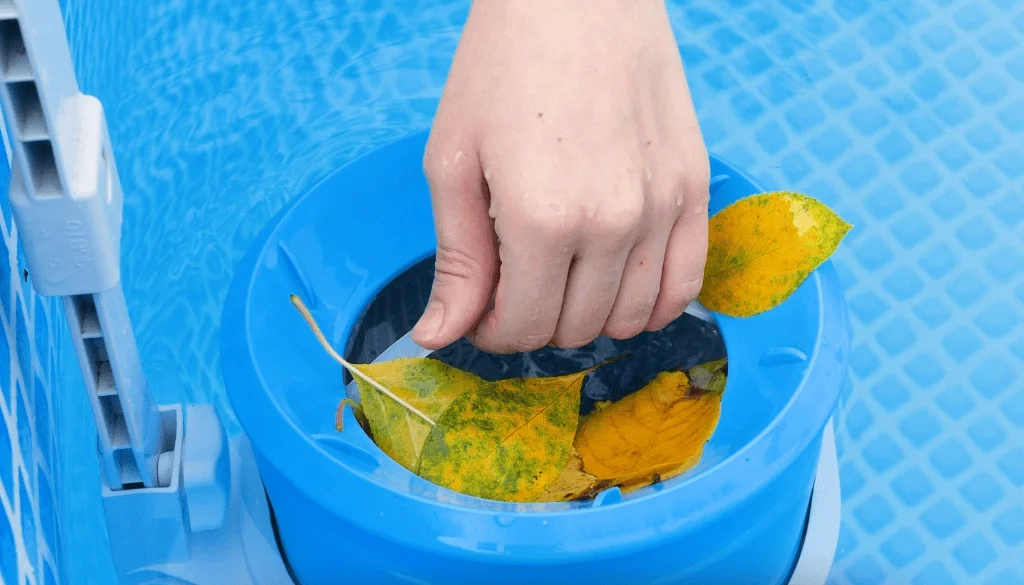
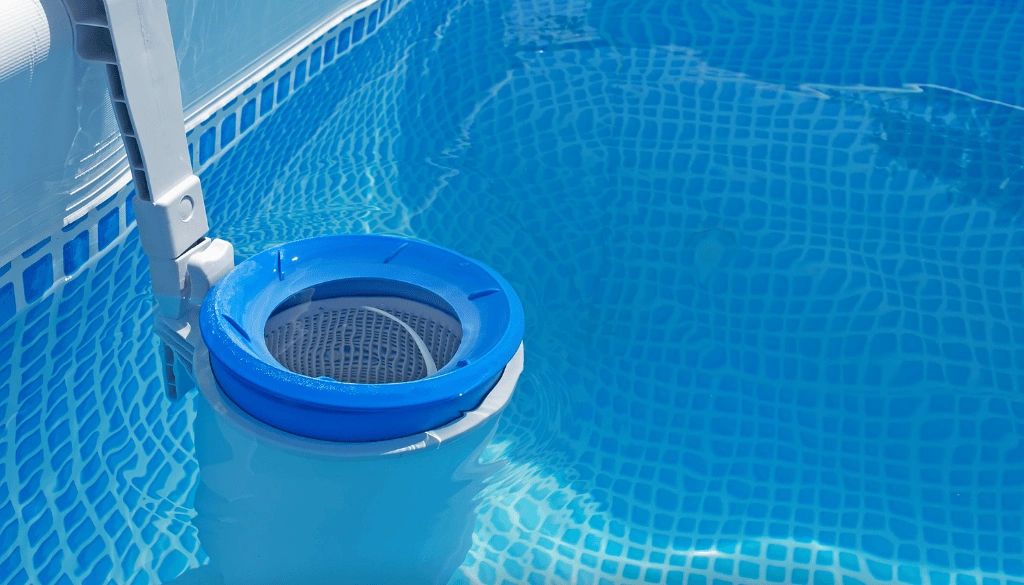
Skimmer baskets are your first line of defense, and small changes here can dramatically reduce how much debris reaches the pump and filter. Skimmer socks can capture fine debris like pollen and small fragments before they break down and clog the filter, while leaf canisters (especially with suction-side cleaners) prevent large debris from reaching the pump basket. These are inexpensive upgrades that often deliver outsized results in high-debris yards.
Pump Basket Habits That Prevent Clogs
The pump basket is the system’s safety net, and keeping it clean protects circulation. When the pump basket is loaded with debris, flow drops quickly, which can lead to poor skimming and weak circulation throughout the pool. A consistent habit of checking and clearing baskets during heavy debris periods helps maintain steady flow and reduces the load on your filter, extending time between major cleanings.
Inline Strainers And Pre-Filters For Extreme Debris
For pools that constantly swallow leaves and fine debris, inline strainers and specialty pre-filters can be game-changers. These devices add a dedicated capture stage before the filter, which means the filter receives less heavy material and is free to focus on polishing the water. While not every pool needs this, it’s a strong option when debris volume is extreme or when you want to minimize filter cleaning frequency during peak season.
When A Second Skimmer Or Improved Returns Helps
Sometimes the issue isn’t only filtration—it’s how well debris is collected before it sinks or breaks apart. Better skimming (through improved circulation patterns, return direction, or additional collection points) can reduce how much debris ends up in the filter in the first place. When debris constantly accumulates in dead spots, improving circulation and surface movement can be just as important as upgrading the filter tank.
Pump And Flow: Avoiding The Most Common Setup Mistakes
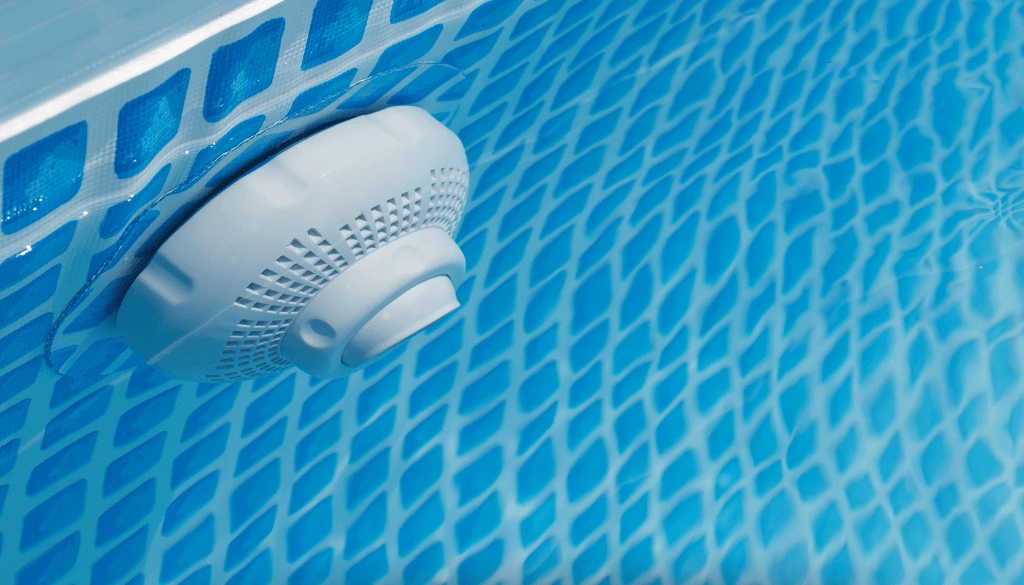
Even a great filter can struggle if flow is poorly managed. Too much flow can force particles through media, reduce contact time, and spike pressure quickly, while too little flow can weaken skimming and leave debris circulating. The best “heavy debris” system is built for stable, efficient flow that supports filtration and surface cleanup.
Why Flow Rate Can Hurt Filtration If It’s Too High
A common misconception is that higher speed always equals cleaner water, but filtration works best when water moves through the filter at a rate that allows particles to be captured. If the pump is oversized or run too fast, debris can load the filter unevenly, pressure rises rapidly, and you may see dirt return to the pool. Efficient flow supports clearer water and often reduces the need for constant cleaning.
Variable-Speed Pumps And Why They Pair Well With Oversized Filters
Variable-speed pumps are effective because they allow longer run times at lower speeds, which can improve filtration consistency and skimming while using less energy compared to running high speed all day. Pairing a variable-speed pump with an oversized filter often gives the best of both worlds: steady circulation, slower pressure rise, and easier maintenance. This combination is especially useful for high-debris pools that need more hours of circulation.
Backpressure, Plumbing Size, And Restriction Issues
Restrictions in plumbing—tight turns, undersized lines, partially closed valves, or clogged baskets—can raise pressure and reduce real circulation. When pressure is high, it doesn’t always mean the filter is “doing great”; it often means the system is fighting resistance. A healthy setup has balanced flow where the filter runs in a stable pressure range and the returns feel consistent, even during high debris weeks.
Pressure Gauge Basics: How To Know When It’s Time To Clean
Your pressure gauge is one of the most useful diagnostics tools you have, especially for heavy debris pools. Pressure tells you how hard water is working to pass through the filter, and changes in pressure often point to clogging, flow restrictions, or even suction-side problems. Learning a simple baseline routine makes maintenance predictable instead of reactive.
Setting Your “Clean PSI” Baseline
After a thorough filter cleaning (or backwash for sand/DE), the pressure reading becomes your “clean baseline.” From there, most manufacturers and pool professionals commonly recommend cleaning when pressure rises about 20–25% above that baseline. This approach is more reliable than cleaning on a random schedule, because heavy debris weeks will naturally require more frequent attention than calm, low-debris periods.
What A Fast Pressure Rise Usually Means
If your pressure climbs rapidly after cleaning, the system is usually catching a lot of debris—or it’s undersized for the conditions. It can also signal that fine debris like pollen is loading the filter quickly, especially when skimmer socks or pre-filtration aren’t being used. A fast rise isn’t automatically “bad,” but it does mean you need either better pre-capture, a bigger filter, or smarter flow management.
When Low Pressure Signals A Different Problem
Low pressure can indicate a restriction before the pump, an air leak, a clogged skimmer line, or a basket blockage starving the pump of water. It can also show up when the water level is too low for proper skimming. Because low pressure is often a circulation issue rather than a filtration issue, it’s important not to assume the filter is the problem when the gauge drops below normal.
Pro Tip: After cleaning, write your clean PSI on the filter tank (or inside the equipment lid) with a paint pen. That one number makes it much easier to spot problems early, because you’ll immediately notice if “clean” pressure starts creeping up over time, which can point to hidden restrictions, incorrect valve positions, or a filter that’s gradually clogging faster than it should.
Maintenance Schedule For Pools With Heavy Debris
A high-debris pool needs a maintenance rhythm that prevents small issues from turning into cloudy water or equipment strain. The best schedule is one that focuses on baskets, skimming, and smart cleaning timing rather than constantly tearing down the filter. When you keep debris from reaching the filter, everything else becomes easier.
Weekly Tasks That Prevent Big Problems
A simple weekly routine keeps flow steady and reduces how quickly the filter clogs. The goal is to remove debris before it breaks down into fine particles that are harder for any system to capture efficiently. During peak debris weeks, these tasks may need to be done more than once, but the time investment is usually smaller than repeated filter deep cleans.
- Empty skimmer baskets and pump basket consistently
- Brush and skim to prevent debris breakdown
- Vacuum as needed to remove settled material
- Check pressure gauge and note changes
- Inspect return flow for consistency
Cartridge Cleaning Frequency And Best Practices
Cartridge filters are typically cleaned when the pressure rise indicates loading, and cleaning should be thorough enough to remove trapped debris between pleats. A simple rinse works for many cleanings, while occasional deep cleaning may be necessary when oils and fine contaminants build up. With heavy debris, an oversized cartridge filter plus strong pre-filtration often reduces how often you need to remove and rinse cartridges.
Sand Filter Backwashing Frequency And Media Care
Sand filters are commonly backwashed when pressure rises from the clean baseline, and backwashing should be long enough to flush out debris effectively without wasting water. Over time, sand can wear or become less effective if it channels or clumps, which reduces filtration performance. If your pool is high debris, consistent backwashing and proper circulation help prevent channeling and keep filtration performance stable across the season.
DE Cleaning And Recharge Tips
DE filters require correct recharging after backwashing or service, because the DE powder is what provides the fine filtration layer. If too little DE is used, filtration performance can drop; if too much is used, pressure may rise quickly. Heavy debris can load DE systems faster, so many owners benefit most when DE filtration is paired with excellent skimming and pre-capture to prevent rapid clogging.
Filter Type Comparison For Heavy Use And High Debris
| Filter Type | Typical Filtration Fineness | Best For | Common Tradeoff In High Debris |
|---|---|---|---|
| Cartridge | Fine filtration (often ~10–15 microns, varies by model) | Easy ownership, strong clarity, no backwash | Needs periodic hands-on cleaning |
| Sand | Moderate filtration (often ~20–40 microns, varies) | Simple operation, tolerates heavy debris | May not “polish” as finely without optimization |
| DE | Very fine filtration (often ~2–5 microns, varies) | Highest clarity potential | More steps: cleaning grids and recharging DE |
Troubleshooting: When Clear Water Still Isn’t Happening
Sometimes the system is “running,” yet the water stays dull or debris keeps returning. In those cases, the problem may be circulation patterns, bypass issues, or chemistry interacting with filtration. Filtration is only one part of the clarity equation, so troubleshooting should be methodical instead of guessing and swapping parts.
Cloudy Water Causes That Aren’t Just The Filter
Cloudiness can come from fine particles, algae beginnings, high swimmer load contaminants, or chemistry imbalance that causes particles to stay suspended. Even a strong filter can struggle if the water chemistry is off or if circulation is inconsistent.
The most reliable path is to confirm circulation first, then check filter performance, and ensure chemistry is maintained so the filter isn’t being asked to solve a chemistry problem.
Short Cycling, Bypass, And Multiport Valve Issues
If water is bypassing the filter due to valve problems, damaged internal parts, or incorrect settings, debris can return to the pool quickly. Multiport valves on sand and some DE systems must be set correctly, and worn spider gaskets or internal issues can cause unwanted bypass.
If you see debris blowing back through returns soon after cleaning, it’s a strong signal to inspect the valve and internal components.
Air Leaks, Suction Problems, And Dirty Water Returning
Air in the pump lid, inconsistent prime, or bubbles from returns can indicate suction-side air leaks, which reduce effective circulation and filtration. Dirty water returning can also point to damaged grids (DE), torn cartridges, or internal sand filter issues.
Because these problems can mimic “bad filtration,” it’s important to diagnose the exact cause before replacing equipment that may still be functional.
Custom Pool Filter Solutions In Sterling, VA
Every pool behaves differently based on landscaping, nearby trees, swimmer load, and equipment layout. In Sterling, VA, seasonal pollen and storms can create weeks where debris load spikes, so a “one-size” system often ends up feeling underpowered.
A custom approach focuses on capturing debris early, maintaining stable flow, and choosing a filter size that matches real conditions, not average conditions.
What We Look At During A Filtration Assessment
At Residential Pool Service LLC, a practical assessment starts with how your pool collects debris and how your system behaves across a normal week.
We look at pressure behavior, basket loading, return strength, and the overall equipment match between pump, filter, and plumbing. The goal is to recommend changes that reduce maintenance and improve clarity without pushing unnecessary upgrades.
Recommended Upgrade Paths: Budget To Best-In-Class
A budget-friendly path might include skimmer socks, improved basket routines, and correcting flow issues, while higher-end upgrades often include an oversized cartridge filter and variable-speed pump strategies.
In very heavy debris yards, adding pre-filtration or improving circulation patterns can make a noticeable difference. The best upgrade is the one that targets your bottleneck—whether that’s skimming, filter capacity, or flow stability.
When Repair Makes Sense Vs Full Replacement
If the filter tank is sound and the issue is worn internals, grids, cartridges, or valves, repairs can restore performance without full replacement. Replacement becomes the better move when the filter is undersized for the pool’s conditions or when repeated problems make maintenance unrealistic.
The decision should be based on performance trends—pressure rise rate, clarity results, and how often you’re forced into major cleanings.
Key Takeaways And Next Steps
A high-debris pool doesn’t need a complicated system—it needs a well-matched one. The most effective setup typically combines the right filter type for your lifestyle, a properly sized (often oversized) filter capacity, and smart debris capture before debris reaches the filter. When you pair stable flow with consistent basket and pressure routines, you get clearer water with less frustration.
If you need help building the best pool filter setup for heavy use and high debris in Sterling, VA, contact Residential Pool Service LLC to schedule filter maintenance, repair, or replacement. We’ll help you dial in a solution that matches your pool, your yard, and how you actually use your pool.



