
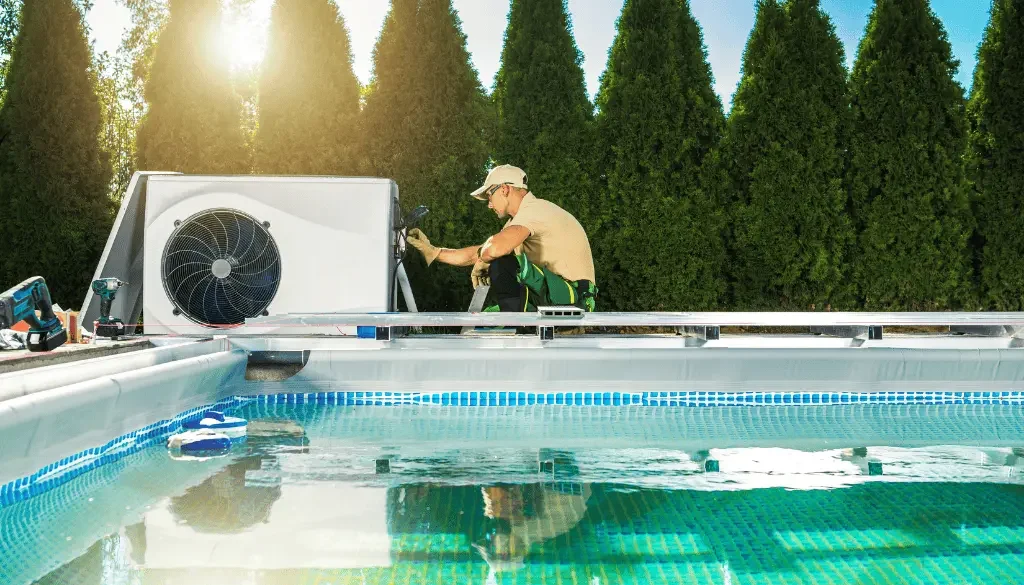
DIY Pool Heater Repairs vs. Professional Service: What’s the Smarter Choice?
A pool heater isn’t just about warm water—it’s about comfort, extending your swimming season, and protecting your investment. But when that heater starts making strange noises or fails to keep the water at the right temperature, homeowners face a decision.
“Should you attempt a DIY repair, or is it smarter to call in a professional?”
While fixing things yourself might seem like a way to save money, pool heaters involve complex systems where small mistakes can lead to bigger costs down the road.
Key Takeaways
-
Regular cleaning ensures safer swimming conditions.
-
Vacuuming reduces strain on pool equipment.
-
Pressure washing prevents slippery deck hazards.
-
Professional service saves money long-term.
-
Customized schedules keep pools clean year-round.
What are Pool Heater Systems?
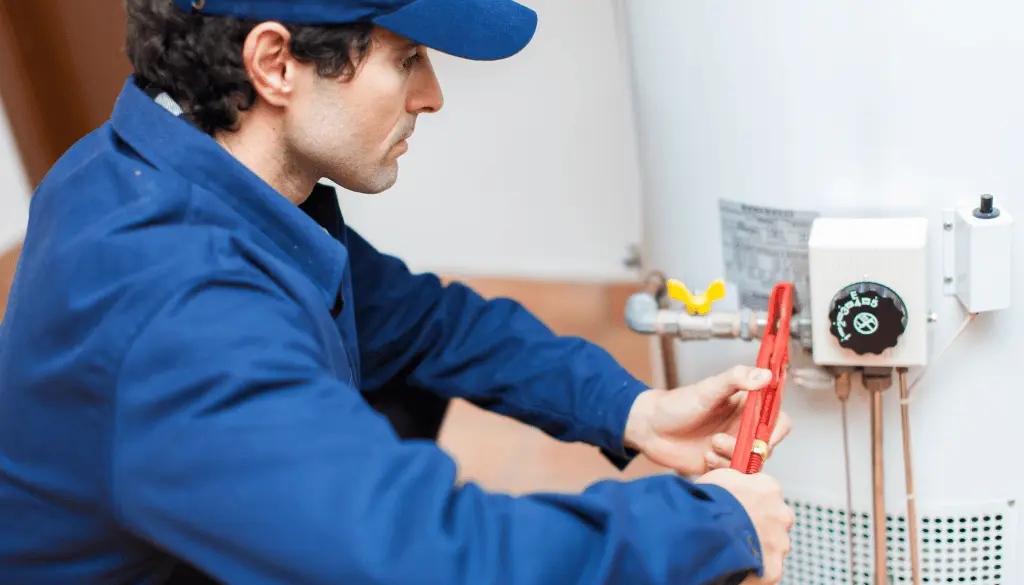
At first glance, a pool heater may look simple. In reality, it’s a combination of systems working in sync: a thermostat to regulate temperature, a heat exchanger to transfer energy, and plumbing and electrical connections to keep water flowing and power steady.
There are also several types—gas, propane, electric resistance, solar, and heat pumps—each with unique repair requirements. A misstep with any of these components can cause damage that spreads to the rest of your pool system.
The Appeal of DIY Repairs
For many homeowners, the idea of fixing a pool heater on their own has obvious appeal. It promises cost savings, avoids scheduling a service visit, and provides a sense of accomplishment.
In fact, there are a few tasks you can safely try at home:
- Checking thermostat settings
- Cleaning leaves or debris around the unit
- Resetting a tripped breaker
- Inspecting for obvious blockages in vents
These quick checks sometimes solve the problem without professional help.
The Risks of DIY Pool Heater Repairs
But DIY has a serious downside. Pool heaters deal with high-voltage electricity, plumbing pressure, and in many cases, combustible gas. A small mistake can put your safety at risk.
Other hidden risks include:
- Accidentally voiding your warranty by attempting your own repair
- Misdiagnosing a problem and replacing the wrong part
- Turning a minor issue into a costly breakdown
When it comes to expensive equipment like heaters, saving money upfront often leads to higher costs later.
Why Professional Service Matters
Hiring a qualified technician isn’t just about convenience—it’s about long-term reliability. Professionals bring diagnostic tools, manufacturer-approved parts, and years of experience to the job. They can quickly identify whether the issue is electrical, mechanical, or plumbing-related and make repairs that last.
More importantly, they ensure repairs are completed safely. With a professional, you avoid the risks of electrical shocks, gas leaks, or plumbing failures. The result is peace of mind and a heater that runs efficiently throughout the season.
Cost Comparison: DIY vs. Professional Repairs
| Factor | DIY Repairs | Professional Service |
|---|---|---|
| Upfront cost | Low or minimal | Service call fee |
| Risk of mistakes | High | Low |
| Time investment | Hours of trial and error | Usually resolved efficiently |
| Long-term savings | Uncertain, may cost more later | Reliable, extends lifespan |
| Safety level | Questionable | Guaranteed by licensed technician |
The table makes it clear: while DIY may save money today, professional service almost always wins in the long run.
When DIY Makes Sense (and When It Doesn’t)

Some simple maintenance tasks belong in the homeowner’s toolbox: cleaning filters, clearing debris from heater vents, checking thermostat settings, or flipping the breaker back on.
But if your heater makes unusual noises, leaks water, shuts down repeatedly, or leaves your pool lukewarm, it’s time to call a professional. These are signs of deeper electrical, mechanical, or plumbing issues that shouldn’t be handled without training.
Benefits of Preventive Maintenance
Regular maintenance—whether DIY cleaning or professional inspection—is the best way to avoid costly emergencies. Preventive service:
- Extends the life of your heater
- Improves energy efficiency
- Reduces repair bills
- Keeps swimming seasons uninterrupted
Conclusion: What’s the Smarter Choice?
DIY pool heater repairs may be tempting, but they’re usually more risk than reward. While homeowners can handle small tasks like clearing debris or adjusting settings, anything beyond basic maintenance is best left to professionals.
A skilled technician not only fixes the immediate problem but also protects your investment, improves efficiency, and keeps your family safe.
👉 Contact Residential Pool Service LLC today for professional pool heater installation, repair, and maintenance in Sterling, VA. Our experienced team will make sure your pool stays warm, efficient, and ready whenever you are.



