

Emergency vs Routine Pool Repair: Know the Difference
A pool problem can feel urgent the moment you notice it—but not every issue requires an emergency response. Knowing the difference between emergency and routine pool repair can save you money, protect your equipment, and prevent unnecessary downtime, especially for homeowners in Sterling, VA.
“So how do you tell whether you’re dealing with a true pool emergency or something that can wait for a scheduled visit?”
In this guide, we’ll break down the warning signs, the risks of waiting too long, and the situations where fast action can prevent water damage, health hazards, or costly system failure.
Key Takeaways
- Emergencies involve safety, rapid deterioration risks.
- Rapid water loss signals urgent leaks.
- Circulation failures quickly worsen water quality.
- Routine issues allow scheduled professional service.
- Use checklist to decide response today.

Why This Difference Matters For Sterling, VA Pool Owners
In Northern Virginia, pools face strong seasonal shifts, heavy summer use, and occasional storm stress that can reveal hidden weaknesses. When you misclassify a true emergency as “routine,” you risk bigger repair bills, water damage around the pool, and equipment strain that spreads to other components. On the other hand, treating a routine issue like an emergency can lead to avoidable rush fees and stress without meaningful benefit.
The goal isn’t to panic or downplay issues. It’s to make a sensible call based on risk and timeline. The best pool owners aren’t the ones who never have problems—they’re the ones who catch the right problems early. When you understand how circulation, filtration, and water integrity connect, you’ll notice which symptoms demand immediate help and which allow for a scheduled service visit.
What Qualifies As An Emergency Pool Repair?
A pool emergency typically involves immediate safety concerns, fast-moving water loss, or a system failure that can cause rapid water quality decline. These issues don’t just inconvenience you—they can create property damage or health risks in a short window. The difference between a same-day fix and waiting a week can sometimes be the difference between a small repair and a major recovery.
Emergencies often share three traits: they worsen quickly, they affect core pool systems, and they pose a meaningful risk if ignored. A large leak, a complete pump failure in peak season, or signs of contamination fall into this category. If a problem threatens structural integrity, prevents proper filtration, or creates unsafe swim conditions, it’s reasonable to treat it as urgent.
The 3 Core Emergency Categories
Pool emergencies usually land in one of three buckets. Each one is tied to issues that can escalate quickly and cause safety risks, expensive damage, or major water-quality breakdowns if you wait too long. The key is recognizing which system is failing and how fast the symptoms are worsening.
- Water-Loss Threats: Leaks that drop the water level rapidly, cause unexplained daily loss, or saturate soil around the pool. These can lead to structural damage, higher repair costs, and potential property impact if the leak is underground or expanding.
- Circulation Failures: Pump or motor problems that stop water movement or severely reduce flow. Without proper circulation, sanitizer becomes less effective, algae risk rises fast, and water can turn unsafe in warm weather.
- Water-Quality Hazards: Conditions that make swimming unsafe, such as severe cloudiness, strong algae blooms, or contamination concerns—especially when paired with filtration or circulation issues that prevent the pool from recovering normally.
Even with these categories, context matters. A minor drip at a fitting may not be urgent if the water level stays stable and circulation remains strong. But the same drip can shift into emergency territory if it’s linked to pressure issues, widening cracks, or suspected underground leakage. Watching the trend—how quickly the symptoms intensify—is often your best clue for deciding between emergency and routine service.
Common Emergency Pool Problems In Sterling, VA
Emergency issues tend to be linked to the systems that keep pools safe and stable. In a busy summer week, a single day of lost circulation can accelerate algae growth and push chemicals out of balance. Likewise, sudden water loss can strain the pump, expose skimmers to air, and create structural stress. Recognizing these patterns early helps you seek help before the damage multiplies.
Sterling-area homeowners also need to consider how storms, heat waves, and high-usage weekends impact equipment. Heavy rain can introduce debris and contaminants that overwhelm filtration. Extended heat can increase chlorine demand and make minor circulation problems more obvious. You don’t need to be a technician to notice warning signs—you just need a clear checklist of what belongs in the “act now” category.
Fast Signs Your Issue Is An Emergency
- Rapid water level drop over 24–48 hours
- Pool area soil becoming unusually soft or wet
- Pump not turning on or shutting off repeatedly
- Strong burning smell, visible sparks, or tripped breakers
- Water turning cloudy or green very quickly
- Suction or circulation suddenly weakening across returns
- Filter pressure behaving erratically with poor clarity
What Counts As Routine Pool Repair?
Routine pool repairs are problems that don’t create immediate safety risks, don’t cause rapid property damage, and don’t compromise essential water sanitation in the short term. These issues still matter, but they typically allow time for a scheduled diagnosis and a planned repair. The payoff of handling them early is real—you avoid escalation—but the clock isn’t ticking in hours.
Routine repairs often involve gradual wear, performance inefficiencies, or cosmetic concerns. You might notice unusual equipment noise, small cracks that appear stable, or minor tile issues. These are often best handled through an organized service appointment rather than an urgent dispatch. A planned approach can also help you bundle repairs and reduce overall cost.
Examples Of Routine Issues
A slow leak that barely changes the water level over several days can be routine, especially if it appears localized and isn’t linked to structural cracking. Noisy pumps that still run consistently may signal bearing wear or suction-side issues worth addressing soon, but not necessarily the same day. Cosmetic updates like tile replacements or surface touch-ups also fall under routine service unless they coincide with sudden structural changes.
Routine doesn’t mean “ignore it.” It means you can schedule an inspection, discuss options, and plan repairs without immediate danger. A calm response combined with clear documentation often leads to better outcomes. The next section will help you draw this line quickly with a simple decision framework.
Emergency Vs Routine: A Simple Decision Checklist
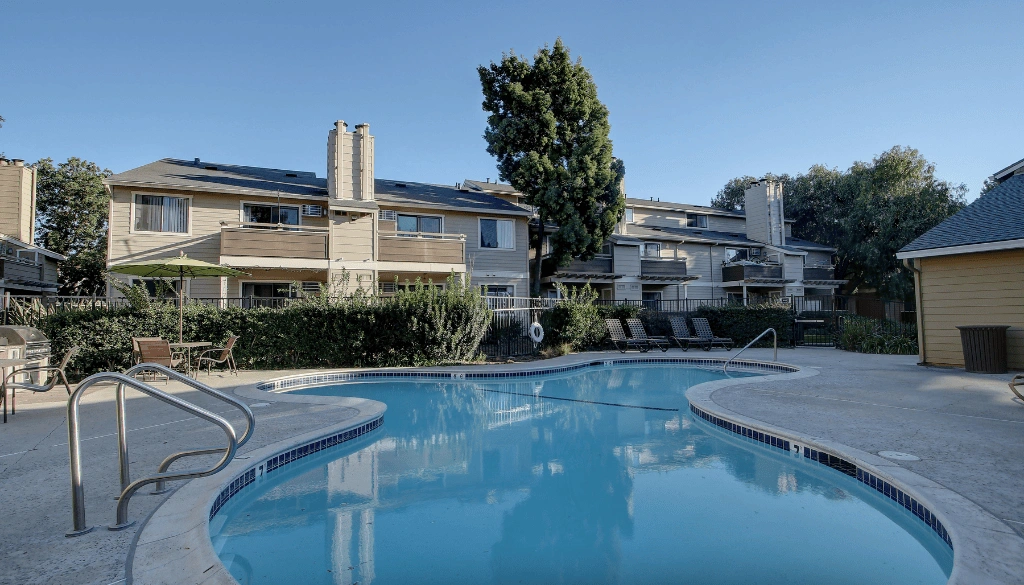
The most reliable way to classify a pool issue is to check three factors: safety, speed, and system impact. If the problem involves electrical hazards, broken suction components, or signs of contamination, treat it as urgent. If the issue is changing rapidly—like fast water loss or sudden circulation collapse—consider emergency service. If the problem is stable and limited, a routine visit is often appropriate.
When you’re unsure, focus on what’s happening right now versus what might happen weeks later. Emergencies are defined by near-term consequences. Routine issues are defined by manageable risk over a short waiting period. This approach helps you avoid both extremes: waiting too long for something urgent or panicking over something that can be scheduled.
Emergency Vs Routine Comparison Table
| Factor | Emergency Repair | Routine Repair |
|---|---|---|
| Risk Level | Immediate safety or property risk | Low short-term risk |
| Speed Of Worsening | Hours to a few days | Gradual over weeks |
| Water Loss | Rapid or unexplained drops | Slow, predictable loss |
| Circulation Impact | Pump/motor failure or severe flow loss | Reduced efficiency or noise |
| Water Quality | Fast decline to unsafe clarity/sanitation | Mild imbalance with stable systems |
| Best Response | Same-day assessment | Schedule service visit |
Emergency Vs Routine Quick Checklist
- Is there a safety hazard (electrical, suction, broken components)?
- Is water dropping fast enough to expose skimmers or damage equipment?
- Has circulation stopped completely or become dangerously weak?
- Is water clarity declining rapidly despite normal chemical care?
- Is the issue stable, small, and not changing day to day?
Pro Tip: If you suspect a leak, mark the waterline with tape and take a photo at the same time each day for two days. This simple documentation helps technicians confirm the rate of loss and can quickly distinguish evaporation from a true leak, especially during hot, windy Sterling summers.
What Happens During An Emergency Repair Visit
Emergency repair typically begins with phone triage, where you describe symptoms such as water loss rate, equipment behavior, and visible damage. This step is important because some urgent issues require you to shut off power or stop the pump immediately to avoid worsening the problem. Clear details help the repair team arrive prepared with the right diagnostic tools and likely replacement parts.
On-site, the priority is to identify the root cause quickly and stabilize the system. That might mean isolating a leak, restoring basic circulation, or addressing a filter issue that is preventing safe water conditions. Technicians often test system pressure, inspect equipment seals and connections, clean or check filtration components, and verify that repairs restore normal operation before concluding the visit.
The Real Cost Of Waiting Too Long
Delaying a true emergency often creates a chain reaction. A fast leak can undermine soil support, increase structural stress, and cause additional cracks. Low water levels can cause pumps to run dry, which may damage seals and internal components. What started as a single repair can expand into multiple equipment replacements plus water and chemical costs.
Water quality issues follow a similar pattern. Without adequate circulation and filtration, sanitizer becomes less effective and algae can take hold quickly in warm conditions. Fixing a severe bloom often requires extra chemicals, extended cleaning, and more downtime. The short-term inconvenience of urgent service may be far less expensive than the long recovery from a neglected emergency.
Prevention Tips To Reduce Emergency Repairs
The best way to reduce emergency calls is to pay attention to early signals of change. Small drips, mild pressure shifts, or unusual equipment sounds often give you a warning window. Routine maintenance—such as checking baskets, monitoring filter pressure, and scheduling seasonal inspections—helps prevent small issues from becoming urgent breakdowns.
In Sterling, VA, proactive care during opening season and before peak summer heat can be especially valuable. Confirming that pumps prime properly, valves move smoothly, and filtration is performing well reduces the chance of sudden mid-season failure. Prevention doesn’t remove all risk, but it significantly lowers the odds of surprise damage and expensive same-day fixes.
When To Contact A Professional In Sterling, VA
When you notice fast water loss, complete circulation stoppage, or signs of unsafe water conditions, contacting a professional promptly is the safest course. These issues are time-sensitive and can worsen quickly. If there is any electrical concern—such as repeated breaker trips or burning smells—stop using the system and treat it as an urgent safety issue.
For stable concerns like minor cosmetic damage, slow wear, or small performance declines, a scheduled repair is usually appropriate. Keeping notes on what you see, when it started, and how it changes over time can help your technician diagnose faster. The best outcomes often come from pairing calm decision-making with early, well-documented action.
Conclusion
Knowing the difference between emergency and routine pool repair comes down to risk, speed, and consequences. Emergencies involve immediate hazards, fast water loss, or critical equipment failures that can damage property or create unsafe swim conditions. Routine repairs are important but typically stable enough for scheduled service.
If your pool in Sterling shows fast water loss, pump failure, or sudden unsafe water, don’t wait. Residential Pool Services LLC provides responsive emergency diagnostics and expert repairs to stabilize your system and prevent bigger costs. For non-urgent issues, we’ll schedule a thorough evaluation and plan smart, long-term fixes today.



