
Gas Vs Electric Pool Heaters: What Homeowners Should Know Today
Choosing between gas and electric pool heaters can affect your comfort, monthly energy costs, and how often you use your pool throughout the year. Gas heaters are known for fast heating, while electric heat pumps are often valued for steady efficiency in the right conditions.
“But which option makes more sense for your pool, your budget, and your swimming habits?”
For homeowners in Sterling, VA, understanding the difference can help prevent poor equipment choices, uneven water temperatures, and higher long-term operating costs.
Residential Pool Service LLC helps homeowners make smarter decisions about pool heater installation and repair. The right heater should match the pool size, outdoor conditions, desired swim season, and how often the pool is used.
Key Takeaways
- Gas heaters provide faster pool heating.
- Electric heaters maintain steady temperatures efficiently.
- Pool usage determines the best heater.
- Repairs prevent higher long-term operating costs.
- Professional installation protects safety and performance.
What Is A Gas Pool Heater?
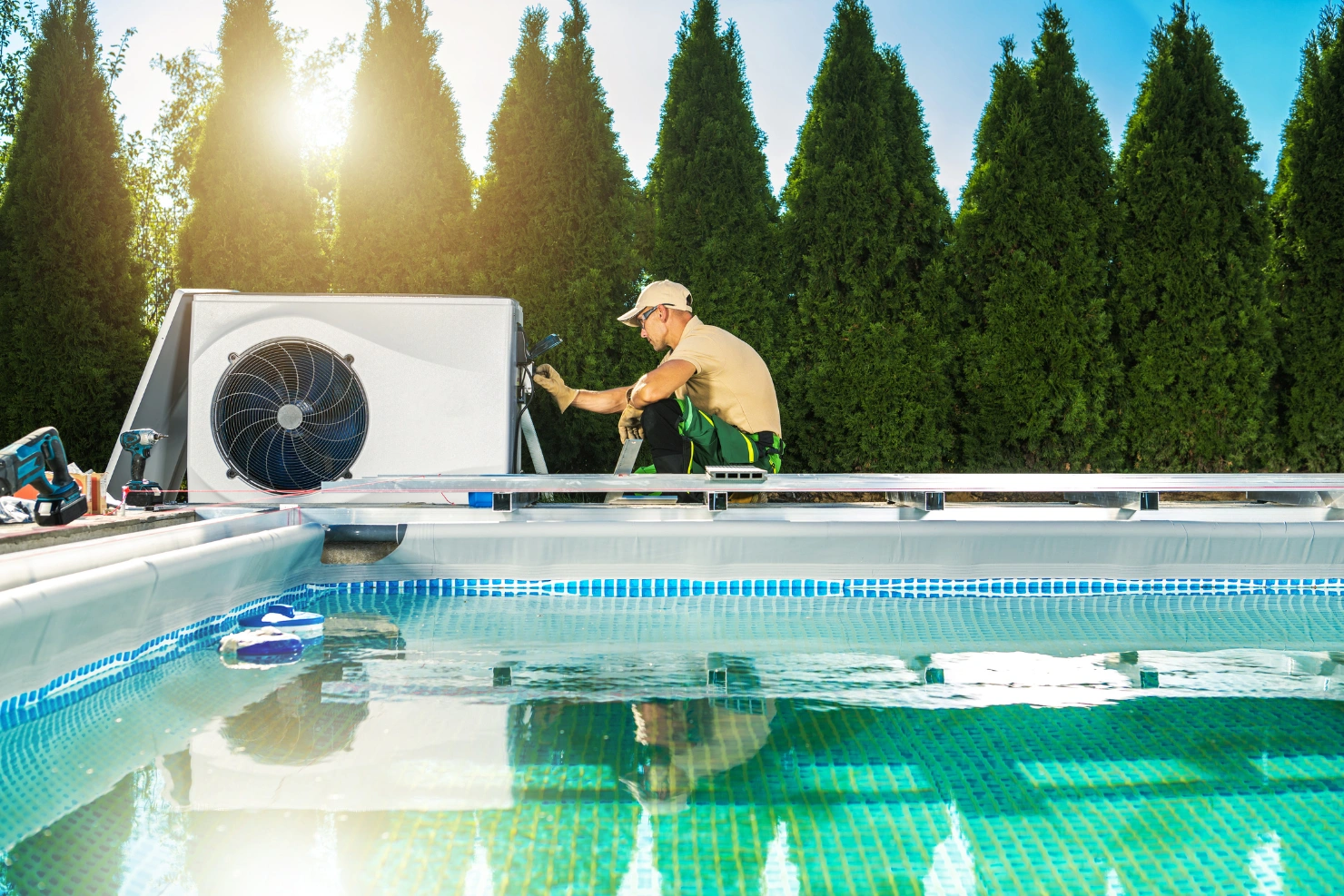
A gas pool heater uses natural gas or propane to warm pool water. It pulls water from the pool, sends it through the heater, warms it with a combustion chamber and heat exchanger, then returns the heated water back to the pool.
Gas heaters are popular because they heat water quickly. This makes them useful for homeowners who do not use the pool every day but want warm water on demand.
Fast Heat Recovery
Gas heaters can raise pool water temperature faster than most electric heat pumps. This is helpful when the pool loses heat overnight or after several cooler days.
They are also useful when homeowners want to heat the pool shortly before a weekend, party, or evening swim. The faster recovery time is one of the main reasons many pool owners still choose gas heating.
Cooler Weather Use
Gas heaters do not depend on warm outdoor air to create heat. They burn fuel directly, so they can continue heating in cooler spring and fall conditions.
This matters in Sterling, VA, where pool owners may want to extend swimming beyond the hottest summer months. A gas heater can be a practical choice when fast heating is more important than steady daily efficiency.
What Is An Electric Pool Heater?
An electric pool heater is usually an electric heat pump. Unlike a basic electric resistance heater, a pool heat pump does not create heat directly. It pulls heat from the surrounding air and transfers it into the pool water.
This process makes heat pumps energy efficient in the right conditions. They work best when outdoor air temperatures are warm enough for the system to collect heat effectively.
Steady Temperature Control
Electric heat pumps are best for homeowners who use their pool often and want to maintain a consistent water temperature. They usually take longer to heat the pool at first, but they can be efficient once the desired temperature is reached.
This makes them a strong option for regular swimmers. They are often more efficient when the pool is kept warm over time instead of heated quickly from a lower temperature.
Warm Weather Performance
Heat pumps depend on outside air temperature. When the air is mild or warm, the system can move heat efficiently into the pool water.
During colder weather, performance can drop because there is less heat available in the air. That does not mean heat pumps are poor systems, but it does mean climate and usage patterns matter before choosing one.
Gas Vs Electric Pool Heaters: Key Differences
Gas and electric pool heaters both warm pool water, but they do it in very different ways. One focuses on fast heating. The other focuses on steady energy use in suitable weather.
The best choice depends on how you use your pool. A homeowner who swims occasionally may need a different system than a family that wants warm water every day.
| Factor | Gas Pool Heater | Electric Pool Heater |
|---|---|---|
| Energy Source | Natural gas or propane | Electricity |
| Heating Speed | Heats water faster | Heats water more slowly |
| Best Use | Occasional or on-demand heating | Regular use and steady temperature |
| Cooler Weather Performance | Performs well in cooler conditions | Less efficient when air is cold |
| Operating Cost | Often higher with frequent use | Often lower during regular use |
| Installation Needs | Gas line, ventilation, proper clearance | Electrical supply, airflow, proper placement |
| Maintenance Focus | Burners, ignition, gas supply, heat exchanger | Coils, fan, refrigerant system, electrical components |
This comparison shows why there is no single best heater for every pool. A heater that works well for one home may be the wrong fit for another.
Which Pool Heater Is More Energy Efficient?
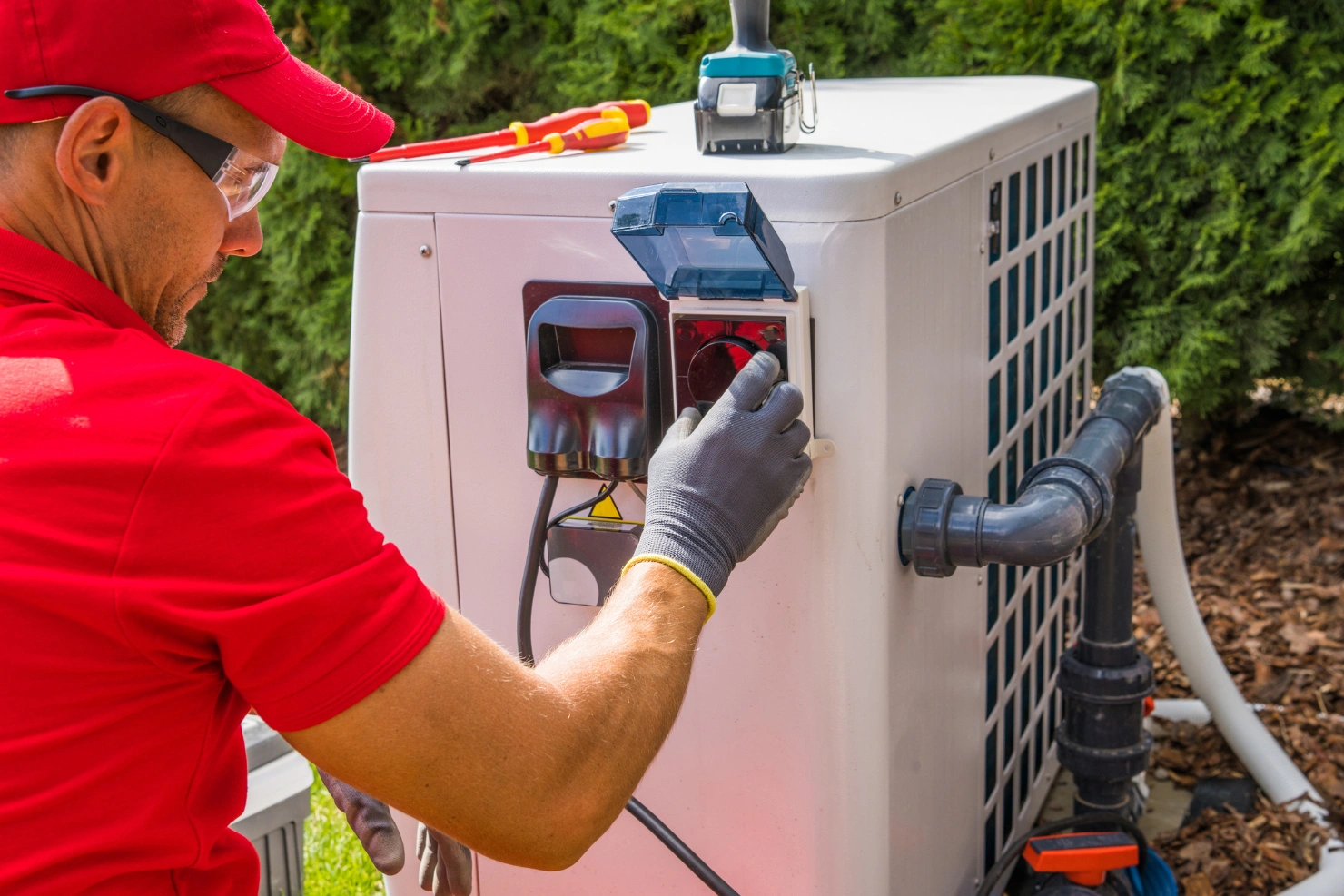
Energy efficiency depends on how the heater works and how the pool is used. Electric heat pumps are often more energy efficient during steady use because they transfer heat instead of producing it directly.
Gas heaters usually consume more energy because they create heat by burning fuel. They can still be the better option when fast heating is needed for short periods.
Pool covers also affect efficiency. A pool loses a large amount of heat through the surface, especially overnight. Using a pool cover can help either heater type work less and maintain water temperature longer.
Which Pool Heater Costs More To Run?
Operating cost depends on local utility rates, heater size, pool size, weather, and usage habits. Gas heaters often cost more to run when used frequently because they burn natural gas or propane each time they operate.
Electric heat pumps may cost less during regular use because they are built for steady temperature maintenance. They are not always the cheapest choice upfront, but they can provide better long-term efficiency for the right pool.
Homeowners should avoid judging cost by equipment price alone. A lower purchase price can still lead to higher monthly costs if the heater does not match the way the pool is used.
Which Pool Heater Heats Water Faster?
Gas pool heaters usually heat pool water faster than electric heat pumps. This is one of their strongest advantages.
Fast heating is helpful when the pool is used occasionally. For example, a homeowner may want to warm the pool for guests, weekend use, or a short swimming window after work.
Electric heat pumps are slower because they transfer heat from the air. They are better suited for maintaining warmth once the pool is already close to the desired temperature.
Which Heater Works Better In Sterling, VA?
Sterling, VA, has warm summers, cooler spring and fall periods, and changing overnight temperatures. That seasonal pattern can influence heater performance.
Gas heaters may be helpful for homeowners who want quick heating during cooler months or occasional use. They can support a longer swimming season because they are less dependent on warm air.
Electric heat pumps may be a smart choice for homeowners who use the pool often during warmer months. They can maintain comfortable water temperatures efficiently when outdoor conditions are favorable.
The right choice depends on the household. Residential Pool Service LLC can evaluate the pool, heater location, energy setup, and heating goals before recommending an installation or repair plan.
Common Pool Heater Problems Homeowners Should Watch For
Pool heaters often show warning signs before they stop working completely. Catching these signs early can help prevent bigger repairs and poor heating performance.
Common pool heater problems include:
- Inconsistent water temperature
- Heater turning on and off repeatedly
- Higher energy bills without increased pool use
- Unusual banging, clicking, or humming noises
- Low water flow through the heater
- Tripped breakers or electrical interruptions
- Ignition failure on gas heaters
- Dirty coils on heat pumps
- Scale buildup inside the heat exchanger
- Rust, corrosion, or visible equipment wear
These problems should not be ignored. A heater that struggles to run may waste energy, stress pool equipment, or fail during the part of the season when it is needed most.
When Pool Heater Repair Makes More Sense
Repair may be the better choice when the heater is not too old and the problem is isolated. Many heater issues can be corrected without replacing the entire system.
A thermostat problem, dirty filter, faulty sensor, clogged line, ignition issue, or loose electrical connection may be repairable. Heat pumps may also need coil cleaning, airflow correction, or electrical diagnosis.
Repair is often worth considering when the heater has been reliable and the repair cost is reasonable compared to replacement. A professional inspection helps confirm whether the unit can still operate safely and efficiently.
When Pool Heater Replacement May Be Better
Replacement may be the smarter option when the heater is old, inefficient, badly corroded, or breaking down repeatedly. Frequent repairs can become more expensive than installing a properly sized new system.
A damaged heat exchanger is one of the more serious problems in a pool heater. Severe corrosion, scaling, or internal leaks may make replacement more practical than repair.
Replacement may also make sense when the current heater no longer fits the pool owner’s needs. A family that now swims more often may benefit from a different heater type than the one originally installed.
How To Choose The Right Pool Heater For Your Home
Choosing a heater should start with how the pool is used. Equipment size, fuel type, installation location, and seasonal goals all matter.
Before choosing between gas and electric, consider:
- Pool size and water volume
- Desired water temperature
- How often the pool is used
- How quickly the pool needs to heat
- Availability of natural gas, propane, or electrical capacity
- Local utility costs
- Outdoor temperature patterns
- Wind exposure and shade around the pool
- Use of a pool cover
- Maintenance expectations
- Plans to extend the swimming season
A heater that is too small may run too long and struggle to keep up. A heater that is poorly matched to the property may waste energy or require expensive installation changes.
Why Professional Installation Matters
Pool heater installation should be handled carefully because the system connects with water flow, electrical power, gas supply, or both. Poor installation can cause safety risks, weak heating, short equipment life, and higher utility costs.
Gas heaters need proper ventilation, gas line sizing, clearances, and safe combustion setup. Electric heat pumps need the correct electrical supply, airflow, drainage, and placement.
Professional installation also includes checking water flow. If the heater does not receive enough flow, it may overheat, shut down, or fail to heat the pool properly. Residential Pool Service LLC installs and services pool heaters with attention to safety, performance, and long-term reliability.
Pro Tip: Before choosing a pool heater, think about how you actually use your pool instead of focusing only on the equipment price.
Final Thoughts
Gas and electric pool heaters both have clear advantages. Gas heaters are often the better choice for fast heating, cooler weather use, and occasional swimming. Electric heat pumps are often better for homeowners who want steady temperature control and improved efficiency during regular use.
The right decision depends on your pool size, budget, energy setup, and swimming habits. It also depends on whether your current heater can be repaired or should be replaced.
Residential Pool Service LLC provides pool heater installation and repair services in Sterling, VA. With the right system and proper service, homeowners can enjoy more comfortable water, better performance, and a longer swimming season.



