
How Expert Chemical Management Prevents Algae Growth
Algae growth can turn a clean, inviting pool into a cloudy, slippery, and frustrating problem faster than many pool owners expect. While regular cleaning helps, algae prevention depends heavily on keeping the right chemical balance in the water.
“So, how does expert chemical management stop algae before it takes over your pool?”
By combining accurate water testing, proper chemical dosing, safe handling, and consistent monitoring, professional pool care helps create water conditions where algae struggle to grow. With expert chemical delivery and management from Residential Pool Service LLC, pool owners can enjoy cleaner, safer, and clearer water without the guesswork of handling chemicals on their own.
Key Takeaways
- Expert chemical management prevents algae growth.
- Balanced water keeps pools safer longer.
- Regular testing catches problems early.
- Proper dosing reduces chemical guesswork.
- Professional delivery supports consistent care.
Why Algae Grows In Swimming Pools
Algae does not usually appear for no reason. It often develops when pool water becomes unbalanced, sanitizer levels drop, or circulation is not strong enough to keep chemicals moving evenly throughout the pool.
Algae spores can enter a pool through wind, rain, leaves, swimsuits, pool toys, and surrounding outdoor debris. Once those spores are in the water, they can grow quickly if the pool conditions allow it.
Common reasons algae grows include:
- Low chlorine or sanitizer levels
- Poor water circulation
- Warm weather and direct sunlight
- High pH levels
- Heavy swimmer use
- Leaves, dirt, and organic debris
- Inconsistent brushing or vacuuming
- Delayed chemical treatment
- Weak filtration or short pump run times
A pool may look fine one day and begin turning cloudy or green the next. This is why algae prevention works best when pool chemistry is managed consistently instead of waiting until there is a visible problem.
The Role Of Chemical Balance In Algae Prevention
Chemical balance is one of the most important parts of keeping algae under control. When pool water is properly balanced, sanitizer can work more effectively and the pool becomes less favorable for algae growth.
Chlorine or another approved sanitizer helps destroy algae spores before they multiply. However, sanitizer alone is not enough if the rest of the water chemistry is out of range. The pH, alkalinity, stabilizer, and calcium hardness all affect how well the pool responds to treatment.
For example, if pH is too high, chlorine becomes less effective. If alkalinity is unstable, pH can swing up and down, making it harder to maintain consistent protection. If stabilizer levels are too low, sunlight can break down chlorine faster in outdoor pools.
Expert chemical management helps keep these levels working together, not against each other.
How Professional Water Testing Helps Prevent Algae
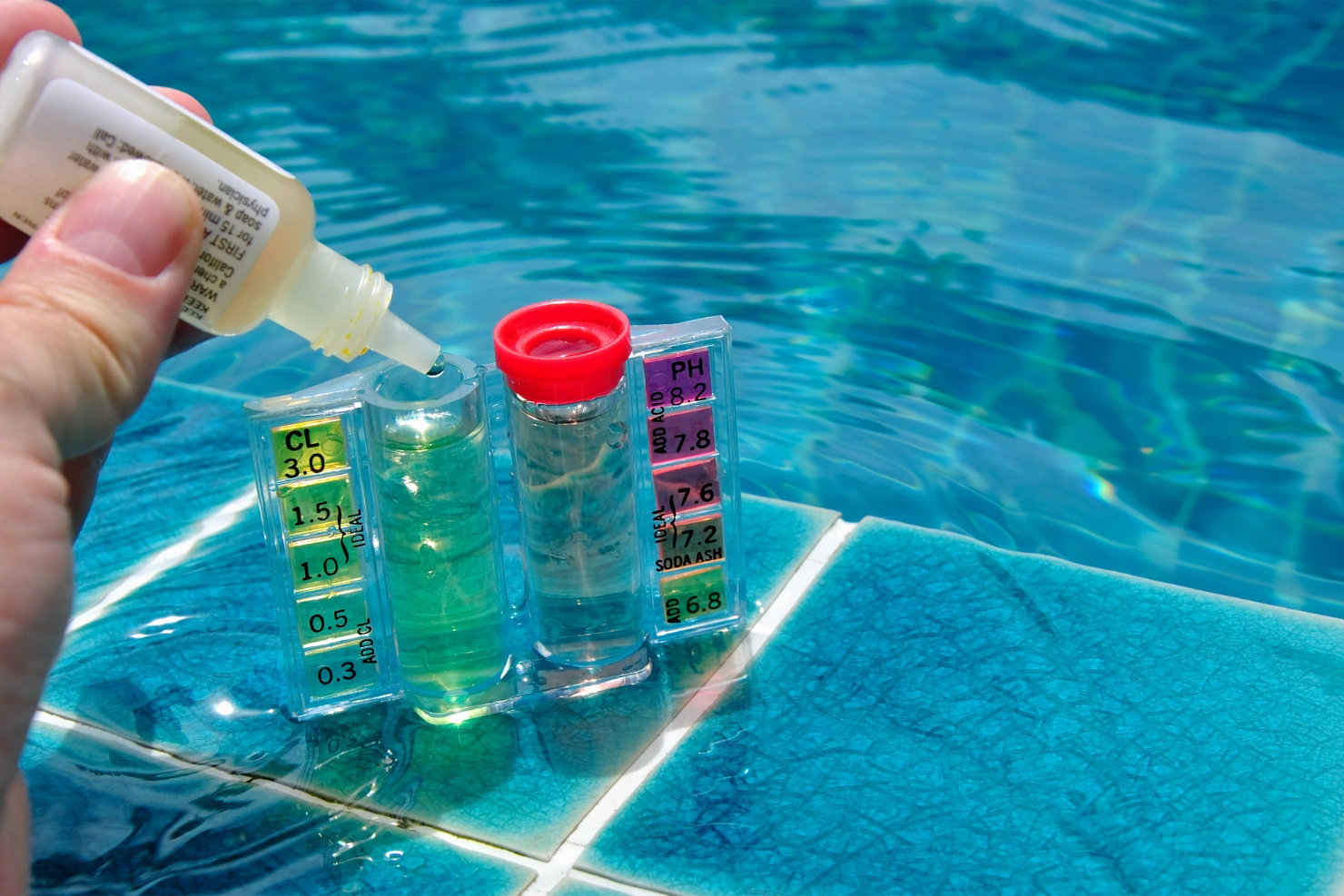
Professional water testing gives pool technicians a clear picture of what is happening in the water. Instead of guessing which chemical to add, experts use test results to make accurate treatment decisions.
Testing is important because pool water can look clear while still being chemically unbalanced. Early testing can reveal small problems before they turn into cloudy water, algae blooms, or unsafe swimming conditions.
Chlorine Levels
Chlorine helps sanitize pool water by killing bacteria and controlling algae spores. When chlorine levels fall too low, algae can begin growing before the pool owner notices a visual change.
Professional testing helps confirm whether the sanitizer level is strong enough for the pool’s size, usage, and current conditions.
pH Balance
pH measures how acidic or basic the water is. If the pH is too high, chlorine becomes less efficient. If the pH is too low, the water can become uncomfortable and potentially harsh on pool surfaces and equipment.
Keeping pH within the proper range helps sanitizer perform better and keeps the water more comfortable for swimmers.
Alkalinity Control
Total alkalinity helps stabilize pH. When alkalinity is too low, pH can fluctuate quickly. When it is too high, pH may become difficult to adjust.
By managing alkalinity properly, pool professionals help keep the water more stable and easier to protect against algae.
Why Correct Chemical Dosing Matters
Correct chemical dosing is essential because pool treatment is not about adding more chemicals at random. It is about adding the right chemical, in the right amount, at the right time.
Too little sanitizer may fail to prevent algae. Too much chemical can cause swimmer discomfort, strong odors, surface issues, or unnecessary waste. Professional dosing is based on important details such as pool size, water volume, water test results, weather, pool usage, and current water condition.
Expert dosing helps prevent:
- Under-treated water
- Over-treated water
- Chemical waste
- Recurring algae problems
- Cloudy or irritating pool water
- Damage from improper chemical use
- Unnecessary maintenance costs
Residential Pool Service LLC uses a more precise approach to chemical management, helping pool owners avoid the common mistake of treating symptoms instead of correcting the actual water balance issue.
How Chemical Delivery Supports Consistent Pool Care
Professional chemical delivery helps make pool care more reliable. When the correct pool chemicals are delivered and managed on schedule, there is less risk of running out of important treatments or delaying maintenance.
Consistency matters because algae often takes advantage of gaps in pool care. A few missed treatments, low sanitizer levels, or delayed testing can create the right environment for algae to spread.
With expert chemical delivery and management, pool owners do not have to worry about buying the wrong product, storing too many chemicals at home, or wondering when to apply treatment. The process is planned, scheduled, and handled professionally.
This is especially helpful during busy swimming seasons when heat, rain, and frequent use can change water chemistry faster than expected.
Expert Application Vs DIY Chemical Guesswork
Many pool owners try to manage chemicals on their own, but DIY care often leads to guesswork. Store-bought test strips and product labels can help, but they do not always provide the full picture of what the pool needs.
Expert chemical management uses testing, experience, and proper application methods to maintain better control over the water. Instead of adding chemicals only after the pool turns green, professionals focus on prevention.
Here is how DIY handling compares with expert chemical management:
| Pool Care Area | DIY Chemical Handling | Expert Chemical Management |
|---|---|---|
| Water Testing | May be inconsistent or limited | Regular, accurate, and service-based |
| Chemical Dosing | Often based on estimates | Based on pool size and test results |
| Algae Prevention | Usually reactive after algae appears | Proactive before algae develops |
| Chemical Selection | Homeowner chooses products | Professionals select proper treatments |
| Chemical Storage | Stored by the homeowner | Handled with safer storage practices |
| Water Balance | Can fluctuate often | More consistent and controlled |
| Problem Solving | May treat symptoms only | Targets the cause of imbalance |
DIY chemical care can work for some pool owners, but it requires time, knowledge, safe handling, and regular monitoring. Professional service helps reduce those burdens while supporting cleaner and more stable water.
Common Conditions That Trigger Algae Growth
Algae usually grows when several small problems happen at the same time. A pool may have slightly low chlorine, a little extra debris, warm water, and poor circulation. Together, those factors can create a perfect environment for algae.
This is why expert chemical management looks at the entire pool, not just one number on a test result.
Common algae triggers include:
- Low Sanitizer: Without enough chlorine or sanitizer, algae spores can multiply quickly.
- High pH: High pH can reduce chlorine effectiveness and make algae prevention harder.
- Poor Circulation: If water is not moving properly, chemicals may not reach every area of the pool.
- Dirty Filters: A clogged or dirty filter can reduce water clarity and circulation.
- Heavy Rain: Rain can dilute chemicals and introduce contaminants.
- Hot Weather: Warm water and sunlight can increase sanitizer demand.
- Organic Debris: Leaves, pollen, and dirt feed algae growth.
- Heavy Usage: More swimmers introduce sweat, sunscreen, oils, and other contaminants.
Professional chemical care helps adjust treatment based on these changing conditions, so the pool remains protected even when the environment changes.
Professional Chemical Management Process
A strong chemical management process follows a clear sequence. It starts with understanding the pool, testing the water, selecting the right treatment, and applying chemicals safely.
Residential Pool Service LLC provides chemical delivery and management designed to make pool care easier, safer, and more consistent.
Water Testing
The process begins with water testing. This helps identify sanitizer levels, pH, alkalinity, and other key factors that affect pool safety and algae prevention.
Testing gives technicians a baseline so they can determine what the water needs instead of relying on guesswork.
Treatment Planning
After testing, a treatment plan is created based on the pool’s condition. The plan may include sanitizer adjustment, pH correction, alkalinity balancing, or other treatments needed to restore proper water balance.
The goal is not only to clear up water problems but to prevent them from returning.
Safe Delivery
Pool chemicals must be handled carefully. They should be transported, unloaded, and stored according to safety guidelines. Chemicals should also be kept away from heat, moisture, direct sunlight, and incompatible substances.
Professional delivery reduces the need for homeowners to transport and store large amounts of pool chemicals themselves.
Precise Application
Once the correct chemicals are selected, they must be applied properly. The amount, timing, and method of application all matter.
Professional application helps ensure that treatments are distributed correctly and that the pool water remains balanced for safe swimming.
Why Regular Monitoring Is Key
Algae prevention is not a one-time task. Pool water changes constantly because of weather, swimmer use, sunlight, debris, and filtration performance.
A pool that was balanced last week may need adjustment today. That is why regular monitoring is one of the most important parts of preventing algae.
Ongoing monitoring helps identify:
- Falling sanitizer levels
- Rising pH
- Cloudy water trends
- Increased chemical demand
- Early signs of algae
- Circulation or filtration concerns
- Seasonal water chemistry changes
Regular service allows small adjustments to be made before they turn into major pool problems. This keeps the water clearer, safer, and easier to maintain over time.
Benefits Of Expert Chemical Management
Expert chemical management gives pool owners more than convenience. It helps protect the pool, improve water quality, and reduce the stress of ongoing maintenance.
When chemicals are tested, delivered, and applied correctly, the pool is more likely to stay clean and algae-resistant throughout the swimming season.
Key benefits include:
- Helps prevent algae growth
- Supports safer swimming conditions
- Improves water clarity
- Reduces chemical guesswork
- Saves time for pool owners
- Helps avoid recurring water problems
- Reduces improper chemical use
- Supports better swimmer comfort
- Protects pool surfaces and equipment
- Keeps maintenance more consistent
For homeowners who want a cleaner pool without constantly managing chemical details, professional service can be a smart and practical choice.
Pro Tip: Schedule regular water testing and chemical management even when your pool looks clean. Clear water does not always mean balanced water, and early prevention is usually easier than correcting a full algae bloom.
Final Thoughts
Expert chemical management prevents algae growth by keeping pool water balanced, sanitized, and properly monitored. Instead of waiting for algae to appear, professional service focuses on preventing the conditions that allow algae to grow in the first place.
Through accurate water testing, correct chemical dosing, safe delivery, and consistent application, Residential Pool Service LLC helps pool owners maintain cleaner, safer, and more inviting water.
If you want to spend less time worrying about pool chemicals and more time enjoying your pool, professional chemical delivery and management can make a major difference. Schedule your pool chemical service with Residential Pool Service LLC and keep your water clear, balanced, and ready for swimming.



