
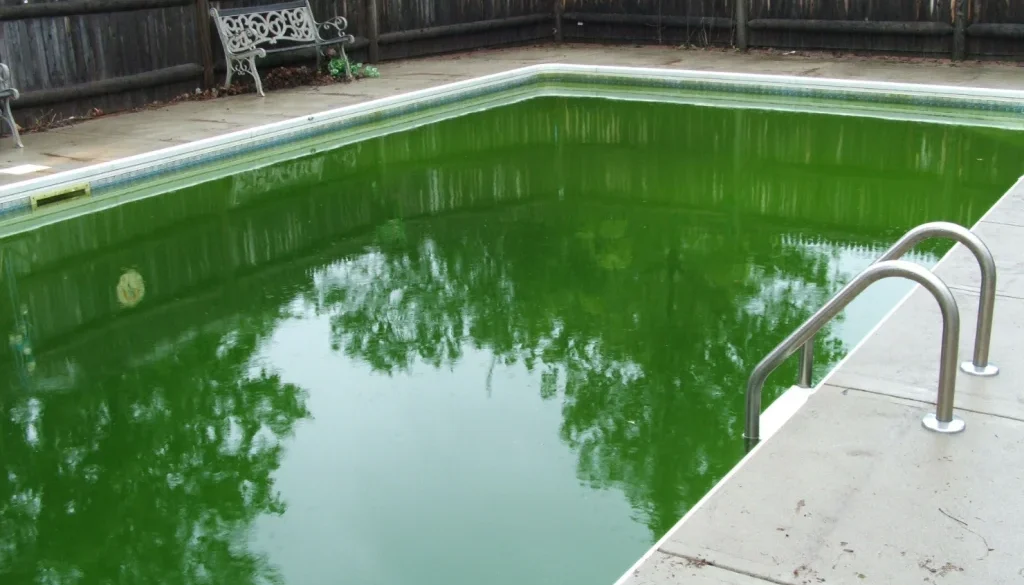
How To Prevent Pool Algae After Heavy Summer Use
Heavy summer use can leave your pool looking cloudy, unbalanced, and more vulnerable to algae growth. Between sunscreen, sweat, rainwater, leaves, and constant swimming, pool water can lose its balance faster than many homeowners expect.
“So how do you stop algae from taking over after your pool has been used all season?”
It starts with consistent cleaning, proper chemical levels, and fast attention to early warning signs. With the right steps, your pool can stay clear, safe, and ready for the next swim.
Key Takeaways
- Heavy Use Can Quickly Trigger Algae
- Balanced Water Helps Prevent Algae Growth
- Brushing Stops Algae Before Spreading
- Clean Filters Improve Pool Water Circulation
- Early Treatment Prevents Bigger Pool Problems
Why Heavy Summer Use Increases Algae Risk
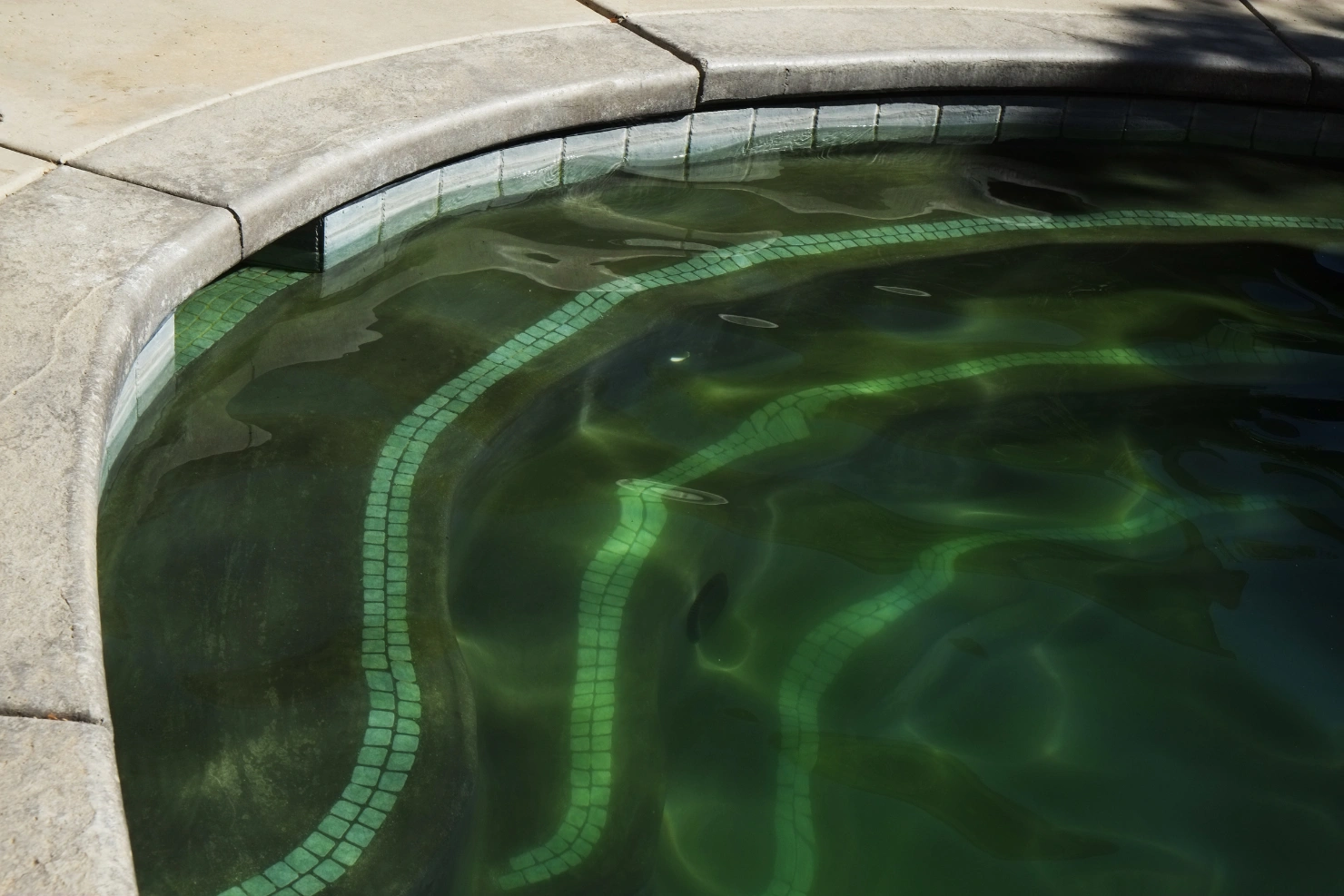
Summer is usually when pools work the hardest. More swimmers, hotter temperatures, stronger sunlight, and more outdoor debris all place extra pressure on the water, filter, and sanitizer.
Algae grows when pool conditions allow it to spread. Poor circulation, low chlorine, high pH, warm water, and organic debris can all make the problem worse.
More Organic Waste
Every swim adds contaminants to the water. Sweat, sunscreen, body oils, lotions, hair products, and dirt can build up quickly during busy summer weeks.
These contaminants use up sanitizer. When chlorine drops too low, algae has a better chance to grow on walls, steps, corners, and shaded surfaces.
Faster Chlorine Loss
Chlorine breaks down faster in hot weather and direct sunlight. Heavy swimming also lowers chlorine because the sanitizer works harder to fight bacteria, sweat, oils, and other waste.
This is why a pool can look fine one day and cloudy the next. If chlorine is not replaced fast enough, algae can begin forming before the water turns visibly green.
More Debris
Leaves, grass clippings, pollen, insects, and storm runoff can introduce organic material into the pool. Algae feeds on this material, especially when it settles in corners or along the floor.
After heavy use or bad weather, debris should be removed quickly. Skimming and vacuuming help reduce the amount of material algae can use to grow.
Early Signs Your Pool May Be Growing Algae
Algae is easier to control when it is caught early. Waiting until the pool turns green usually means more brushing, stronger treatment, and longer filtration time.
Watch for these warning signs after heavy summer use:
- Cloudy, dull, or hazy pool water
- Green, yellow, brown, or dark patches
- Slippery walls, steps, benches, or ladders
- Stains around fixtures, corners, or tile lines
- Dirt-like material that returns after brushing
- Chlorine levels dropping faster than normal
- Musty or unpleasant water smell
- Poor water circulation or weak return flow
Green algae is the most common type and can spread quickly. Mustard algae often appears yellow or brown and may cling to shaded areas. Black algae is more stubborn because it can root into porous pool surfaces and usually needs aggressive brushing and proper chemical treatment.
Test And Balance Pool Water Often
Water testing is one of the most important steps in algae prevention. Heavy pool use can change water chemistry faster than normal, especially during hot summer weeks.
A clear pool does not always mean balanced water. Testing helps you catch problems before algae becomes visible.
Check Chlorine Levels
Free chlorine is the sanitizer that helps keep pool water clean. If it drops too low, algae can grow more easily.
During heavy use, test chlorine more often than usual. Pools may need extra attention after parties, storms, heat waves, or several days of frequent swimming.
Monitor pH Balance
pH affects how well chlorine works. If pH is too high, chlorine becomes less effective, even if the test shows chlorine is present.
Most pools perform best when pH stays in the proper pool range, commonly around 7.2 to 7.8. Keeping pH balanced helps sanitizer work better and also protects swimmers from irritation.
Review Alkalinity
Total alkalinity helps stabilize pH. If alkalinity is too low or too high, pH can swing out of range more easily.
Unstable pH makes algae prevention harder. Regular testing helps keep the water steady, especially after rain, chemical adjustments, or heavy swimming.
Brush Pool Surfaces After Heavy Use
Brushing is often skipped when the water still looks clear. That is a mistake. Algae can start as a thin film on pool surfaces before it becomes visible in the water.
Brushing helps remove early algae growth before it attaches more firmly. It also helps chemicals reach areas where algae may be hiding.
Focus on these areas:
- Pool walls
- Steps and benches
- Corners and seams
- Tile lines
- Around ladders
- Behind fixtures
- Shaded areas
- Low-circulation spots
Use the right brush for your pool surface. Nylon brushes are common for vinyl, fiberglass, and painted surfaces. Stainless steel brushes may be used on some plaster surfaces, but they should not be used on surfaces that can scratch easily.
Clean The Filter And Skimmer Baskets
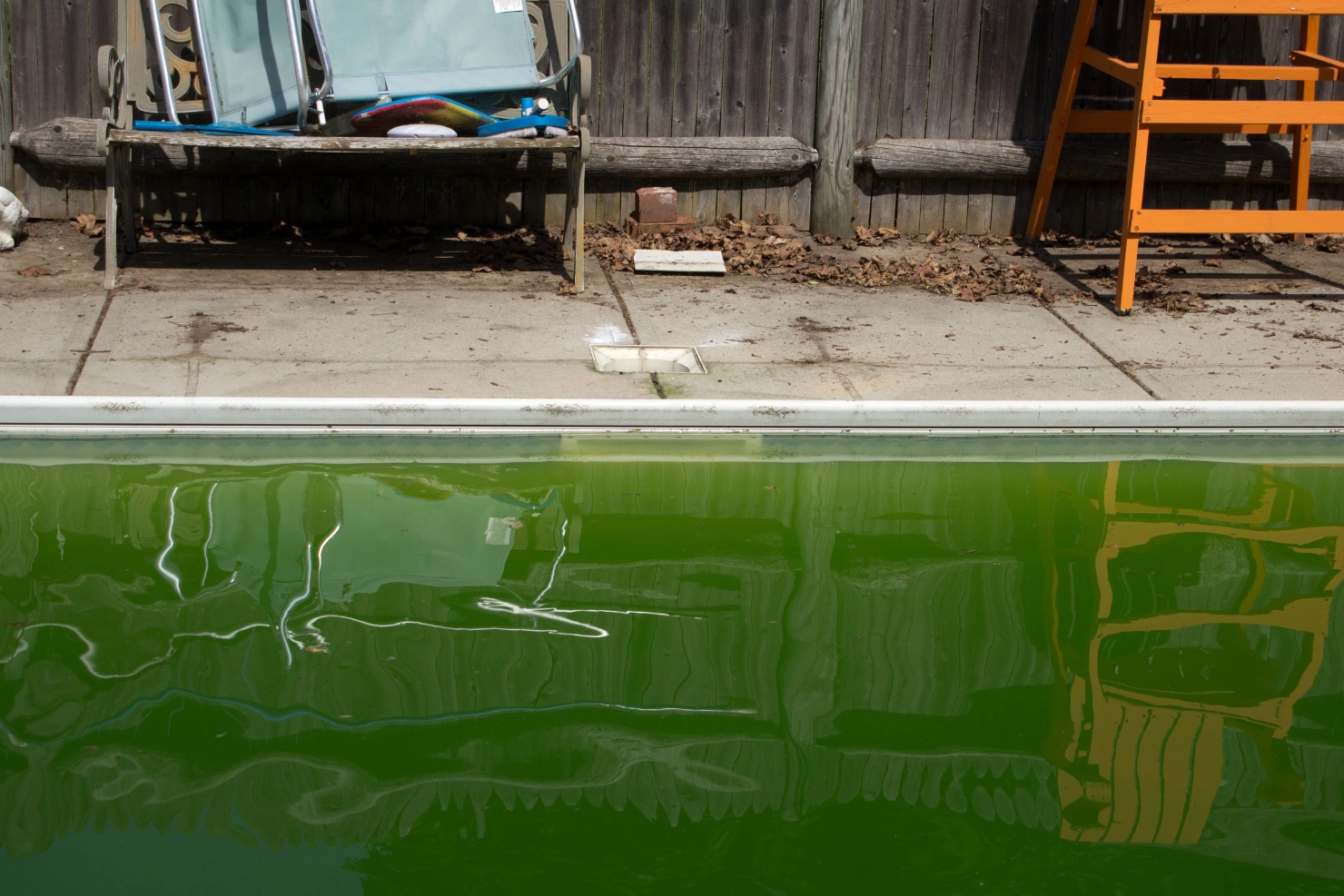
Good circulation and filtration help prevent algae from settling and spreading. If water is not moving properly, sanitizer may not reach every part of the pool.
A clogged basket, dirty filter, or weak pump flow can create dead spots. These areas give algae more time to grow.
Empty Baskets
Skimmer and pump baskets collect leaves, insects, and debris. When they get full, water flow can drop.
Check baskets often during summer. After storms or heavy swimming, they may fill faster than expected.
Check Filter Pressure
Many pool filters have a pressure gauge. When pressure rises above the normal clean reading, it may mean the filter is dirty and water flow is restricted.
Low flow can reduce filtration and chemical distribution. This makes algae prevention harder.
Clean As Needed
Filters should be cleaned or backwashed based on the filter type, pressure reading, and pool conditions. Sand, cartridge, and DE filters each have different maintenance needs.
After heavy summer use, filter cleaning may be needed more often. This is especially true if the pool has had cloudy water, algae treatment, or heavy debris.
Shock The Pool When Needed
Pool shock helps raise sanitizer strength when normal chlorine levels cannot keep up. It is commonly used after heavy swimmer loads, storms, cloudy water, or early algae signs.
Shock is not a replacement for regular maintenance. It works best when the water is already balanced and the pool has good circulation.
Shock may be needed after:
- Pool parties
- Heavy weekend swimming
- Rainstorms
- Several days of extreme heat
- Cloudy or dull water
- Fast chlorine loss
- Early algae growth
- High organic debris levels
Always follow product directions. Different shock products have different dosing, application, and waiting instructions. Some pools may also need brushing and extended pump run time after treatment.
Keep Water Moving With Proper Circulation
Algae grows more easily in still water. Good circulation moves sanitizer throughout the pool and helps the filter remove small particles.
Even if the pump is running, some areas may still have poor movement. Corners, steps, benches, and areas behind ladders often need extra attention.
To improve circulation:
- Run the pump long enough each day
- Keep skimmer and pump baskets clean
- Aim return jets to improve water movement
- Brush dead spots regularly
- Check for weak return flow
- Make sure water level is correct
- Inspect equipment if flow suddenly drops
Poor circulation can make chemical treatment less effective. If algae keeps coming back, the problem may not be only chemical. It may also involve filtration, pump performance, or water movement.
Pool Algae Prevention Checklist After Heavy Summer Use
A simple maintenance routine can help stop algae before it spreads. This checklist gives homeowners a practical way to stay ahead of common summer pool problems.
| Maintenance Step | Why It Helps Prevent Algae | How Often To Check |
|---|---|---|
| Test Water Chemistry | Keeps sanitizer, pH, and alkalinity in proper range | 2–3 times weekly during heavy use |
| Brush Walls And Steps | Removes early algae before it attaches firmly | Weekly or after heavy swimming |
| Empty Skimmer Baskets | Improves water flow and debris removal | Several times weekly |
| Clean Or Backwash Filter | Helps remove fine particles and contaminants | As pressure rises or after heavy debris |
| Shock The Pool | Restores sanitizer strength after heavy demand | After parties, storms, or cloudy water |
| Remove Debris | Reduces organic material algae can feed on | Daily or as needed |
| Check Circulation | Helps chemicals reach all pool areas | Weekly or when flow seems weak |
Pro Tip: Algae prevention is much easier than algae removal. If your pool turns cloudy, walls feel slippery, or chlorine drops quickly, act right away. Brush the pool, test the water, clean baskets, and check circulation before the issue spreads. Early action can save time, chemicals, and surface damage.
When To Schedule Professional Pool Algae Removal
Some algae problems need more than basic brushing and shocking. If algae keeps returning, the pool may have deeper issues with water balance, filtration, circulation, or surface staining.
Professional service helps identify the cause instead of only treating the visible problem.
Schedule help when:
- Algae keeps coming back after treatment
- Pool water stays cloudy
- Black algae appears on surfaces
- Mustard algae returns in shaded areas
- Stains do not lift with normal cleaning
- Chemical levels are hard to control
- Pool walls feel slimy after brushing
- Filter pressure or water flow seems abnormal
- You are unsure which chemicals to use
Residential Pool Service LLC provides pool algae and stain removal services for homeowners in Sterling VA. Our team can inspect the pool, test the water, identify algae or stain concerns, and recommend the right treatment process.
Keep Your Sterling VA Pool Clear After Summer
A busy summer does not have to end with green water, stains, or slippery pool surfaces. The key is to stay ahead of algae with proper testing, brushing, filtration, circulation, and timely treatment.
Heavy pool use can quickly throw water chemistry off balance. Sunscreen, sweat, debris, rain, and heat all increase the demand on your pool system.
Residential Pool Service LLC helps Sterling VA homeowners keep their pools clean, clear, and ready for use. Contact us to schedule professional algae and stain removal or routine pool maintenance before small water issues turn into bigger pool problems.



