

In-Line Vs Off-Line Chlorine Feeders For Today’s Pool Systems
Choosing the right chlorine feeder affects how steady, safe, and manageable your pool water stays throughout the season. In-line and off-line feeders both help deliver chlorine into the circulation system, but they do it in different ways and fit different pool setups.
“So which option makes more sense for today’s pool systems?”
The answer depends on plumbing layout, equipment space, maintenance needs, and how much control you want over daily chlorination. Understanding the difference helps pool owners avoid poor chlorine distribution, frequent water imbalance, and unnecessary equipment strain.
Key Takeaways
- Chlorine feeders support steadier pool sanitation.
- In-line feeders need direct plumbing space.
- Off-line feeders suit crowded equipment pads.
- Feeder choice depends on system layout.
- Regular testing keeps chlorine levels balanced.
What Chlorine Feeders Do In A Pool System
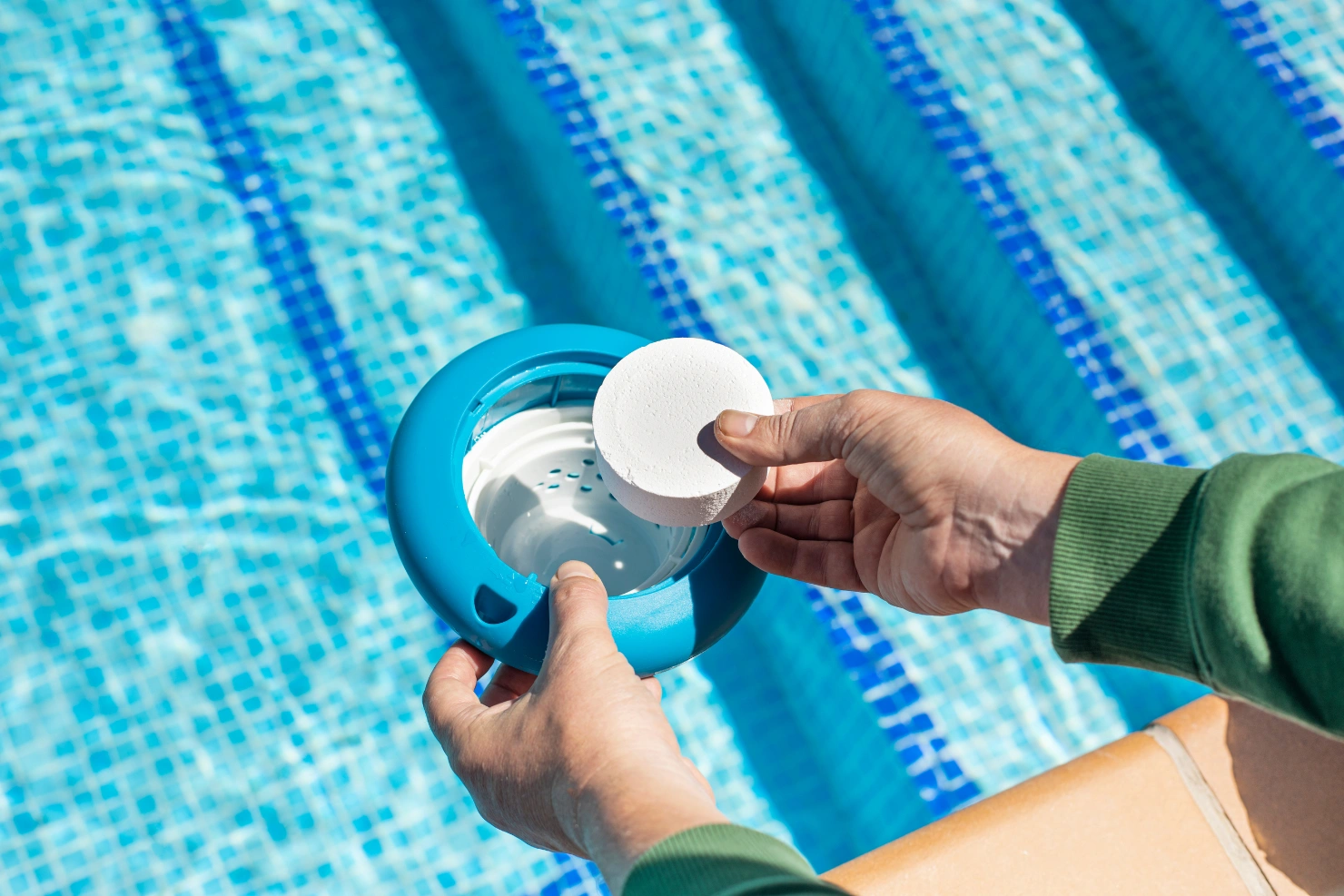
Chlorine feeders help pool owners maintain sanitizer levels without adding chlorine by hand every day. They hold chlorine tablets or sticks and release chlorine gradually as water moves through the system.
A feeder does not replace water testing, brushing, filtration, or professional maintenance. It supports the sanitation process by giving the pool a more controlled chlorine supply.
When a feeder is sized, installed, and adjusted correctly, it can help reduce sudden drops in chlorine after heat, rain, heavy swimming, or debris buildup. This matters because free chlorine must stay available in the water to help control bacteria, algae, and other contaminants.
Chlorine feeders are commonly installed on the return side of the pool system, after the filter and heater. This placement helps treated water move back toward the pool after chlorine has been introduced.
Why Feeder Type Matters More Than Pool Owners Realize
At first, in-line and off-line feeders may seem like small equipment choices. Both serve the same general purpose, but the installation style can affect water flow, service access, and long-term maintenance.
A poor feeder choice can create avoidable problems. The unit may be hard to reach, difficult to adjust, or poorly matched to the existing plumbing. In some cases, the feeder may not allow enough control over chlorine output during peak swimming season.
Pool owners should look beyond the product label and think about the whole equipment pad. The right feeder should fit the plumbing, allow safe access, and support the pool’s daily chlorine demand.
Key factors include:
- Pool size and water volume
- Pipe layout around the equipment pad
- Available space after the filter or heater
- Ease of reaching the feeder lid
- Chlorine demand during warm weather
- Whether the system is new or already built
- Compatibility with existing equipment
Residential Pool Service LLC helps pool owners look at these details before recommending a feeder style. A feeder should make pool care easier, not create another service issue.
What Is An In-Line Chlorine Feeder?
An in-line chlorine feeder is installed directly into the pool’s main return plumbing. Water flows through the feeder body before it returns to the pool.
This setup is common on new pool equipment installations or major plumbing upgrades. Since the feeder becomes part of the pipe run, it usually requires cutting and fitting the main return line.
Direct Plumbing Setup
In-line feeders are installed as part of the main pipe. This creates a clean appearance because there are no small bypass tubes running around the equipment pad.
This setup can work well when there is enough straight pipe space near the return line. It also keeps the feeder compact within the main system layout.
Strong Water Contact
Because water moves directly through the feeder, in-line models can provide steady chlorine contact while the pump is running. The feeder’s control dial adjusts how much water enters the tablet chamber.
This does not mean chlorine output is automatic in every situation. The actual chlorine level still depends on water flow, tablet condition, temperature, pool use, and feeder setting.
Best-Fit Pool Systems
In-line feeders are often a good fit for:
- New pool builds
- Equipment pad upgrades
- Return lines with enough pipe space
- Pool owners who want a cleaner layout
- Systems where permanent plumbing changes are practical
They may not be the best choice when the return line is crowded or when there is not enough room to install the feeder safely.
What Is An Off-Line Chlorine Feeder?
An off-line chlorine feeder connects to the pool plumbing through small tubing instead of becoming part of the main pipe. Water is diverted from the return line through the feeder, then sent back into the plumbing.
This bypass design makes off-line feeders useful for existing pool systems. They are often easier to add when the equipment pad is already crowded.
Bypass Line Design
Off-line feeders use small inlet and outlet tubes attached to the main plumbing. These tubes allow a controlled amount of water to pass through the feeder chamber.
Since the main pipe does not need to be cut apart in the same way, off-line models can offer more installation flexibility. This can be helpful when working around filters, heaters, valves, and tight corners.
Easier Retrofit Option
Many older pool systems were not originally built with a chlorine feeder in mind. An off-line feeder can often be added without changing as much of the main return line.
This makes it a practical option for pool owners who want better chlorine control but do not want major plumbing changes.
Flexible Placement
Off-line feeders can sometimes be mounted in a more convenient spot near the equipment pad. This helps when the main return line is hard to reach or too short for an in-line unit.
That flexibility matters during service. A feeder that is easy to reach is usually easier to inspect, refill, and adjust safely.
In-Line Vs Off-Line Chlorine Feeders: Key Differences
Both feeder styles can support clean and balanced pool water. The better choice depends on the pool system, not just the product type.
| Feature | In-Line Chlorine Feeder | Off-Line Chlorine Feeder |
|---|---|---|
| Installation Style | Installed directly into the main return line | Connected with small bypass tubing |
| Best Use | New systems or major equipment upgrades | Existing systems or crowded equipment pads |
| Plumbing Changes | Usually requires cutting into main pipe | Requires smaller connection points |
| Equipment Pad Appearance | Cleaner and more compact | More visible tubing around the feeder |
| Placement Flexibility | Limited by pipe layout | More flexible placement options |
| Service Access | Depends on pipe location | Can be easier to position for access |
| Flow Path | Water passes through feeder body | Water diverts through bypass line |
| Common Advantage | Strong integrated setup | Easier retrofit installation |
This comparison shows why there is no single best feeder for every pool. A clean in-line setup may work perfectly on one system, while an off-line feeder may be smarter for another.
Benefits Of In-Line Chlorine Feeders
In-line feeders are popular because they become a built-in part of the pool circulation system. They can look cleaner and reduce extra tubing around the equipment pad.
For the right pool system, this setup can be simple, reliable, and easy to manage. It is especially useful when the return plumbing has enough room for proper installation.
Main benefits include:
- Clean equipment pad appearance
- Direct connection to pool plumbing
- Fewer exposed small tubes
- Steady water movement through the feeder
- Good option during new equipment installation
- Simple layout when space allows
- Less clutter around pipes and valves
In-line feeders work best when there is enough room to install the unit without crowding other equipment. The feeder lid should also remain easy to open for tablet replacement and inspection.
Benefits Of Off-Line Chlorine Feeders
Off-line feeders are valued for flexibility. They are often used when the pool system already exists and the main return line does not have enough space for an in-line feeder.
This can make them a smart choice for many residential pools. They allow pool owners to add controlled chlorine feeding without reworking large sections of plumbing.
Main benefits include:
- Easier installation on existing systems
- Useful for tight equipment pads
- Flexible feeder placement
- Less modification to the main pipe
- Practical for retrofit projects
- Easier access when positioned well
- Good option when return plumbing is crowded
Off-line feeders still need proper installation. The tubing must be secure, the connections must be watertight, and the feeder must be placed where it can be serviced safely.
Common Mistakes When Choosing A Chlorine Feeder
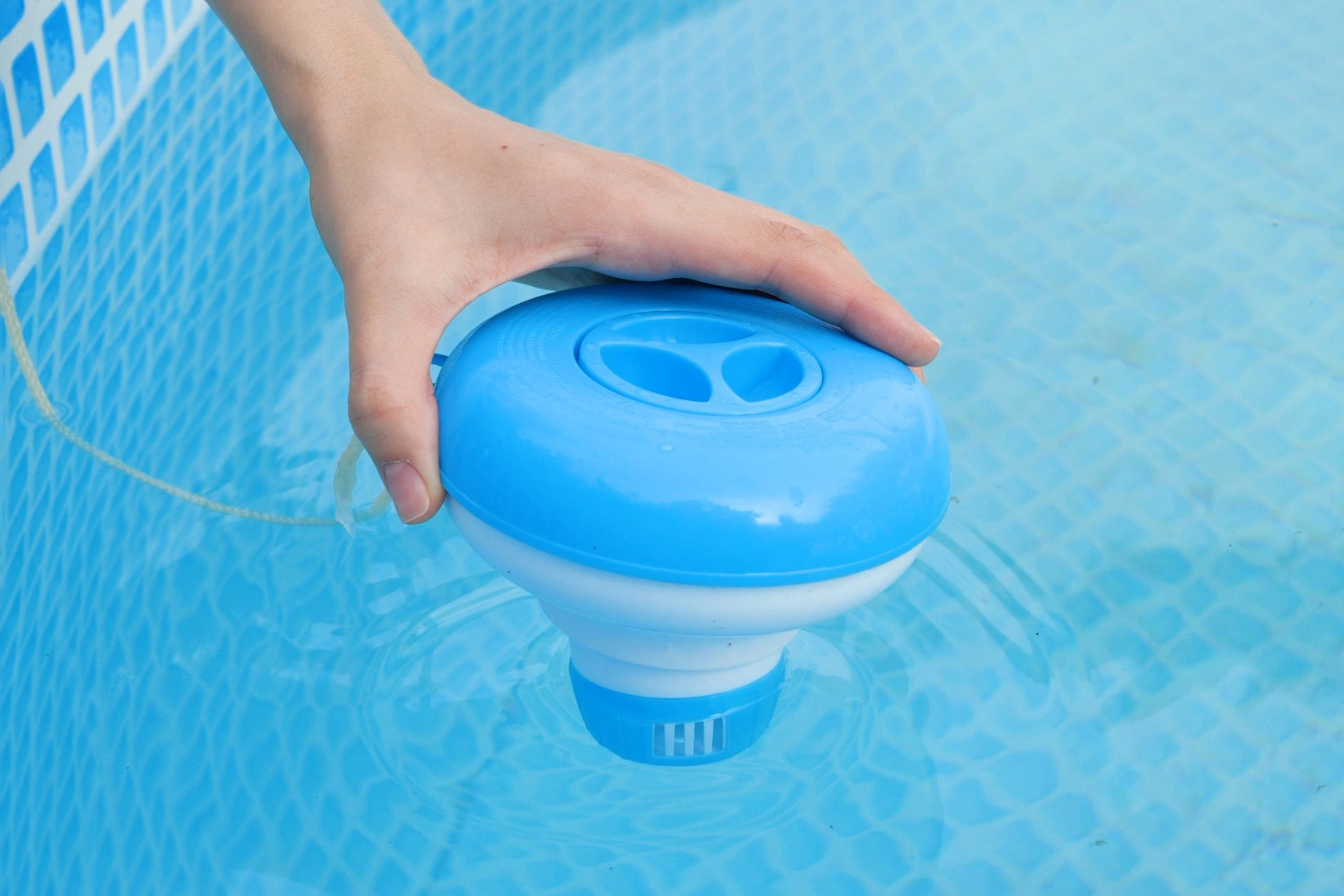
Choosing a chlorine feeder based only on price can lead to frustration. The feeder must match the pool system and be easy to maintain.
One common mistake is ignoring equipment pad space. A feeder that technically fits may still be difficult to open, adjust, or refill. This creates safety and service problems later.
Another mistake is assuming a feeder will solve every water issue. Chlorine feeders help with sanitizer delivery, but they do not correct poor filtration, bad circulation, high pH, low stabilizer, or heavy organic debris.
Pool owners should also avoid using the wrong chlorine product. Feeders are made for specific types of chlorine tablets or sticks. Mixing different chemical types can create dangerous reactions.
Other mistakes include:
- Installing the feeder before checking flow direction
- Placing the feeder where the lid cannot open fully
- Ignoring manufacturer instructions
- Overfilling the feeder without testing water
- Running the feeder too high during low pool use
- Forgetting to inspect O-rings and seals
- Expecting the feeder to replace regular water testing
A feeder should be part of a complete pool care routine. It works best when paired with proper testing, cleaning, filtration, and seasonal maintenance.
Maintenance Tips For Both Feeder Types
Both in-line and off-line feeders need routine care. A feeder handles strong pool chemicals, so safe use matters every time it is opened or adjusted.
Before opening a feeder, the pump should be turned off and pressure should be relieved according to the manufacturer’s instructions. The lid should be opened carefully, and tablets should be added only as directed.
Good maintenance habits include:
- Test chlorine and pH regularly
- Use only approved chlorine tablets
- Never mix different chlorine types
- Keep the feeder lid seal clean
- Inspect O-rings for cracks or flattening
- Check tubing on off-line feeders
- Check unions and fittings on in-line feeders
- Adjust the dial after heavy rain or high use
- Keep the feeder closed tightly after refilling
- Store pool chemicals in a dry, separate area
Pool water changes throughout the season. Hot weather, sunlight, swimmers, leaves, and storms can increase chlorine demand. The feeder setting may need adjustment as those conditions change.
Safety Considerations For Chlorine Feeders
Chlorine feeders reduce the need for daily hand dosing, but they still require careful chemical handling. Chlorine products are strong oxidizers and should never be mixed with other chemicals.
Pool chemicals should be stored in a cool, dry, ventilated location. They should also be kept away from moisture, direct sunlight, and incompatible products.
Safety matters most when opening the feeder. Gas can build up inside the chamber, especially if the system has been off or the feeder was not handled correctly. Opening the lid slowly and following product instructions helps reduce risk.
Important safety reminders include:
- Do not mix chlorine types
- Do not add shock directly into a feeder
- Do not breathe fumes from the feeder
- Do not use damaged feeder parts
- Do not leave tablets exposed near children or pets
- Do not store chemicals near acids or fuel
- Do not force a stuck feeder lid
A professional inspection is smart if the feeder smells unusually strong, leaks, clogs, or no longer holds a steady setting.
Which Chlorine Feeder Is Better For Your Pool?
There is no automatic winner between in-line and off-line chlorine feeders. The better choice depends on your pool’s plumbing, space, equipment condition, and service needs.
An in-line feeder may be the stronger choice if the pool system is being built or upgraded and the return line has enough room. It gives the equipment pad a cleaner appearance and keeps the feeder integrated into the plumbing.
An off-line feeder may be the better fit if your equipment pad is already crowded or your return line does not allow an easy in-line installation. It can give you more placement flexibility without as much main pipe modification.
Residential Pool Service LLC can inspect the equipment layout, check plumbing conditions, and recommend a feeder setup that fits the pool correctly. This helps avoid guesswork and supports safer, more consistent chlorination.
Pro Tip: Before choosing a chlorine feeder, check three things: plumbing space, flow direction, and service access. A feeder should not only fit the pipe. It should also be easy to open, refill, inspect, and adjust. Poor access can turn a simple maintenance task into a safety problem.
Final Thoughts
In-line and off-line chlorine feeders both help pool owners maintain cleaner, safer water when installed and used correctly. The main difference is how each feeder connects to the pool system.
In-line feeders offer a clean, direct setup for systems with enough plumbing space. Off-line feeders offer more flexibility for existing systems, tight equipment pads, and retrofit projects.
The right feeder should match your pool’s layout, water demand, and maintenance routine. With help from Residential Pool Service LLC, pool owners can choose a chlorine feeder that supports steady sanitation, safer chemical handling, and easier pool care throughout the season.



