

Light Vs Dark Pool Plaster: How Color Changes Water Appearance
Choosing light vs dark pool plaster isn’t just a style decision—it’s one of the biggest factors in how your water will look every single day. The same pool can read as bright, tropical aqua with a light finish, or shift to a deep lagoon-blue with a darker one, even when the water is equally clean. Sun angle, depth, shadows, and the color of your decking or landscaping all amplify the effect, which is why homeowners in Sterling, VA often feel surprised when the finished pool doesn’t match the “sample photo” they had in mind.
“But what’s really happening visually—why does the exact same water look completely different depending on the plaster color?”
In this guide, we’ll break down how light reflects through water, how different finishes influence tone and brightness, and what to consider before you commit—so you can pick a color that looks great in real life, not just on a showroom chip. If you’re planning a replaster or refresh in Sterling, Residential Pool Service LLC can help you compare options and choose a finish that fits your goals—contact us to schedule a consultation.
Key Takeaways
- Plaster color dramatically changes water appearance.
- Light finishes brighten and reflect.
- Dark finishes deepen and absorb.
- Depth, shade, and lighting shift.
- Proper startup keeps plaster looking.

Why Plaster Color Changes The Way Water Looks
Pool water is naturally clear, so what you perceive as “water color” is mostly an optical effect created by light + depth + the finish beneath the waterline. That’s why two pools with the same chemistry can look completely different.
When selecting plaster in Sterling, VA, it’s helpful to think in terms of “target water appearance” rather than “paint-chip color,” as your yard, sun exposure, and pool shape all influence the final look.
Light Absorption Vs Reflection (The Simple Science)
Light finishes reflect more light toward your eyes, so water often looks brighter and more luminous. Dark finishes absorb more light, reducing the reflected light, which makes the water appear deeper and richer.
In clear water, light passes through, hits the finish, and returns carrying the finish’s color character—so your plaster choice becomes the “background filter” for the entire pool.
Depth, Sun Angle, And Shadows Make Color Shift
Depth changes color intensity because light travels farther through deeper water and gets altered more along the way, which can make the deep end look more saturated than the shallow end.
Sun angle matters too: bright midday sun often makes colors look cleaner and more vivid, while late-day sun and tree shadows can make water look darker and more muted. This is why tanning ledges, steps, and deep ends rarely match perfectly—even with the same plaster.
Why Photos And Samples Often Look Different In Real Life
Online photos and showroom chips can be misleading because cameras auto-adjust exposure and color temperature, and sample boards aren’t viewed through several feet of water.
Your deck color, nearby landscaping, and even the wall color of your house can “bounce” light into the pool and shift what you see. The most reliable approach is to view finish samples outdoors and think about how your pool looks in full sun versus partial shade.
What Light Pool Plaster Typically Looks Like
Light plaster is popular because it tends to produce a clean, bright water look that many people associate with resort pools. It can also make a pool feel visually larger and more open, especially in smaller backyards.
If your goal is “sparkling, inviting, and airy,” light finishes are often a strong starting point—especially when your pool gets plenty of direct sun for much of the day.
Common Water Tones (Aqua, Sky Blue, “Resort” Look)
Light plaster often creates water tones that read as pale blue, aqua, or sky-blue, with higher “sparkle” in sunlight because more light reflects back to the surface. In shallow areas, this can look especially bright and tropical. As the pool gets deeper, you’ll usually see a natural gradient where the water looks more saturated in the deep end, even if the finish is uniform.
When Light Plaster Looks Best (Shallow Areas, Full Sun Yards)
Light finishes tend to look their best when the pool has strong daylight and open sky reflection, because those conditions amplify brightness and clarity. If your Sterling yard has fewer tall trees and your pool is designed with wide shallow zones, you’ll usually get a more consistent “light and lively” water appearance. Pools with heavy shade can still use light plaster successfully, but the visual payoff often depends more on lighting design.
Tradeoffs To Know (Glare, Stains Showing Faster, “Washed Out” Risk)
Because light finishes reflect more light, they can create more surface glare in intense sun. Also, discoloration from metals, organic staining, or localized scale can be easier to notice on very light backgrounds. None of that means light plaster is “worse”—it simply means the finish can be less forgiving visually if chemistry or debris control slips, and you may want a realistic plan for maintenance habits.
What Dark Pool Plaster Typically Looks Like
Dark plaster is chosen for drama and depth—many homeowners want a more modern, high-contrast look that reads “lagoon” or “natural.” Dark finishes can make water appear richer, and they often pair well with contemporary hardscapes. The key is going in with eyes open: darker colors can be less predictable across lighting conditions, and some normal finish variation can be more noticeable.
Common Water Tones (Deep Blue, Lagoon, Modern Dark)
Darker plaster colors commonly produce water that looks deep blue, steel blue, or lagoon-like, especially when the pool has a deeper end and strong sunlight. In shaded zones, the same finish can read significantly darker, sometimes shifting toward a moodier tone.
This “chameleon effect” is exactly why people love dark finishes—and also why you should test how your yard lighting behaves across the day.
Dark Finishes And Heat Gain (What’s Factual And What’s Hype)
A darker surface absorbs more solar energy than a lighter one, which is basic physics and explains why dark finishes can contribute to warmer surface temperatures under sun exposure.
In a pool, many factors drive water temperature—air temperature, wind, evaporation, sunlight, covers, and heater use—but finish color can still be a contributing factor because absorption changes how much solar energy enters the system. It’s best to think “possible modest influence,” not a guaranteed temperature jump.
Tradeoffs To Know (Visible Variation, Waterline Scale, Night Lighting)
Darker finishes can make certain visual issues stand out more. For example, normal variations like mottling can be more apparent on darker backgrounds, and waterline scale can contrast sharply depending on the exact shade.
At night, bright white LEDs may make dark finishes look different than they do in daylight, so lighting selection matters. None of these are automatic deal-breakers—just practical design considerations.
Key Factors That Influence Your Final Water Color
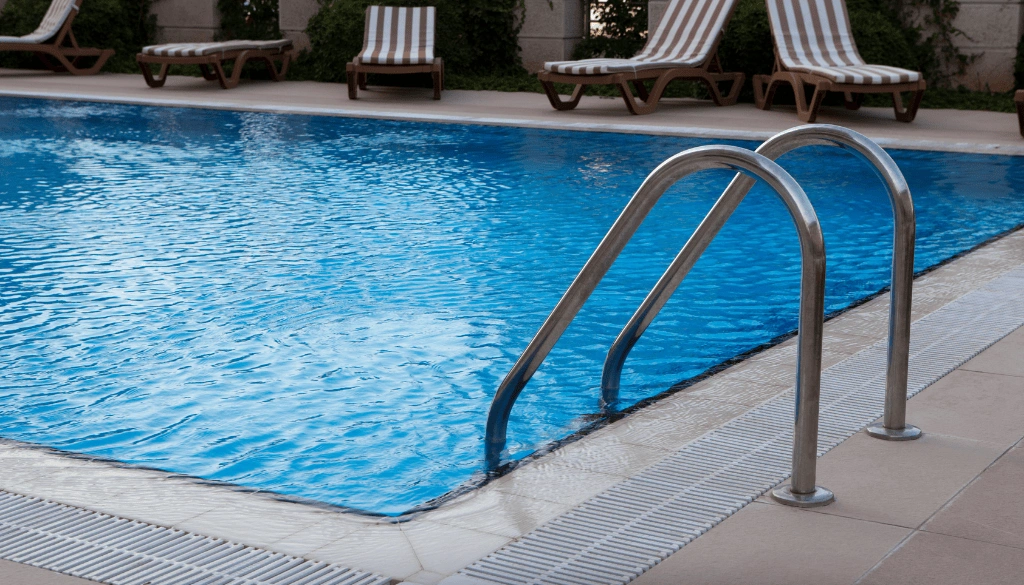
Even a perfect plaster install won’t look “right” if the surrounding conditions weren’t considered. Before you decide, you want to account for the big variables that shift water appearance: depth profile, sun exposure, surrounding surfaces, water clarity, and lighting.
Thinking through these factors up front is often what separates a pool that looks great in real life from one that only looked great in a catalog photo.
- Pool Depth And Shape Drive The Color Gradient: A pool with a tanning ledge, broad steps, and a deep end will naturally show multiple “shades” of water because deeper zones appear more saturated. This is normal and happens because light travels farther through deeper water before reflecting back to your eyes, intensifying the finish’s color effect.
- Deck, Coping, Tile, And Landscaping Act Like Color Filters: Surrounding materials reflect light into the pool. Light stone decking can brighten the entire water appearance, while dark pavers or dense greenery can make the water read deeper. If you’re updating plaster but keeping old coping or waterline tile, make sure the new plaster complements those fixed elements.
- Water Clarity And Lighting Change Everything: Clear water lets the finish do its job; cloudy water masks it and can make color look flat. At night, the color temperature of your LEDs (cool vs warm) can shift how the finish reads, especially with darker plasters. Planning lighting at the same time as plaster color prevents a lot of disappointment.
Finish Type Matters As Much As Color
Plaster color is only part of the picture; the finish material and texture affect how light scatters and how consistent the surface looks. A smoother surface can reflect light more uniformly, while textured finishes can create a more natural, variegated look.
If you’re comparing standard plaster to quartz or pebble-style finishes, you’re also comparing durability characteristics and what level of natural variation you’re willing to see.
White Plaster Vs Colored Plaster
White plaster is the classic baseline because it’s bright and tends to produce a clean blue water tone. Colored plaster introduces pigments into the mix, which can create richer water colors, but also means workmanship and curing conditions can play a bigger role in visual uniformity.
If a “perfectly even” look is your top priority, you should discuss realistic expectations and what “normal variation” looks like for the color family you’re considering.
Quartz And Pebble Finishes (How They Change The Look)
Quartz and pebble finishes can change the visual depth because aggregates and texture interact with light differently than a smoother plaster surface. Many homeowners choose these finishes for a textured, dimensional look rather than a perfectly uniform “painted” appearance. Because texture affects perceived color, two finishes with similar pigments can still look noticeably different once installed and underwater, especially in changing light.
Real-World Issues Homeowners Don’t Expect
Even with a high-quality install, pool interiors are cement-based finishes that cure over time, and it’s normal for some visual variation to occur. The goal isn’t “zero variation”; it’s a sound, properly cured surface with appearance consistent with the chosen finish type. Knowing what’s typical—versus what signals a real problem—helps you avoid unnecessary stress and focus on the factors you can actually control.
Mottling And Color Variation (What’s Normal Vs Not)
Mottling is commonly described as blotchy or cloud-like shading that can appear in plaster finishes, and industry references note it can occur to some extent and may be influenced by jobsite and curing conditions. It tends to be more noticeable on darker or more saturated colors, simply because contrast is easier to see. That’s why darker finishes require especially clear expectation-setting: you’re often trading uniformity for depth and drama.
Chemistry During Startup Impacts Long-Term Appearance
New plaster is sensitive during the startup period, and early water balance and brushing practices matter because they affect plaster dust removal and the risk of scale or roughness.
Industry startup guidance commonly emphasizes frequent brushing and disciplined water testing/adjustment during the early curing window. A beautiful finish can look worse than it should if startup is rushed, ignored, or handled inconsistently.
Light Vs Dark Pool Plaster: Quick Decision Guide
If you want a simple way to decide, focus on your goal: do you want brightness and a classic look, or depth and a modern look? Once you decide that, you can narrow to specific shades and finishes that fit your pool’s depth and the way your backyard light behaves. Here’s a quick comparison you can use as a starting point before you look at actual samples.
| Factor | Light Plaster | Dark Plaster |
|---|---|---|
| Typical Water Look | Bright, airy, “resort” feel | Deep, dramatic, lagoon feel |
| Sensitivity To Shade | Can look flatter in heavy shade | Can look very dark in shade |
| Heat Absorption Potential | Lower absorption than dark surfaces | Higher absorption than light surfaces |
| Visible Variation (Mottling) | Often less noticeable | Often more noticeable |
| Night Lighting Impact | Usually stays bright with most LEDs | Can shift dramatically by LED color |
How To Choose The Right Plaster Color For Your Sterling, VA Pool
Sterling has strong seasonal swings, changing sun angles, and plenty of yards with partial tree cover—so it’s smart to pick a plaster color that looks good in both “peak summer sun” and “shoulder season shade.” The best choice is the one that matches your real conditions, not the one that looked best in a single online photo taken at noon with perfect lighting.
- Decide Your Target Water Look First, Then Pick Plaster: If you want “Caribbean aqua,” you’ll generally lean lighter; if you want “lagoon/deep blue,” you’ll generally lean darker. This approach matters because your eyes perceive the water color through reflected light from the finish below, so the goal should be the final water appearance—not the dry plaster sample color.
- Audit Your Sun And Shade Like A Designer Would: Walk your pool area at three times—late morning, mid-afternoon, and early evening—and note where shadows fall. Shade can deepen any finish visually, and the same plaster can look dramatically different as the sun angle changes. If your pool is shaded half the day, consider mid-tone options that don’t swing too bright or too dark.
- Plan Lighting And Waterline Materials Together: Waterline tile, coping, and LED lights affect how your pool reads at night and at the surface. If you’re keeping existing tile, match plaster to it. If you’re changing lights, remember that cool and warm LEDs change color perception, especially with darker finishes where contrast and reflection behave differently.
Pro Tip: Take a sample board (or a few large sample chips) outside and view it wet and in shade, not just dry in sunlight. Even a clean bucket of water over a sample can help you see how the finish reads through water and how much it shifts between sun and shadow—exactly the effect that surprises homeowners most.
What To Expect During Plastering And The First 30 Days
A good result depends on both the plastering work and the startup care afterward. Plastering generally involves draining, surface prep, repairs, application, smoothing, curing, refilling, and then careful water balancing and brushing. That last part—startup—isn’t optional “extra credit.” It’s part of how cement-based finishes cure and how the surface ends up looking and feeling.
The Startup Procedure (Brushing, Testing, And Patience)
Industry guidance commonly describes a startup period of roughly four weeks where brushing and water balance are closely managed. For example, references to a 28-day startup emphasize frequent brushing to remove plaster dust and regular testing/adjusting of water chemistry, and some guidance advises waiting before adding salt in saltwater systems. If you want your chosen light or dark color to look its best, consistent startup care is one of the biggest controllable factors.
Ready To Choose A Finish That Looks Great In Real Life?
Light vs dark plaster decisions are easiest when you match the finish to your pool depth, your backyard light, and your maintenance preferences, then confirm with real-world sample viewing.
If you’re planning pool plastering in Sterling, VA, Residential Pool Service LLC can walk you through finish options, explain realistic appearance expectations (especially for darker colors), and help you land on a choice that looks great on day one and still looks great after the first season. Contact us to schedule a consultation.


