
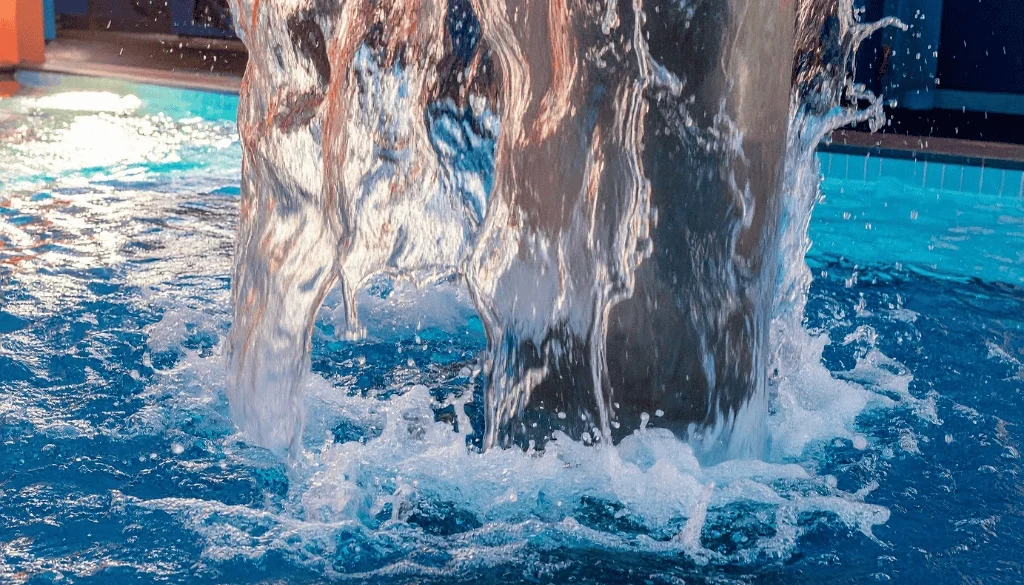
Low-Maintenance Pool Water Features That Still Look High-End
Low-maintenance pool water features are the sweet spot for homeowners who want their backyard to feel upgraded without signing up for constant cleaning, nozzle adjustments, or weekly troubleshooting. The right feature can add movement, sound, and that “resort” look while still fitting into a realistic routine—especially when you choose designs that resist clogging, minimize splash-out, and run efficiently alongside your existing circulation system.
“But how do you pick a water feature that looks high-end and doesn’t turn into another chore the moment pollen season hits or the pool gets heavy use?”
In this guide, we’ll break down the best low-maintenance options—like scuppers, sheer descents, bubblers, and modern fountains—plus the practical factors that make them easier to own, from smart placement and filtration to simple seasonal upkeep. At Residential Pool Service LLC, we help pool owners in Sterling, VA choose water features that deliver the look they want with maintenance they can actually keep up with.
Key Takeaways
- Low-maintenance features deliver upscale impact.
- Sheer descents create modern water.
- Scuppers offer simple, elegant flow.
- Bubblers upgrade sun shelves easily.
- Proper flow and balance prevents.
What “Low-Maintenance” Really Means For Water Features
Low-maintenance doesn’t mean “no maintenance.” It means the feature is designed to resist the most common headaches: clogged openings, uneven flow, constant splash-out, and surfaces that collect grime or scale quickly. A high-end look comes from consistency—smooth, repeatable water flow and a clean finish—so the best low-maintenance features are the ones that naturally stay consistent with minimal intervention.
In practice, the most low-maintenance water features tend to have fewer tiny nozzles, smoother materials, and straightforward access for cleaning. They also work best when the water chemistry is kept in normal ranges and the pool’s filtration system is doing its job. When those basics are handled, the feature can be an “enhancement” instead of a “project.”
Quick Checklist Before You Choose A Water Feature
Choosing the right feature is less about the trendiest photo online and more about matching the feature to your pool’s layout, equipment, and how you actually use the space. A feature that looks stunning on a brand-new build can become annoying on an existing pool if it splashes onto the deck, creates constant aeration near the skimmer, or needs more pump power than your setup can comfortably provide.
Here are practical considerations that keep the decision grounded and reduce regret later:
- Pool Shape And Style Compatibility (50+ Words)
A clean, geometric pool often looks best with architectural features like scuppers or sheer descents, while freeform pools can support softer lines like small cascades or subtle spillways. The goal is to make the feature look intentional, not “added on.” Matching the materials and the lines of the pool usually creates a higher-end look than simply choosing the biggest option. - Splash Control And Placement (50+ Words)
Splash-out is one of the fastest ways a feature becomes “high-maintenance,” because you end up refilling the pool more often and wiping water marks off coping and decking. Wind exposure matters, and so does distance from seating areas. A feature that lands water cleanly into the pool, without overspray, will stay cleaner and feel more premium day-to-day. - Equipment Capacity And Access (50+ Words)
Some features can run off existing circulation with proper plumbing and valves, while others benefit from a dedicated line or pump for consistent performance. Either way, access matters: if the valve, filter basket, or feature opening is hard to reach, people put off cleaning. Simple access points and smart valve layout are quietly “luxury” because they keep everything easy.
The Best Low-Maintenance Water Features That Look Expensive
The best low-maintenance choices share a theme: they create a dramatic effect with simple mechanics. That usually means a clean spill line, a smooth opening, or a controlled stream that looks crisp even at moderate flow rates. A “high-end” look also comes from symmetry and consistency, so features that naturally produce a uniform flow tend to deliver the best results with the least attention.
Below are the most reliable, low-fuss options we recommend when homeowners want impact without constant upkeep. At Residential Pool Service LLC, we typically guide Sterling, VA pool owners toward these styles because they deliver a premium look while staying realistic to maintain.
Sheer Descents (Modern Sheet Waterfalls)
A sheer descent creates a clean “sheet” of water that reads as modern and high-end, especially when it’s built into a raised wall or beam. It’s relatively low-maintenance when the opening stays free of debris and the flow is tuned correctly. The most common issue is uneven flow, which is usually caused by low water level, air in the line, or buildup at the lip.
To keep it easy, choose a design with smooth surfaces and a size that matches the pump’s capability. When a sheer descent is oversized for the available flow, it can look broken or streaky. Proper installation and flow tuning are what make this feature look expensive instead of messy.
Scuppers (Architectural And Simple)
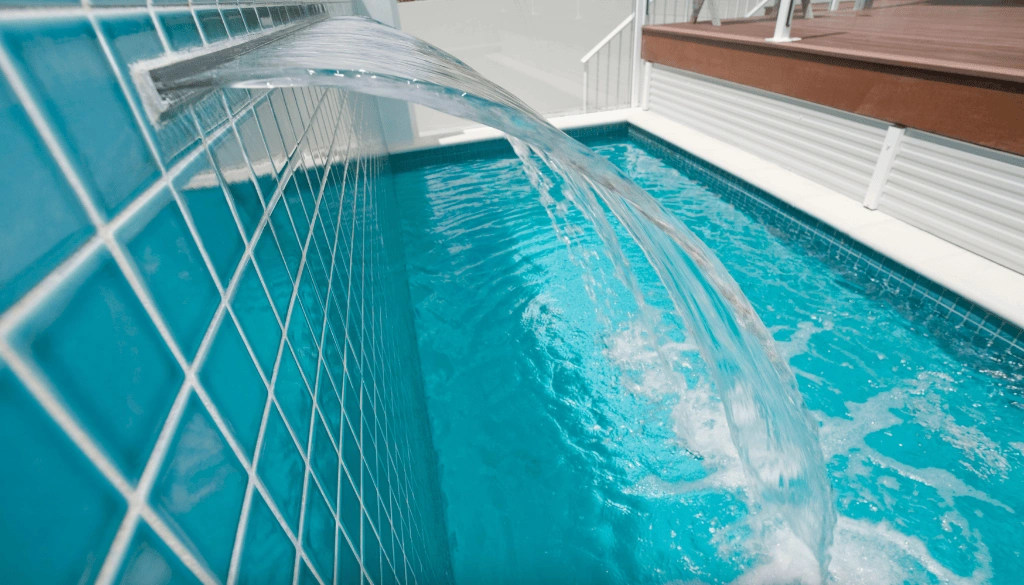
Scuppers create a curtain or arc of water flowing from a wall opening into the pool. They look upscale because they pair well with modern hardscape and raised waterline walls. Maintenance is usually straightforward: keep the opening clear and manage mineral buildup on the lip. Because a scupper can be a single outlet, it’s often easier to maintain than features with multiple small nozzles.
Scuppers also tend to be forgiving. Even if you reduce flow for quiet operation, they still look intentional. The key is placement and splash management—aim the water into the pool, not onto coping or sun shelves where it can leave residue and require frequent wipe-downs.
Bubblers For Sun Shelves (Resort Style With Minimal Fuss)
Bubblers are popular because they instantly give a “resort” vibe on a tanning ledge or shallow shelf. They can be low-maintenance if they’re installed with sensible flow rates and positioned to avoid constant splash onto nearby stone or furniture. The most common maintenance issue is buildup around the bubbler head, especially if water chemistry drifts or debris collects in the shallow area.
If you want the high-end look without the headache, keep the effect gentle and controlled rather than blasting water upward. A soft, consistent bubbler looks more premium than a chaotic spray, and it typically creates less splash-out and less residue on surrounding surfaces.
Deck Jets And Laminar Jets (High Impact When Done Right)
Deck jets can create elegant arcs into the pool, and laminar jets take it further by producing a smooth, clear stream that can be paired with LED lighting for dramatic nighttime impact. These can still be low-maintenance, but only when the water supply is clean and the equipment is set up properly. Small openings and precise flow paths mean they can be more sensitive to debris than scuppers or sheer descents.
If you love the look, the “low-maintenance” version is a properly filtered, properly plumbed installation with accessible valves and realistic run times. When jets are constantly adjusted or frequently clog, it’s usually a sign the system wasn’t designed with serviceability and water cleanliness in mind.
Simple Modern Fountains (Clean Look, Less Plumbing)
Standalone or integrated fountain features can look high-end without complex wall penetrations. The most low-maintenance versions use smooth finishes, modest flow, and a design that doesn’t trap debris. These are often easier to retrofit, too, because they can sometimes be added with less structural modification than a raised wall feature.
The best fountains for low maintenance are the ones that don’t spray fine mist or create excessive aeration. A clean, contained flow looks more upscale and creates fewer water marks on nearby surfaces. When the design stays controlled, the upkeep stays simple.
Water Features To Avoid If You Want Low Maintenance
It’s not that these features are “bad”—they’re just more likely to demand frequent cleaning or troubleshooting, especially for busy homeowners. If your goal is a high-end look with minimal effort, avoid designs that create hidden debris traps, require weekly precise tuning, or spray water onto surfaces that will show spotting and residue.
A few common “maintenance multipliers” to watch for are porous rock textures that trap grime, features with many tiny outlets that clog easily, and oversized waterfalls that require high flow to look right. Another red flag is any feature that seems to require constant manual adjustment to keep the water from splashing out. A well-chosen feature should look good even when it’s running gently and consistently.
Design Choices That Reduce Maintenance And Make It Look Better
Great design is underrated maintenance. The “expensive” look usually comes from restraint: correct scale, thoughtful placement, and a flow that looks intentional rather than aggressive. When a feature is placed where wind and splash are minimized, you spend less time wiping surfaces and refilling water. When the finish is smooth and cleanable, you spend less time scrubbing.
One of the biggest upgrades you can make—without adding complexity—is designing for controlled water behavior. That means aiming streams where they land cleanly, choosing a feature width that matches realistic flow, and avoiding placements that constantly wet coping, deck joints, or seating areas. Small design decisions often matter more than the feature type when it comes to long-term ease.
Pro Tip: If you want a “luxury” look with less cleaning, tune the flow so the feature runs smoothly but not aggressively. Overpowered features create splash-out, water loss, and mineral spotting on coping and deck surfaces. A calmer, consistent flow usually looks more high-end and stays cleaner.
Equipment And Plumbing Setup That Keeps It Easy

Low-maintenance water features depend on stable water flow and clean water supply. Many performance issues that look like “the feature is failing” are actually circulation problems: air getting pulled into a line, insufficient flow for the feature width, or a dirty filter reducing pressure. Good plumbing design uses valves that allow easy adjustment, and smart installations keep the system serviceable without tearing apart hardscape.
In many cases, a dedicated feature line (or a setup that allows the feature to be isolated and balanced) helps keep performance consistent. Variable-speed pumps can also make it easier to find a “sweet spot” where the feature looks great while staying energy-conscious. The goal isn’t maximum power—it’s reliable, repeatable operation that doesn’t require constant tweaking.
Simple Maintenance Plan (Weekly, Monthly, Seasonal)
A feature remains low-maintenance only if it’s supported by a simple routine. The good news is that most upkeep is light when it’s done consistently. The biggest problems often come from letting small issues build up: debris clogging an opening, water level dropping below ideal range, or chemistry drifting enough to encourage scale and residue. A few minutes at the right intervals prevents the “weekend repair project” cycle.
Here’s a practical routine that stays realistic:
- Weekly Routine (50+ Words)
Do a quick visual check while the feature is running. Look for uneven flow, unusual noise, or splash-out hitting coping or deck surfaces. Skim obvious debris, especially near shallow shelves and around outlets. If you notice spotting or residue at the waterline near the feature, a gentle wipe now is easier than scrubbing later. - Monthly Routine (50+ Words)
Inspect feature openings for buildup and confirm that valves and fittings are dry and stable. Clean baskets and make sure filtration is doing its job so small outlets don’t get debris-fed. Test and balance water chemistry within normal recommended ranges, because water balance affects scaling and staining on surfaces near flowing water. - Seasonal And Winter Care (50+ Words)
In colder months, water in exposed lines can freeze and expand, which is why winterization matters in climates that see freezing temperatures. Depending on how your feature is plumbed, it may need to be drained or blown out as part of closing procedures. Proper seasonal care protects lines, fittings, and feature bodies from freeze damage.
Repair Vs Replace: When A “Low-Maintenance” Feature Stops Being One
A truly low-maintenance feature shouldn’t require constant repair. When it does, the issue is often either a water-flow problem or a physical wear problem. Uneven sheets, sputtering jets, or sudden noise can point to air in the line, a clogged opening, or a restricted filter. Leaks, persistent loss of prime, or repeated clogs can indicate deeper issues like failing seals, damaged lines, or poor original sizing.
Repair is usually the right move when the problem is accessibly mechanical—cleaning, valve adjustment, replacing a nozzle insert, or correcting a minor plumbing issue. Replacement becomes more sensible when the feature body is cracked, the plumbing is compromised under hardscape, or the design is fundamentally mismatched to the pool’s circulation. Fixing the root cause restores “low-maintenance” far better than repeatedly patching symptoms.
What Professional Installation Solves That DIY Often Misses
Professional installation isn’t just about making it work on day one—it’s about making it work consistently and serviceably for years. Many DIY or budget installs technically “function,” but the feature looks uneven, splashes excessively, or becomes hard to maintain because valves are inaccessible and plumbing is undersized. Those issues don’t always show up immediately, but they show up every season.
At Residential Pool Service LLC, we help homeowners in Sterling, VA choose feature styles that fit their pool design and equipment realities, then install and tune them so they look crisp without requiring constant adjustment. When the plumbing, flow, and placement are correct, the feature becomes a true upgrade: high-end visual impact, low day-to-day effort, and fewer long-term surprises.
Low-Maintenance Pool Water Features Comparison Table
| Water Feature Type | High-End Look | Typical Maintenance Level | Best For | Most Common Upkeep |
|---|---|---|---|---|
| Sheer Descent | Modern, clean sheet of water | Low to Moderate | Raised walls, modern pools | Keep lip clean, tune flow for even sheet |
| Scupper | Architectural “curtain” water | Low | Raised beams, spas, formal designs | Clear opening, wipe buildup on lip |
| Bubbler | Resort-style shallow water effect | Low to Moderate | Sun shelves and tanning ledges | Prevent debris in shallow area, manage residue line |
| Deck Jets / Laminar Jets | Dramatic arcs, optional lighting | Moderate | Statement look, night ambiance | Keep supply clean, prevent clogs, occasional tuning |
| Simple Fountain | Elegant movement, flexible styles | Low to Moderate | Retrofits, classic looks | Clean smooth surfaces, avoid overspray issues |
Key Takeaways And Next Steps In Sterling, VA
Low-maintenance water features are the ones that combine simple mechanics with smart design: controlled flow, minimal splash-out, and surfaces that clean easily. If you want the high-end look, prioritize features like scuppers, sheer descents, and well-placed bubblers, then support them with good filtration and a routine that prevents buildup.
When you’re ready to add or upgrade a feature, Residential Pool Service LLC can help you choose a style that fits your pool and install it so it stays beautiful without becoming a constant chore.



