
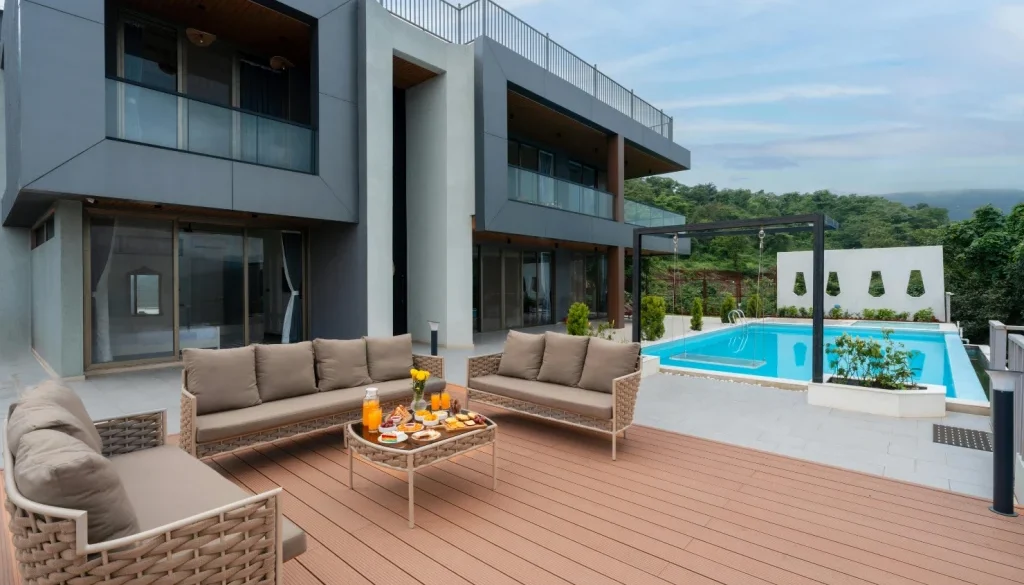
Summer Heat Is Changing What Homeowners Want From Pool Deck Surfaces
Summer heat can make a pool deck uncomfortable long before anyone gets into the water. Concrete and other hard surfaces exposed to direct sunlight can become hot underfoot, especially during long summer afternoons.
“But what should homeowners look for when choosing a pool deck surface that stays safer, more comfortable, and easier to maintain in hot weather?”
More homeowners are paying attention to surface color, texture, slip resistance, heat absorption, and overall durability when updating older pool decks. Options such as concrete coatings, decorative overlays, and stamped finishes can improve appearance while helping create a pool area that better fits everyday summer use.
Key Takeaways
- Lighter pool deck colors reduce heat.
- Texture improves traction around wet pools.
- Decorative overlays refresh aging concrete surfaces.
- Surface preparation improves coating performance significantly.
- Seasonal conditions affect long-term deck durability.
What Summer Heat Does To Pool Deck Surfaces
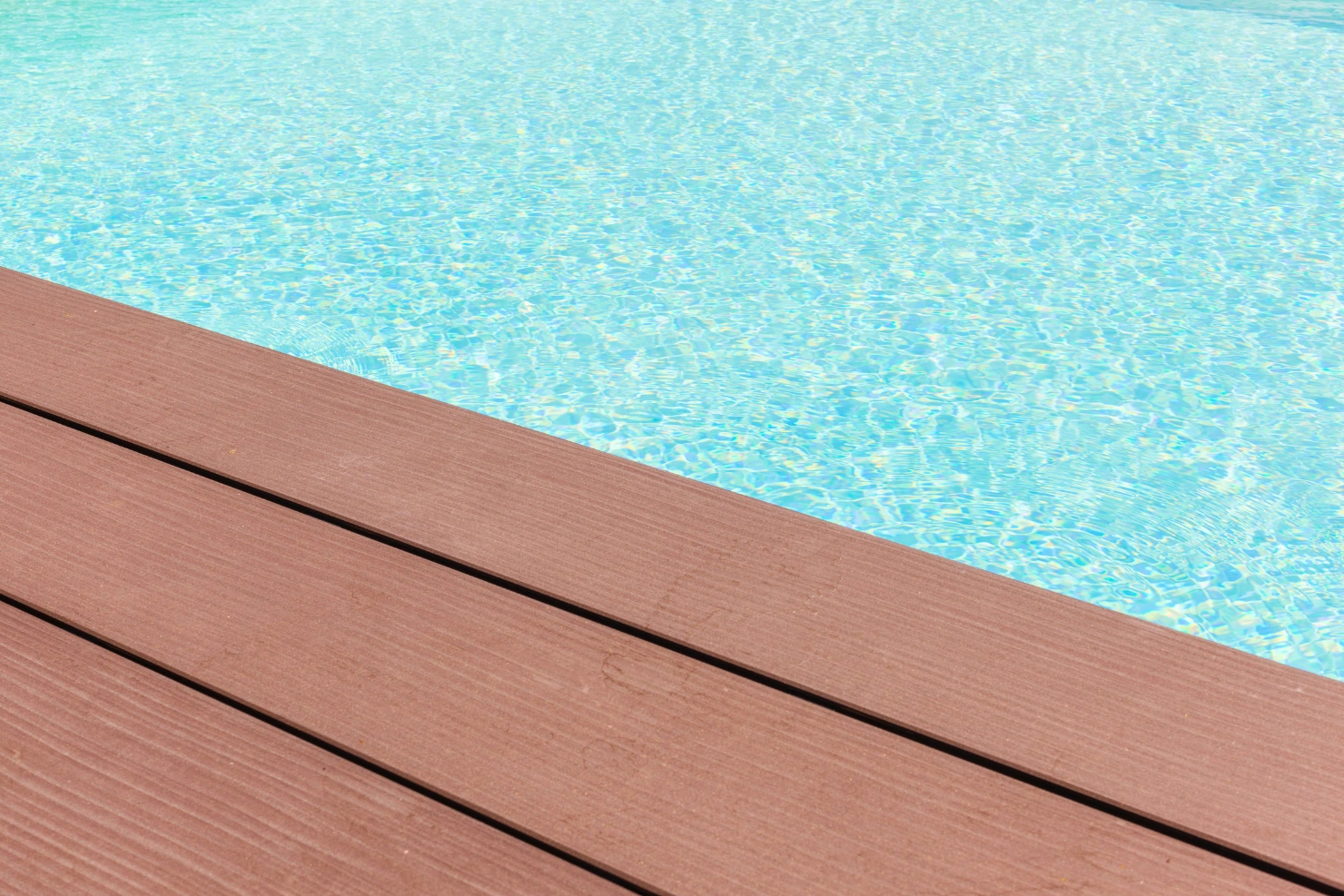
Pool decks receive hours of direct sunlight during summer, and the amount of solar energy a surface absorbs can affect how hot it becomes. Pavements with greater solar reflectance generally remain cooler because more sunlight is reflected instead of absorbed as heat.
Color is one factor, although the exact surface temperature also depends on the material, finish, shade, weather, and time of day. Darker surfaces generally have lower solar reflectance than lighter surfaces, so a very dark decorative finish may become noticeably hotter in direct sun.
Why Surface Temperature Matters Around The Pool
A pool deck is frequently used barefoot, which makes surface temperature more important than it might be on a driveway or walkway. A finish that looks attractive in spring may feel very different after sitting under intense July or August sunlight for several hours.
Excessive surface heat can discourage people from walking, sitting, or spending time around the pool during the hottest part of the day. Choosing a pool deck finish therefore involves balancing appearance with the practical conditions the surface will experience.
The Pool Deck Features Homeowners Prioritize Today
A modern pool deck needs to do more than coordinate with the house and landscaping. Homeowners increasingly consider everyday comfort and maintenance before selecting a finish.
Important characteristics include:
- A surface color that limits unnecessary heat absorption
- Adequate traction around frequently wet areas
- A texture comfortable enough for bare feet
- Resistance to regular outdoor exposure
- Compatibility with pool water and chemicals
- Easier routine cleaning
- Colors and patterns that fit the property
- A finish appropriate for the existing concrete condition
No single finish performs identically in every situation. The best choice depends on the condition of the deck, exposure to sunlight, desired appearance, and how the pool area is used.
Pool Deck Color Can Make A Noticeable Difference
Color should not be treated as a purely decorative decision around a swimming pool. Solar reflectance influences pavement temperature, and lighter surfaces generally reflect more sunlight than darker surfaces.
Lighter Surface Colors
Light beige, tan, cream, pale gray, and similar colors can be useful in areas exposed to intense sunlight. Their higher reflectance can help reduce solar heat absorption compared with darker versions of the same type of finish.
Concrete Network also recommends lighter colors when selecting pool deck paint because they tend to remain cooler during hot summer conditions.
Darker Surface Colors
Charcoal, deep brown, dark slate, and similar finishes can create strong visual contrast, but they usually absorb more solar energy.
That does not automatically make dark colors unsuitable. Homeowners should simply consider shade patterns and barefoot use before choosing a dark finish for a deck that receives uninterrupted afternoon sun.
Balanced Color Choices
A pool deck does not have to be bright white to address heat concerns. Medium tones, multicolor patterns, borders, and decorative accents can create visual depth while keeping large exposed areas relatively light.
Testing actual finish samples outside can provide a better sense of appearance than relying solely on indoor samples or photographs.
Comparing Popular Pool Deck Surface Options
Concrete painting, overlays, stamped concrete, and existing bare concrete all provide different benefits. Their performance depends heavily on the specific product, installation method, texture, color, and maintenance.
| Pool Deck Option | Heat Consideration | Traction Consideration | Appearance Options | Typical Application |
|---|---|---|---|---|
| Concrete Paint Or Coating | Lighter colors may reduce heat absorption | Anti-slip additives may be available | Broad color selection | Refreshing suitable existing concrete |
| Decorative Overlay | Can incorporate lighter colors and specialty finishes | Texture can improve traction | Patterns, colors, and textures | Resurfacing compatible existing slabs |
| Stamped Concrete | Temperature varies with color and finish | Texture and sealer selection matter | Stone, slate, brick, and other patterns | Decorative concrete installations |
| Bare Concrete | Temperature depends on color and exposure | Broom finishes can provide texture | Limited decorative flexibility | Functional existing pool decks |
The table is a starting point rather than a performance guarantee. Product specifications and installation requirements should always be considered before choosing a system.
Slip Resistance Becomes More Important During Summer
A pool deck regularly encounters splashing, wet feet, rain, and water carried from the pool. Surface traction therefore deserves as much attention as appearance.
Texture plays an important role. Broom finishes, textured coatings, and other intentionally textured surfaces can provide more grip than very smooth finishes. Some concrete sealers can also become slippery when wet, particularly when the surface has insufficient texture.
Homeowners should consider:
- Texture in high-traffic wet areas
- Slip-resistant additives when appropriate
- The effect of the selected sealer
- Barefoot comfort
- Proper cleaning to prevent buildup
Very aggressive textures are not automatically better because a pool deck still needs to remain comfortable to walk on barefoot.
Decorative Overlays Can Refresh Hot And Worn Concrete
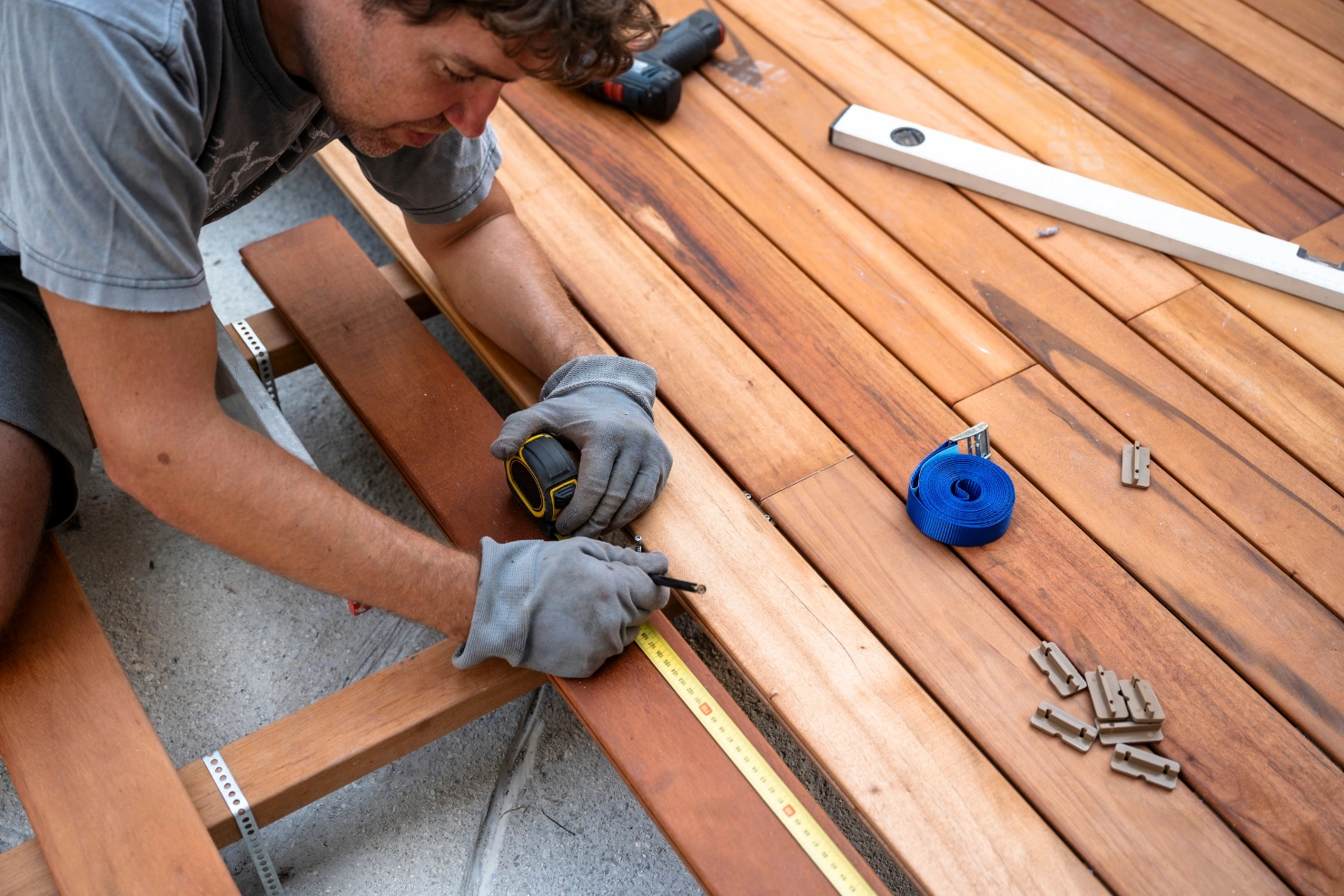
Decorative overlays can provide an alternative to removing an entire pool deck when the existing concrete is suitable for resurfacing. They can change the surface color, texture, and pattern while covering many cosmetic imperfections.
The underlying slab still needs to be evaluated first. An overlay should not be treated as a way to hide structural movement, unstable concrete, or conditions that require more substantial repairs.
Covering Surface Wear
A compatible overlay can help address worn-looking concrete, discoloration, and some surface deterioration. Concrete resurfacing systems are also available with finishes intended to increase solar reflectance and improve traction around pools.
Adding Better Texture
Decorative resurfacing gives homeowners more control over texture than simply repainting a smooth slab. Textured patterns can improve traction while helping the pool deck resemble stone or other decorative materials.
Updating Deck Colors
An overlay is also an opportunity to reconsider a dark or outdated color scheme. Lighter tones can be selected for heavily exposed areas, while darker accents can be reserved for borders or shaded sections.
Stamped Concrete Combines Texture And Decorative Appeal
Stamped concrete creates patterns by impressing molds into concrete while it is still workable. Depending on the pattern, it can resemble slate, stone, brick, tile, or other paving materials.
For pool areas, the decorative pattern should not be the only consideration. Color, texture, sealer type, drainage, and traction all matter. Non-skid additives can be incorporated into compatible sealers when additional traction is needed.
Stamped concrete can provide an upscale appearance without requiring individual pieces of natural stone, but it still requires proper installation and maintenance for outdoor poolside use.
Concrete Painting Can Be A Practical Pool Deck Update
Painting or coating an existing deck can make sense when the concrete is in suitable condition and the homeowner primarily wants to refresh its appearance.
Surface preparation is especially important. Dirt, incompatible coatings, loose material, moisture problems, or poorly prepared concrete can prevent a coating from performing as intended.
For poolside applications, homeowners should look for products intended for exterior concrete and evaluate:
- Slip-resistant characteristics
- Resistance to poolside chemical exposure
- Manufacturer surface-preparation instructions
- Permitted application temperatures
- Required drying or curing time
- Recoat and maintenance requirements
Pool deck coatings are also available in lighter colors and textured formulations intended to reduce heat absorption and improve traction.
Pro Tip: Before choosing a pool deck color, inspect the area during peak afternoon sunlight. A section that feels comfortable in morning shade may receive several hours of intense sun later, making color and finish selection much more important.
Signs Your Pool Deck Needs More Than A Cosmetic Update
Paint and decorative overlays can improve many surfaces, but they are not appropriate solutions for every concrete problem. The existing slab should be checked before resurfacing begins.
Conditions that deserve closer evaluation include:
- Large or widening cracks
- Noticeably uneven or settled sections
- Severe scaling or spalling
- Loose or crumbling concrete
- Drainage that sends water toward unwanted areas
- Coatings that repeatedly peel or delaminate
Scaling can occur when hardened concrete experiences repeated freezing and thawing, which is particularly relevant for exterior concrete in climates with winter freezes.
Fixing the underlying cause before applying a decorative system can reduce the likelihood of covering a problem that quickly reappears.
Pool Deck Surface Choices For Sterling, VA Summers
Pool decks in Sterling must handle more than summer heat. Northern Virginia experiences hot summers along with cold winter periods, so outdoor concrete can face moisture, temperature changes, and freeze-thaw exposure over the course of a year.
That makes durability an important part of surface selection. A finish chosen purely because it looks good in July may not be the best choice if it is poorly suited for outdoor concrete or local seasonal exposure.
A practical pool deck surface should combine summer comfort with year-round performance. Product instructions, substrate preparation, drainage, curing conditions, and ongoing maintenance all contribute to how well the finished surface performs.
Planning A Pool Deck Upgrade Before Peak Summer
Concrete coatings and overlays usually have specified installation conditions. Temperature, moisture, rain, surface preparation, and curing time can all affect when work should be completed.
Planning before the busiest swimming weeks can make it easier to allow the required curing or drying period without interfering with regular pool use. Homeowners should also avoid assuming that every warm day is automatically suitable for application.
Manufacturer requirements should guide the actual installation window because acceptable conditions vary among coating and resurfacing systems.
Final Thoughts
Summer heat is changing the way homeowners think about pool deck surfaces. Appearance still matters, but color, solar exposure, barefoot comfort, traction, durability, and maintenance can be just as important.
Concrete painting, stamped concrete, and decorative overlays each offer different ways to update a pool area. Choosing the right approach starts with understanding the existing concrete and selecting a surface that can handle both hot summer pool days and year-round outdoor conditions.



