
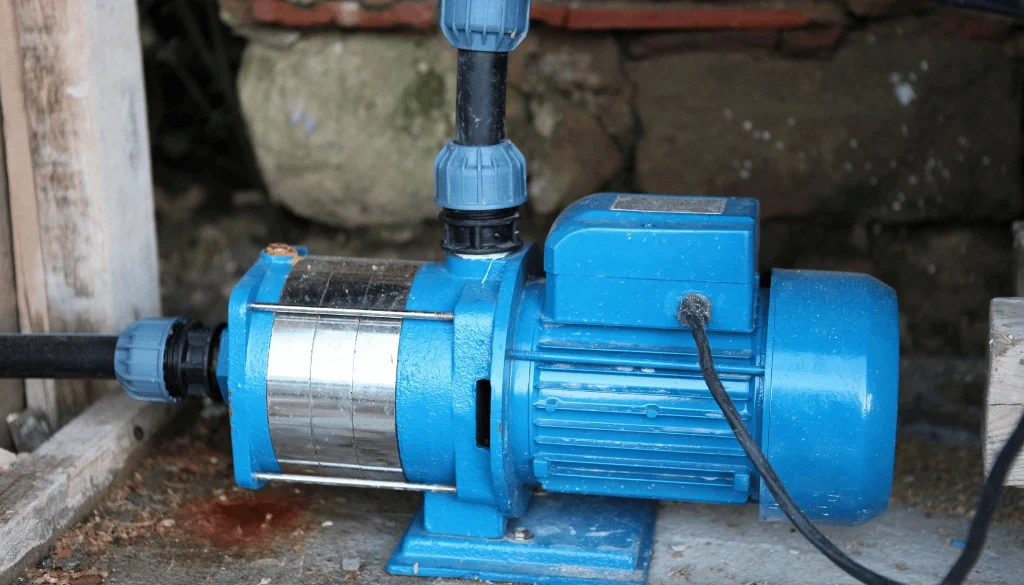
Essential Guide to Pool Pump Motor Troubleshooting
When your pool pump motor starts making strange noises, loses prime, or suddenly shuts off, it doesn’t just affect convenience—it puts the health of your entire pool at risk. The motor is the heart of your circulation system, pushing water through the filter so chemicals distribute evenly and contaminants are removed.
“But what do you do when that “heart” starts to fail and you’re not sure whether it’s a minor issue or a sign of serious damage?”
This essential guide to pool pump motor troubleshooting will walk you through the most common warning signs, simple checks you can do safely, and which problems should always be left to a licensed professional. Whether you’re a hands-on homeowner or just want to understand what your technician is doing, you’ll see how early detection, proper diagnosis, and timely repair keep your pool clean, clear, and safe to swim in.
Key Takeaways

Why Your Pool Pump Motor Matters
Before you can troubleshoot, it helps to understand why the pump motor is so important. This section explains how the motor supports your pool’s circulation, filtration, and overall water health.
The pool pump motor is the driving force that keeps water moving through the filtration system. As water passes through the skimmer, pump, and filter, debris is captured and chemicals are dispersed evenly. Without a properly working motor, circulation slows or stops, which allows dirt, algae, and bacteria to build up quickly.
In a climate like Sterling, VA, where pools see seasonal use, the motor also plays a key role in supporting heaters and sanitization systems. Poor circulation makes it harder to maintain stable water chemistry, increasing the risk of cloudy water, scaling, and corrosion in your equipment. In short, if the motor isn’t working correctly, no amount of vacuuming or chemical treatment will keep the pool truly healthy.
Early Warning Signs of Pool Pump Motor Trouble
Catching problems early is the best way to avoid sudden breakdowns. This section highlights the most common red flags that your pool pump motor may be heading toward failure.
- Unusual grinding, screeching, or high-pitched whining coming from the motor housing
- A loud humming sound with the motor failing to start or the pump not moving water
- Noticeably reduced water flow from the pool returns, even when the pool filter is clean
- The pump repeatedly losing prime or filling with air instead of staying fully flooded
- The motor feeling excessively hot to the touch or shutting off during a normal run cycle
- Circuit breakers or GFCI outlets tripping as soon as the motor tries to start
If you notice one or more of these symptoms, it’s a sign that something is wrong—whether that’s a blocked line, worn bearings, a failing capacitor, or an electrical issue. Addressing these warning signs quickly can prevent a complete motor burnout and more expensive repairs.
Safety First Before You Troubleshoot
Water and electricity are a dangerous combination, so you should never inspect a pool motor while it is energized. Turn off the power at the main breaker or dedicated pump switch, and confirm that the timer is off as well. If you have a GFCI outlet or breaker, verify that it is not supplying power before you get near the wiring or terminals.
Make sure the equipment pad is dry and your hands are dry when you’re working near electrical components. If you see exposed wires, melted insulation, or signs of burning, stop immediately and contact a professional. Basic visual checks and simple observations are safe for most homeowners, but internal electrical testing and repairs should only be done by a trained technician.
Simple Checks Homeowners Can Do Safely
Start by confirming that the pump is getting power. Look at the timer, automation system, or manual switch to verify the pump is scheduled to run. Then inspect your breaker panel to make sure the circuit for the pool equipment has not tripped.
Next, check your skimmer baskets, pump strainer basket, and filter pressure gauge. A clogged basket or extremely dirty filter will restrict water flow and put additional strain on the motor. Cleaning out debris and backwashing or rinsing the filter can return flow to normal and reduce the workload on the pump.
You should also look for air leaks on the suction side—loose pump lids, worn lid o-rings, or low water levels in the pool can cause the pump to lose prime. If the pump housing isn’t filling completely with water, the motor has to work harder and can overheat. Finally, listen and observe: note any unusual sounds, vibrations, or smells so you can clearly describe them to your technician if you need professional help.
Common Pool Pump Motor Problems and Likely Causes
Once you’ve done basic checks, it helps to match symptoms with possible causes. This section offers a quick-reference comparison of typical issues and whether they’re suitable for DIY attention or require a professional.
Here’s a simple table to guide you:
| Symptom | Likely Cause | DIY or Professional? |
|---|---|---|
| Motor hums but will not start | Failed start capacitor or seized bearings | Professional |
| Loud grinding or screeching | Worn motor bearings | Professional |
| Pump runs but flow is weak | Clogged baskets, dirty filter, or partially blocked suction line | DIY first, then professional if unresolved |
| Pump loses prime repeatedly | Air leak on suction side or low water level | DIY inspection, professional if leak persists |
| Frequent breaker tripping | Electrical fault, short, or motor overload | Professional |
| Visible water leak between pump and motor | Failing shaft seal | Professional |
| Motor very hot to the touch | Inadequate ventilation, long run times, internal motor issue | DIY ventilation check, professional diagnosis |
This table isn’t a replacement for a full diagnosis, but it helps you understand why your pump is acting up. Anything involving internal motor components, wiring, or repeated electrical problems should be treated as a professional repair—not a weekend experiment. In areas like Sterling, VA, a pool technician who handles pump motor repair daily can quickly tell the difference between a simple fix and a motor that’s at the end of its life.
When to Stop DIY and Call a Professional in Sterling VA
If your breaker or GFCI trips every time the motor starts, that’s a strong indication of an electrical fault or internal motor problem. Likewise, any burning smell, smoke, or visible scorching around the motor housing is a sign to shut everything down and call a professional immediately.
Grinding noises, seized shafts, or a motor that won’t start even after clearing baskets and verifying power all point to issues inside the motor or pump assembly. These repairs typically involve specialized tools, testing equipment, and replacement parts such as capacitors, bearings, and seals. A qualified technician—like the team at Residential Pool Service in Sterling, VA—will safely disconnect power, test components, disassemble the motor as needed, and then reassemble and test it before reconnecting it to your filtration system.
Pro Tip: The earlier you call a professional when you notice serious symptoms (like persistent tripping, burning smells, or loud grinding), the better your chances of saving the motor instead of having to replace the entire unit.
Preventive Maintenance to Extend Motor Life
Good troubleshooting also means preventing future problems. This section focuses on practical habits that keep your pump motor running smoothly for as long as possible.
- Keep skimmer baskets, pump baskets, and filters clean so the motor is not constantly fighting against high pressure and restricted flow.
- Maintain proper water level in the pool to prevent the pump from sucking in air and losing prime on a regular basis.
- Ensure the equipment pad has good ventilation and is free of leaves, dirt, and clutter that can trap heat around the motor.
- Have a professional inspect the pump, motor, and seals at least once a season in busy markets like Sterling, VA, especially before peak summer use.
- Monitor for gradual changes in sound, vibration, and flow—subtle changes often appear weeks before a complete failure.
These simple practices reduce strain on the motor, improve overall circulation, and help avoid emergency service calls at the height of the swimming season.
Keeping Your Pool Clear, Safe, and Running Smoothly
Troubleshooting a pool pump motor doesn’t mean you have to become an electrician or mechanic. Instead, it’s about recognizing early warning signs, performing safe and sensible checks, and knowing when it’s time to bring in an expert. By understanding how your pump motor supports circulation, filtration, and water chemistry, you’ll be better prepared to protect your investment and avoid unexpected pool shutdowns.
If your pool pump motor is noisy, weak, or won’t start, don’t wait for a complete failure. Contact Residential Pool Services LLC for professional diagnostics and repair in Sterling, VA. Our experienced technicians restore safe, efficient circulation so you can enjoy clear, comfortable water and uninterrupted swim time, all season.



