
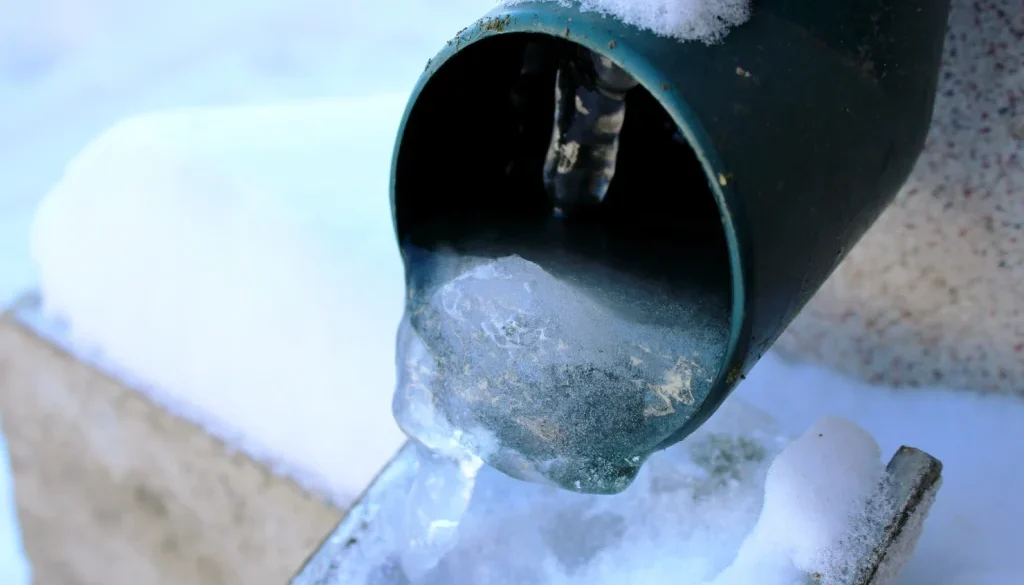
Avoid Frozen Pipes With Proper Pool Winterization
Freezing temperatures can cause serious damage to your pool plumbing, especially when water is left inside pipes, pumps, filters, or other equipment. As water freezes, it expands, creating pressure that can crack pipes, damage fittings, and lead to expensive repairs when spring arrives.
“So, how can proper pool winterization help you avoid frozen pipes before the cold weather hits?”
It starts with cleaning the pool, balancing the water, lowering the water level when needed, clearing the lines, protecting equipment, and securing the pool cover. With the right winterization process, homeowners in Sterling, VA can protect their pool system through the off-season and make spring opening much easier.
Key Takeaways
- Winterization helps prevent frozen pool pipes.
- Trapped water can crack pool plumbing.
- Fall scheduling reduces freeze damage risks.
- Proper covers protect pools through winter.
- Professional service safeguards equipment and lines.
Why Frozen Pool Pipes Are A Serious Problem
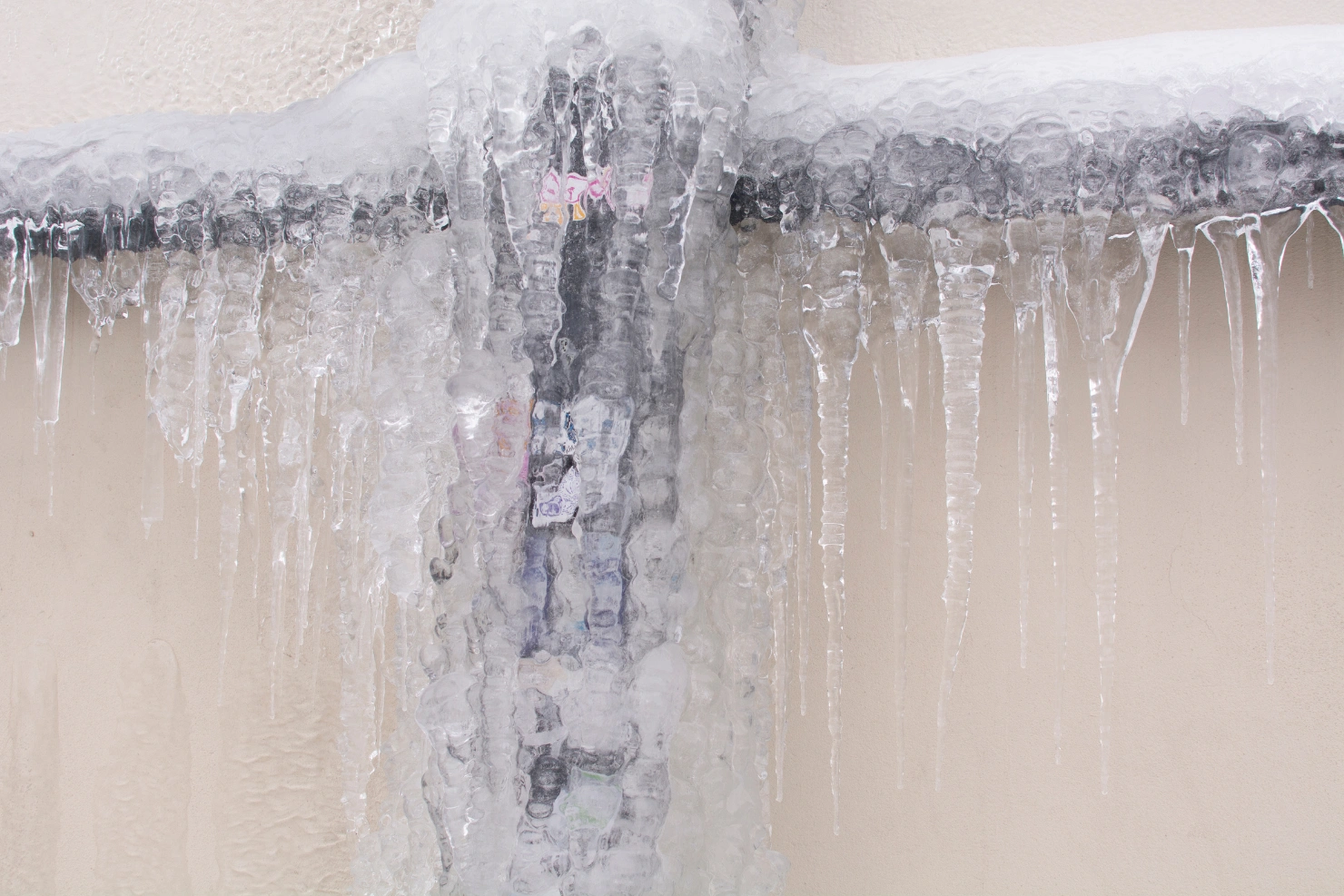
Frozen pool pipes are more than a seasonal inconvenience. They can cause hidden damage that affects your plumbing, circulation system, and pool equipment long after winter ends.
Pool plumbing is especially vulnerable because water can stay trapped inside lines if the pool is not closed properly. Once temperatures drop below freezing, that water expands. The pressure can crack PVC pipes, fittings, valves, skimmers, and connected equipment.
Water Expansion
Water expands when it freezes. Inside a pool line, that expansion has nowhere to go.
This pressure can split plumbing lines, loosen fittings, or damage underground connections. In many cases, the problem is not obvious right away because the pipe may be buried or hidden behind equipment.
Hidden Damage
One of the biggest problems with frozen pool pipes is that damage often appears later. A pool may look fine during winter, but problems can show up when the system is restarted in spring.
Signs of hidden freeze damage may include:
- Water leaking around equipment
- Low return pressure
- Air entering the system
- Unusual pump noise
- Water loss after opening
- Poor circulation
- Cracked fittings or valves
These issues can delay your pool opening and increase repair costs.
Costly Repairs
Frozen pool lines can lead to more than simple pipe repairs. If ice damages connected equipment, homeowners may also face pump, filter, heater, or valve replacement costs.
A rushed or incomplete pool closing can create problems that require digging, pressure testing, equipment repair, or full plumbing replacement. Proper winterization helps reduce that risk before freezing weather arrives.
How Pool Winterization Prevents Frozen Pipes
Pool winterization protects the parts of your pool that are most exposed to cold weather. The goal is to remove water from vulnerable areas, protect equipment, and prepare the pool for months of inactivity.
A proper winterization process does more than place a cover over the pool. It prepares the water, plumbing, equipment, and surface so the pool can sit safely through the off-season.
Important winterization steps often include:
- Removing leaves, dirt, and debris
- Brushing and vacuuming the pool
- Testing and balancing water chemistry
- Lowering the water level when needed
- Blowing water out of plumbing lines
- Plugging return lines and skimmers
- Draining pumps, filters, heaters, and chlorinators
- Adding winter chemicals when appropriate
- Installing a secure winter cover
- Checking the pool during the off-season
Each step plays a role. Cleaning prevents stains and organic buildup. Balanced water helps protect pool surfaces and equipment. Line clearing helps prevent freeze damage. A secure cover keeps debris out and reduces spring cleanup.
The Best Time To Winterize Your Pool In Sterling VA
Timing matters because winterization should happen before freezing temperatures become consistent. In Sterling, VA, many homeowners plan pool winterization during fall, often from late September through October.
The exact timing depends on weather, pool use, water temperature, and schedule availability. The key is to avoid waiting until the first hard freeze is already in the forecast.
Before First Freeze
Winterizing before the first freeze gives your pool plumbing and equipment the protection they need. Waiting too long can leave water inside exposed lines during sudden cold nights.
Northern Virginia weather can change quickly in fall. A warm week can be followed by freezing nighttime temperatures, which makes early planning important.
Cooler Water Helps
Cooler water slows algae growth. That makes fall a practical time to close the pool because the water is less likely to turn green under the cover.
Closing too early during hot weather can make algae control harder. Waiting until the water cools, but before freezing weather arrives, creates a better balance.
Avoid Late Closings
Late closings are risky because they can become rushed. If a cold front arrives and the pool has not been winterized, water in pipes and equipment can freeze.
Scheduling early also helps homeowners avoid limited appointment availability during peak pool closing season.
Key Pool Areas That Need Winter Protection
Every pool has several areas that need protection before winter. Some parts are easy to see, while others are inside the plumbing or equipment system.
A complete pool winterization service focuses on the full system, not just the visible pool surface.
Plumbing Lines
Pool plumbing lines move water between the pool and equipment. These may include suction lines, return lines, skimmer lines, cleaner lines, and main drain lines.
If water remains in these lines, it can freeze and expand. Properly clearing and sealing these lines is one of the most important parts of freeze protection.
Pool Equipment
Pumps, filters, heaters, chlorinators, valves, and other equipment must be drained and protected. These components often contain small spaces where water can remain trapped.
Even a small amount of leftover water can freeze and damage seals, housings, tanks, or internal parts.
Skimmers And Returns
Skimmers and return fittings are common freeze-risk areas. Skimmers can crack if water freezes inside them. Return lines can also be damaged if they are not cleared and plugged correctly.
Winter plugs, skimmer protection, and proper water level adjustment help reduce risk.
Pool Cover
A winter cover helps keep leaves, dirt, and debris out of the pool. It also reduces light exposure, which can help limit algae growth.
The cover must be secured properly. A loose cover can sag, collect water, allow debris into the pool, or become damaged during winter storms.
Pool Winterization Steps That Help Prevent Frozen Pipes
A strong winterization process follows a clear order. Skipping steps can leave the pool exposed to freeze damage, staining, algae growth, or equipment problems.
Here is how proper pool winterization usually helps protect against frozen pipes:
- Remove Debris
Leaves, twigs, and dirt should be removed before closing. Debris left in the pool can stain surfaces and break down under the cover. - Brush And Vacuum
Brushing walls, steps, benches, and corners removes buildup before the pool sits unused for several months. Vacuuming helps keep the water cleaner through winter. - Test The Water
Water chemistry should be tested before closing. Poorly balanced water can contribute to corrosion, scale, staining, or surface damage. - Balance Chemicals
pH, alkalinity, sanitizer, calcium hardness, and other levels should be adjusted based on pool type and water condition. Balanced water protects the pool while the system is off. - Lower Water Level
Some pools need the water lowered below certain fittings or skimmer openings. The correct level depends on the pool, cover type, and equipment setup. - Clear Plumbing Lines
Water should be removed from plumbing lines using the right equipment and pressure. This step is critical for preventing frozen pipes. - Plug Lines Properly
After lines are cleared, plugs help keep water from re-entering the plumbing. Incorrect plugs or loose seals can allow water back into the system. - Drain Equipment
Pumps, filters, heaters, and other components should be drained according to the equipment type. Drain plugs and fittings must be handled carefully. - Add Winter Products
Winter chemicals may help maintain water clarity and reduce algae growth. The right products depend on water condition and pool type. - Secure The Cover
The winter cover should fit properly and be secured. A well-installed cover protects the pool and reduces spring cleanup.
DIY Pool Winterization Vs Professional Pool Winterization
Some pool closing tasks are simple enough for homeowners to handle, but the most important freeze-protection steps require the right tools and experience. This is especially true when clearing plumbing lines and protecting equipment.
The table below shows which winterization tasks are usually safer for DIY work and which are better handled by professionals.
| Winterization Task | DIY-Friendly? | Why It Matters |
|---|---|---|
| Removing leaves and debris | Yes | Prevents staining, organic buildup, and dirty water under the cover |
| Brushing and vacuuming | Yes | Helps remove dirt, algae film, and buildup before closing |
| Testing water chemistry | Yes | Gives a clear starting point before chemicals are adjusted |
| Balancing pool water | Sometimes | Incorrect chemical adjustments can affect surfaces and equipment |
| Lowering water level | Sometimes | The right level depends on pool type, cover style, and fittings |
| Blowing out pool lines | Best for professionals | Leftover water can freeze, while too much pressure can damage lines |
| Plugging returns and skimmers | Best for professionals | Loose or incorrect plugs can allow water back into plumbing |
| Draining equipment | Best for professionals | Pumps, filters, heaters, and valves need proper handling |
| Installing the winter cover | Sometimes | A loose or poorly secured cover can fail during winter weather |
Professional pool winterization is often the safer choice because one missed step can lead to cracked pipes or damaged equipment.
Common Pool Winterization Mistakes To Avoid
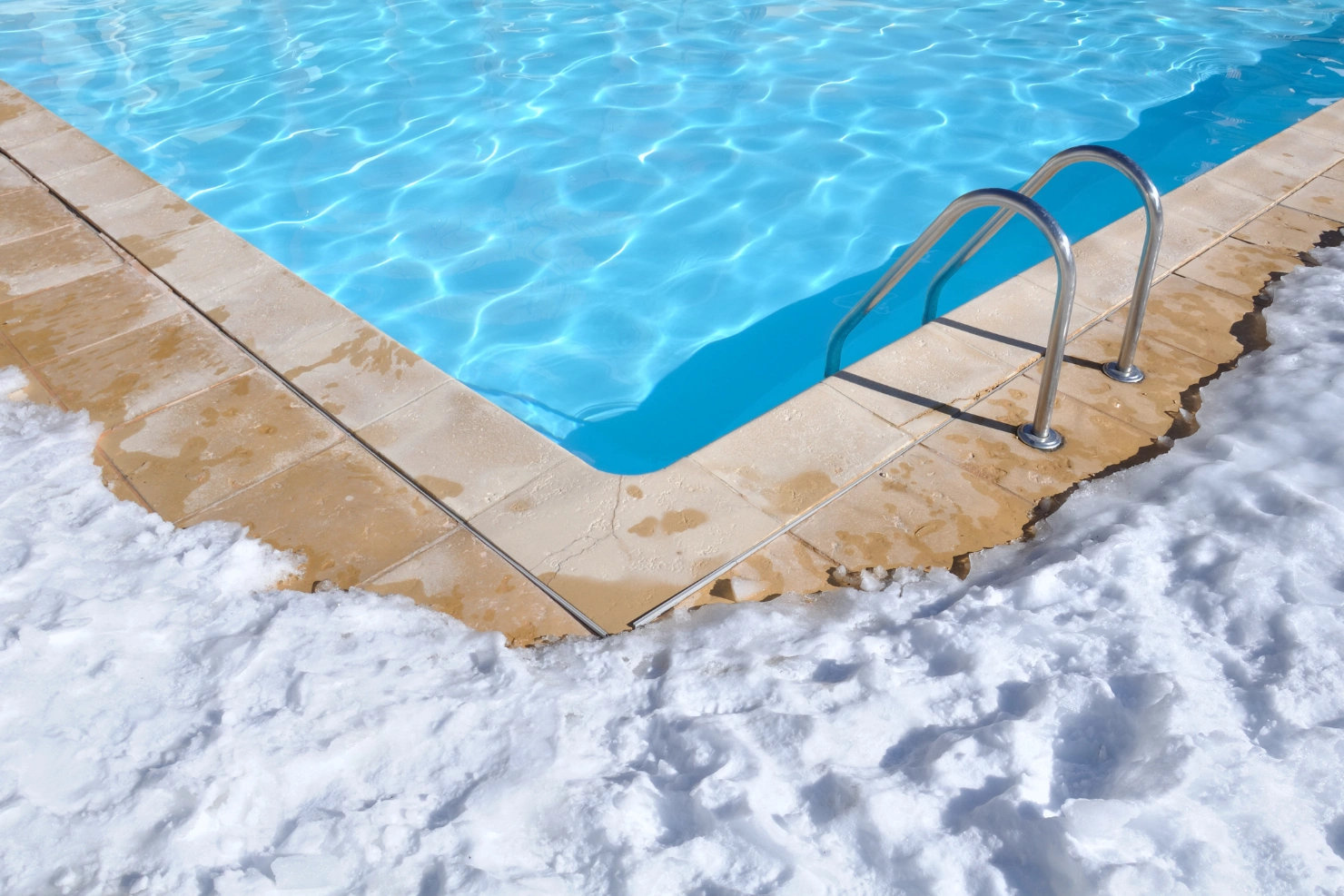
Small mistakes during pool closing can cause large problems after freezing weather arrives. A proper process helps prevent damage and keeps spring opening more manageable.
Homeowners should avoid these common winterization mistakes:
- Waiting until after the first freeze
- Closing the pool while the water is still too warm
- Leaving water inside plumbing lines
- Forgetting to protect skimmers
- Not draining pool equipment fully
- Using the wrong winter plugs
- Adding too many or too few winter chemicals
- Skipping water balancing before closing
- Installing a loose or damaged cover
- Ignoring the pool during the off-season
- Assuming every pool needs the same closing method
Different pools have different plumbing layouts, equipment setups, surfaces, and cover systems. That is why a one-size-fits-all approach can create avoidable problems.
Pro Tip: Schedule pool winterization before fall appointments fill up and before nighttime temperatures become unpredictable.
How Professional Pool Winterization Protects Your Pool
Professional pool winterization gives homeowners more confidence because trained technicians know where water can remain trapped. They also have the tools needed to clear lines and protect equipment correctly.
Residential Pool Service LLC provides pool winterization in Sterling, VA with a complete approach. The goal is to prepare the pool for freezing weather while helping protect plumbing, equipment, surfaces, and water quality.
Proper Line Clearing
Clearing pool lines is one of the most important winterization steps. If water remains in return lines, suction lines, or skimmer lines, freezing can create pressure and cause cracks.
Professionals use proper methods to move water out of the plumbing system and seal lines afterward. This helps reduce the risk of freeze damage during the coldest parts of winter.
Equipment Protection
Pool equipment needs careful attention before winter. Pumps, filters, heaters, chlorinators, valves, and related fittings may all hold water.
A professional closing helps make sure equipment is drained, protected, and prepared for the off-season. This can help extend equipment life and reduce repair issues in spring.
Off-Season Guidance
Winterization does not always end on closing day. Homeowners should still check the pool cover, remove excess debris when needed, and watch for water buildup.
Residential Pool Service LLC can also provide maintenance tips for the off-season so your pool stays protected until it is time to reopen.
Why Sterling VA Homeowners Should Plan Ahead
Sterling, VA has a true four-season climate, so pool owners should take winter preparation seriously. Freezing nights, wind, rain, and winter storms can all affect an unprotected pool.
Planning ahead gives homeowners enough time to schedule service, prepare the pool, and avoid last-minute stress. It also helps ensure the pool is winterized before cold weather creates risk.
Early pool winterization can help:
- Reduce the chance of frozen pipes
- Protect pumps, filters, heaters, and valves
- Prevent debris buildup under the cover
- Support better water quality during winter
- Make spring pool opening easier
- Lower the risk of emergency repairs
- Protect the value of your pool system
A properly winterized pool is easier to reopen because the water, equipment, and plumbing have been protected through the off-season.
Conclusion
Frozen pool pipes are preventable when the pool is closed correctly before winter. Proper pool winterization protects plumbing lines, skimmers, returns, pumps, filters, heaters, and other equipment from freezing temperatures.
For homeowners in Sterling, VA, the safest approach is to winterize before consistent freezing nights arrive. Cleaning the pool, balancing the water, clearing the lines, draining equipment, and securing the cover all work together to protect your pool during the off-season.
Residential Pool Service LLC provides professional pool winterization in Sterling, VA to help homeowners avoid frozen pipes, reduce winter damage, and prepare for an easier spring opening. Contact Residential Pool Service LLC to schedule your pool winterization service before cold weather puts your pool system at risk.



