
The Weekly Pool Skimmer Maintenance Checklist
“But when was the last time you checked the skimmer basket, cleared the skimmer throat, and brushed the waterline instead of only grabbing what you could see?”
This weekly pool skimmer maintenance checklist breaks the process down into quick, repeatable steps you can follow in minutes—so your pool stays clearer, your equipment runs smoother, and small issues don’t turn into expensive repairs.
Key Takeaway
- Skimmer upkeep prevents debris from sinking.
- Empty baskets weekly to keep flow.
- Clean skimmer throat for strong suction.
- Brush waterline to stop oily buildup.
- Proper water level improves skimming.
Why Weekly Skimmer Maintenance Matters
Weekly skimmer maintenance matters because the skimmer is both a cleaning tool and a protection device for your equipment. When the skimmer basket is clear and the opening is unobstructed, water can flow smoothly into the system, carrying away surface debris before it sinks. That helps reduce the load on the pump and filter, which can extend equipment life and keep water quality more stable with fewer chemical swings.
Skipping skimmer upkeep can create a chain reaction: debris piles up, water movement slows, and more contaminants remain in the pool long enough to decompose. Organic material like leaves and insects can raise chlorine demand and contribute to algae-friendly conditions, especially when combined with warm water or sunlight. A small weekly habit prevents the common scenario where a “quick skim” turns into a bigger cleanup and an avoidable equipment headache.
How A Pool Skimmer Works
A pool skimmer works by pulling a thin layer of surface water into an opening on the pool wall (or an attached unit for many above-ground pools). Because the surface layer is where most floating debris collects, this design lets the pool remove contaminants efficiently. Inside the skimmer is a basket that catches larger debris so it doesn’t move deeper into the plumbing, where it could clog lines or reach the pump.
Many skimmers also include a floating flap called a weir door that helps trap debris by limiting backflow when the pump turns off. After water passes through the skimmer basket, it travels to the pump strainer basket and then through the filter, where smaller particles are removed. When any of these “capture points” are dirty or restricted, circulation drops—and the pool surface often becomes the first place you notice the problem.
Your Weekly Pool Skimmer Maintenance Checklist
This checklist is designed to be realistic: quick enough to do weekly, detailed enough to prevent the most common skimmer issues, and simple enough that you can spot problems early. The goal is to keep surface debris from sinking, keep suction consistent, and reduce unnecessary strain on your filtration system. If you do these steps once a week (and more often during heavy debris), you’ll typically see cleaner water and more dependable circulation.
Weekly Checklist Table
| Checklist Item | What To Do | Why It Matters | Common Mistake To Avoid |
|---|---|---|---|
| Surface Scan | Remove obvious floating debris first | Prevents fast basket clogs and reduces organic load | Waiting until debris sinks |
| Empty Skimmer Basket | Dump, rinse, and reseat basket correctly | Maintains steady water flow and capture capacity | Leaving basket packed or misaligned |
| Clear Skimmer Throat | Check the opening for leaves/twigs blocking flow | Prevents weak suction and surface “dead zones” | Assuming the basket is the only clog point |
| Check Weir Door (If Present) | Ensure it swings freely and isn’t stuck | Helps trap debris and improves skimming efficiency | Ignoring a stuck or missing weir |
| Brush The Waterline | Light brush/wipe at the waterline | Prevents oily film buildup and early staining | Only brushing walls and skipping waterline |
| Inspect Skimmer Lid/Seal | Confirm lid fits securely and isn’t cracked | Improves safety and keeps the skimmer protected | Using a warped lid that doesn’t seat |
| Verify Water Level | Keep water around mid-skimmer opening | Prevents air intake and protects pump performance | Running water too low and pulling air |
| Quick Flow Check | Look for strong pull and normal circulation | Catches early issues before they become repairs | Ignoring bubbles, noise, or weak pull |
Step 1: Scan The Surface And Deck Area First
Start by walking the pool perimeter and looking for the “easy wins”—clusters of leaves, insects, or windblown debris that are likely to overwhelm the skimmer basket quickly. This matters because surface debris can break apart and spread, and larger material can clog the skimmer opening before it ever reaches the basket. A quick surface scan also helps you spot patterns, like one corner collecting more debris due to wind direction or return jet placement.
If you remove the heaviest debris first, the skimmer can handle the smaller floating contaminants more efficiently during normal circulation. This also reduces how often you’ll need to empty baskets during peak seasons. In Sterling, VA, windy days, trees, and seasonal pollen can make “light debris” accumulate faster than most pool owners expect, so this first step keeps the rest of your checklist faster.
Step 2: Empty And Rinse The Skimmer Basket
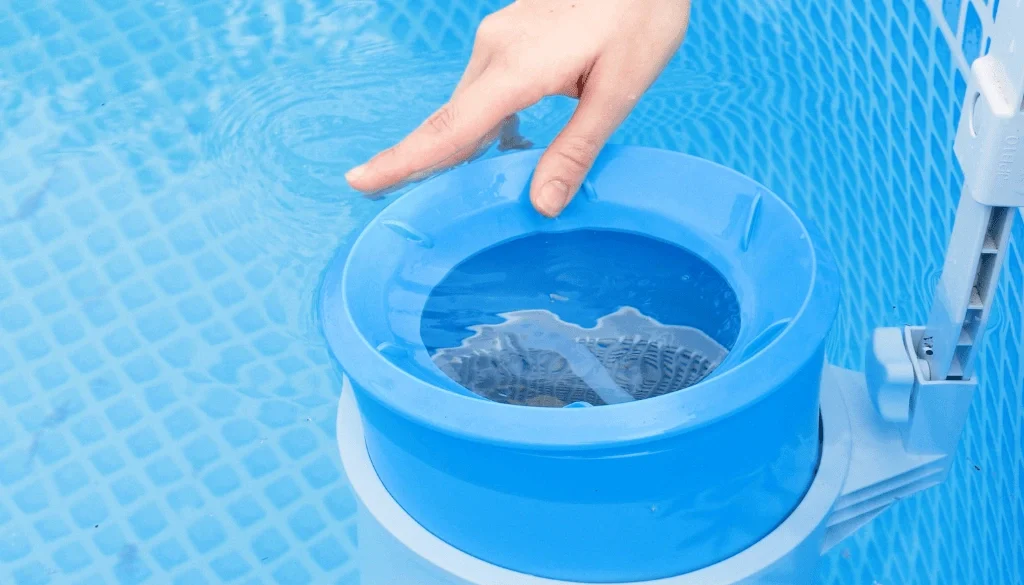
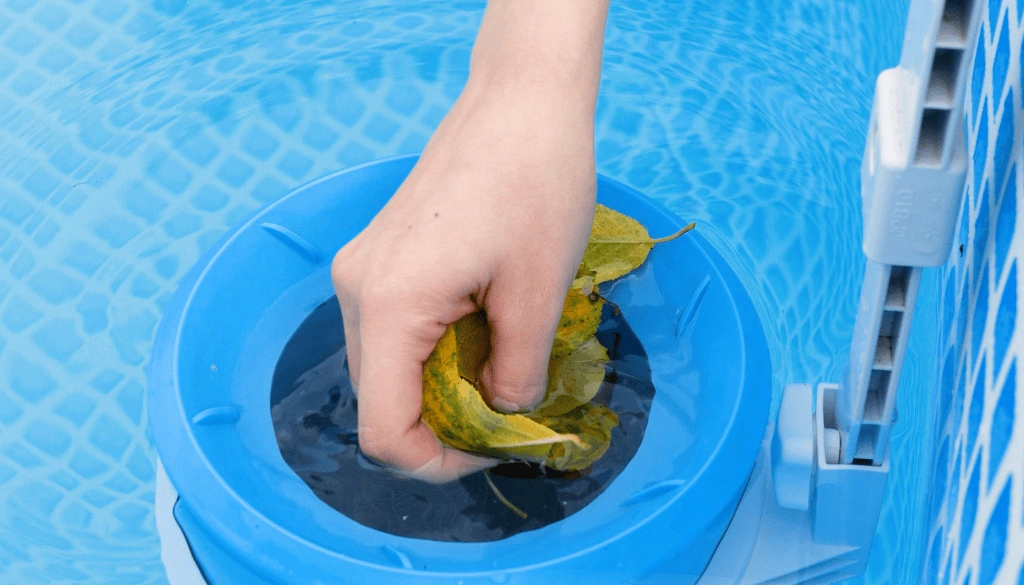
Turn off the system if needed for safety and to prevent debris from being pulled deeper while you work. Remove the skimmer lid, lift out the basket, and dump debris into a trash bag (not onto the deck where it can blow back in). Rinse the basket so smaller particles don’t harden or mat together. When you reinstall it, make sure it sits flat and properly aligned so water can pass through evenly.
A full or partially clogged skimmer basket restricts flow and can reduce suction at the surface. That means debris may float past the skimmer instead of being captured. It also increases the chance of debris bypassing the basket and reaching the pump basket, which creates additional maintenance and can contribute to circulation problems. This single step is one of the simplest ways to keep your system running smoothly.
Step 3: Check For Obstructions In The Skimmer Throat
Even with an empty basket, the skimmer can underperform if the throat (the opening where water enters) is blocked by leaves, pine needles, or small debris clumps. Look into the skimmer opening and feel around the edges carefully for packed material, especially after storms or heavy leaf fall. This area is a common choke point because debris can wedge itself against the weir door or the entry path.
If you notice swirling debris that never seems to get pulled in, a partially blocked skimmer throat is one of the first things to rule out. Clearing this area helps restore normal surface pull and improves overall circulation. It’s also a good moment to check for anything unusual like cracks, loose parts, or sharp edges that could snag debris and create repeat clogs.
Step 4: Inspect The Weir Door (If Your Skimmer Has One)
If your skimmer has a weir door, confirm it moves freely and returns to position without sticking. The weir helps trap debris by allowing water to flow in while limiting what floats back out when the pump shuts off. When it’s stuck or missing, debris can drift away instead of staying captured, and surface cleaning becomes less effective even when the pump is running normally.
A weir door can stick due to debris buildup, warping, or misalignment. If it’s not moving smoothly, cleaning around the hinge area and removing small debris can help. If the door is damaged or missing, replacing it often restores skimming efficiency quickly. This is a small component that makes a big difference in how well your pool captures floating contaminants.
Step 5: Brush And Wipe The Waterline
The waterline is where oils, sunscreen residue, airborne dust, and other contaminants tend to collect. Over time, that buildup can form a visible ring and create a surface that algae can cling to more easily. Brushing the waterline weekly helps prevent stains from setting in and reduces the “film layer” that can make your pool look dull even when the water chemistry is otherwise acceptable.
Use a pool brush or a gentle pad suitable for your surface type and focus on the tile line or upper wall area where the water meets the pool. This step supports skimming because oils and light debris often sit on the surface and waterline together. When the waterline is cleaner, the pool generally looks clearer and stays easier to maintain between deeper cleanings.
Step 6: Inspect The Skimmer Lid And Surrounding Area
A skimmer lid should fit securely and remain intact, because it’s a safety feature as well as a protective cover. Check for cracks, warping, or loose seating that could allow debris to fall in around the edges or create a tripping hazard. Also inspect the area around the skimmer opening for leaves and dirt that could wash into the skimmer during rain or when the deck is hosed down.
Keeping the lid and surrounding area clean also prevents the “invisible mess” problem, where debris enters the skimmer not from the pool surface but from the deck and landscape runoff. In practical terms, this means fewer surprise basket clogs and less organic material feeding water quality issues. It’s a quick check that often saves time later in the week.
Step 7: Confirm The Water Level Is Skimmer-Friendly
Water level directly affects skimmer performance. If the water is too low, the skimmer can start pulling air, which reduces suction and can cause pump performance issues. If the water is too high, surface debris may not enter the skimmer effectively because the waterline sits above the ideal capture zone. A good rule of thumb is to keep the water roughly around the middle of the skimmer opening.
This matters because steady water flow supports steady filtration and more consistent chemical mixing. When water level is off, you may notice weaker surface movement, debris collecting in corners, or air bubbles returning to the pool. Weekly checks keep you ahead of evaporation, splash-out, and backwash losses, especially during periods of temperature swings or heavy pool use.
Step 8: Do A Quick Flow And Performance Check
After cleaning and reassembling everything, observe the surface near the skimmer while the system runs. You want to see a steady pull drawing debris toward the skimmer rather than aimless drifting. Also glance at return jets for normal circulation and watch for unusual air bubbles. If the pump sounds louder than usual or you notice erratic flow, it’s a sign something is still restricting circulation.
This final check is valuable because it confirms your maintenance actually improved performance. It’s also how you catch early warning signs before they become bigger problems—like recurring clogs, air entering the system, or weak suction that could indicate a blockage elsewhere. A 60-second observation can prevent hours of troubleshooting later, especially during high-debris weeks.
Pro Tip: A lot of skimmer problems are actually “basket problems” happening in two places: the skimmer basket and the pump strainer basket. If your skimmer basket has been packed with debris, there’s a good chance the pump basket has collected smaller fragments too. Building a weekly habit of checking both baskets—especially after storms or heavy leaf drop—can restore flow faster and reduce the odds of debris reaching the filter and slowing circulation.
Above-Ground Pool Skimmer Notes
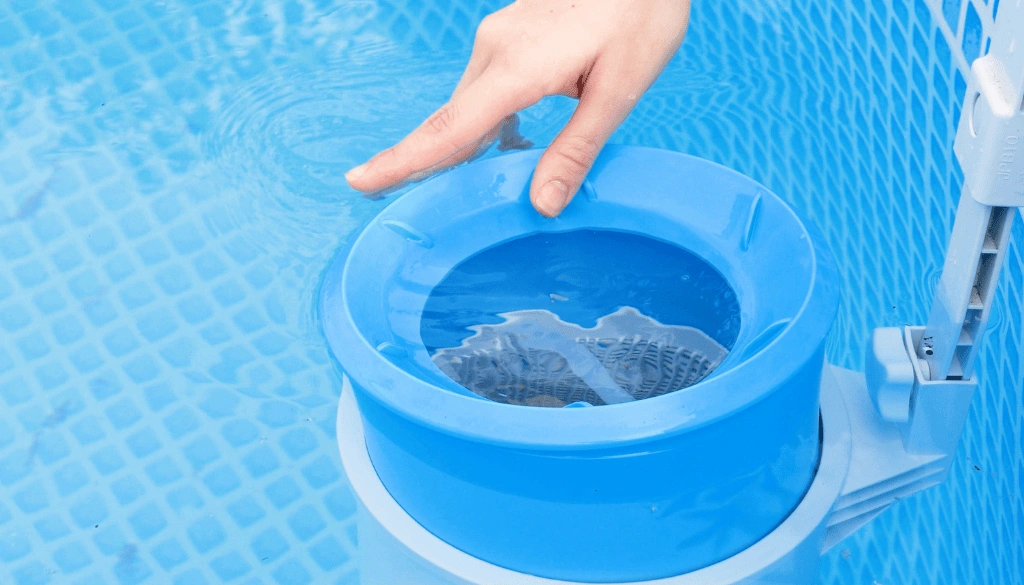
Above-ground pool skimmers often use an attached skimmer unit or a through-wall setup, and performance can vary more depending on water level, alignment, and how securely the skimmer is mounted. That’s why weekly inspection is especially helpful: a small shift in position, a slightly loose connection, or a minor obstruction can noticeably change surface pull. The goal remains the same—capture debris before it sinks—but the equipment layout may require extra attention.
If you use an above-ground pool skimmer, check that fittings are secure and that the skimmer face is positioned to pull surface water effectively. Also make sure the basket and opening are clear, because above-ground pools can experience faster surface loading from wind and nearby landscaping. When skimming seems “weak,” it’s often a simple cause like water level, a clogged entry point, or a basket seated incorrectly rather than a complicated mechanical issue.
Trouble Signs That Mean More Than Weekly Maintenance
Weekly maintenance prevents most issues, but it also helps you identify when something bigger is going on. If you’re doing the checklist consistently and still see poor skimming, rapid debris return, or unusual system behavior, that’s your cue to investigate further. Skimmer-related problems are often early signs of restricted flow, air entering the system, or an imbalance between suction and return circulation that needs correction.
Here are common red flags to watch for:
- Skimmer basket fills unusually fast every day
- Debris “swirls” and never gets pulled in
- Air bubbles returning to the pool
- Pump sounds louder or changes tone
- Waterline ring returns quickly after cleaning
- Cloudy water persists despite routine cleaning
When these signs show up, the most productive next step is to check for hidden obstructions (like debris packed in the skimmer throat), confirm water level is correct, and inspect baskets beyond the skimmer. If the symptoms persist, professional service can help pinpoint whether the issue is circulation, equipment wear, or a blockage that isn’t visible from the pool deck.
Tools That Make Weekly Skimmer Care Faster
Having the right basic tools makes skimmer maintenance quicker and more consistent, which is the real secret to staying ahead of debris. You don’t need a complicated setup—just a few reliable items that help you remove contaminants before they sink and make your system work harder. When you can finish the routine quickly, you’re more likely to actually do it weekly, even during busy weeks.
Recommended tools for weekly skimmer care:
- Telescopic pole with skimmer net
- Pool brush for waterline and upper walls
- Gloves for handling wet debris
- Small rinse bucket or hose access
- Trash bag for quick disposal
- Optional skimmer sock (useful during heavy fine debris like pollen)
These tools support a simple workflow: remove big debris first, keep baskets clear, and prevent buildup at the waterline. In high-debris conditions, a skimmer sock can help catch fine material, but it should be monitored because it can restrict flow if it clogs quickly. The goal is always clean capture without choking circulation.
Weekly Routine By Season
Seasonal changes affect how quickly debris loads the surface, so a “weekly” plan should be flexible rather than rigid. The checklist stays the same, but frequency may increase when pollen, leaves, or storms spike debris levels. In Sterling, VA, spring pollen and fall leaf drop are especially common reasons a pool that looked fine last week suddenly looks messy today, even if the equipment is working.
In spring, focus on fine debris like pollen that can collect quickly and create surface film, making skimming feel less effective unless baskets are emptied more often. In summer, the waterline becomes a bigger priority because sunscreen oils and increased swimmer load contribute to rings and surface haze. In fall, leaves can overwhelm baskets fast, so surface removal before circulation runs can prevent rapid clogs. During windy weeks any time of year, a quick midweek skim can keep your weekly maintenance from turning into a bigger cleanup.



