
Why Pool Walls Get Dirty Even When The Filter Runs Daily
A pool filter can run every day and still leave walls, steps, and corners looking dull, slimy, or stained. That happens because filters clean the water, but they do not scrub the surfaces where algae, dirt, oils, and minerals can cling.
“So why do pool walls get dirty even when the filter seems to be doing its job?”
The answer comes down to circulation limits, surface buildup, and the need for regular brushing. Pool brushing helps loosen debris before it turns into bigger problems, keeping the pool cleaner, clearer, and easier to maintain.
Key Takeaways
- Filters clean water, not pool surfaces.
- Brushing removes buildup before algae spreads.
- Dead spots collect dirt and debris.
- Chemicals work better after proper brushing.
- Professional brushing supports clearer pool water.
How Pool Filters Actually Work
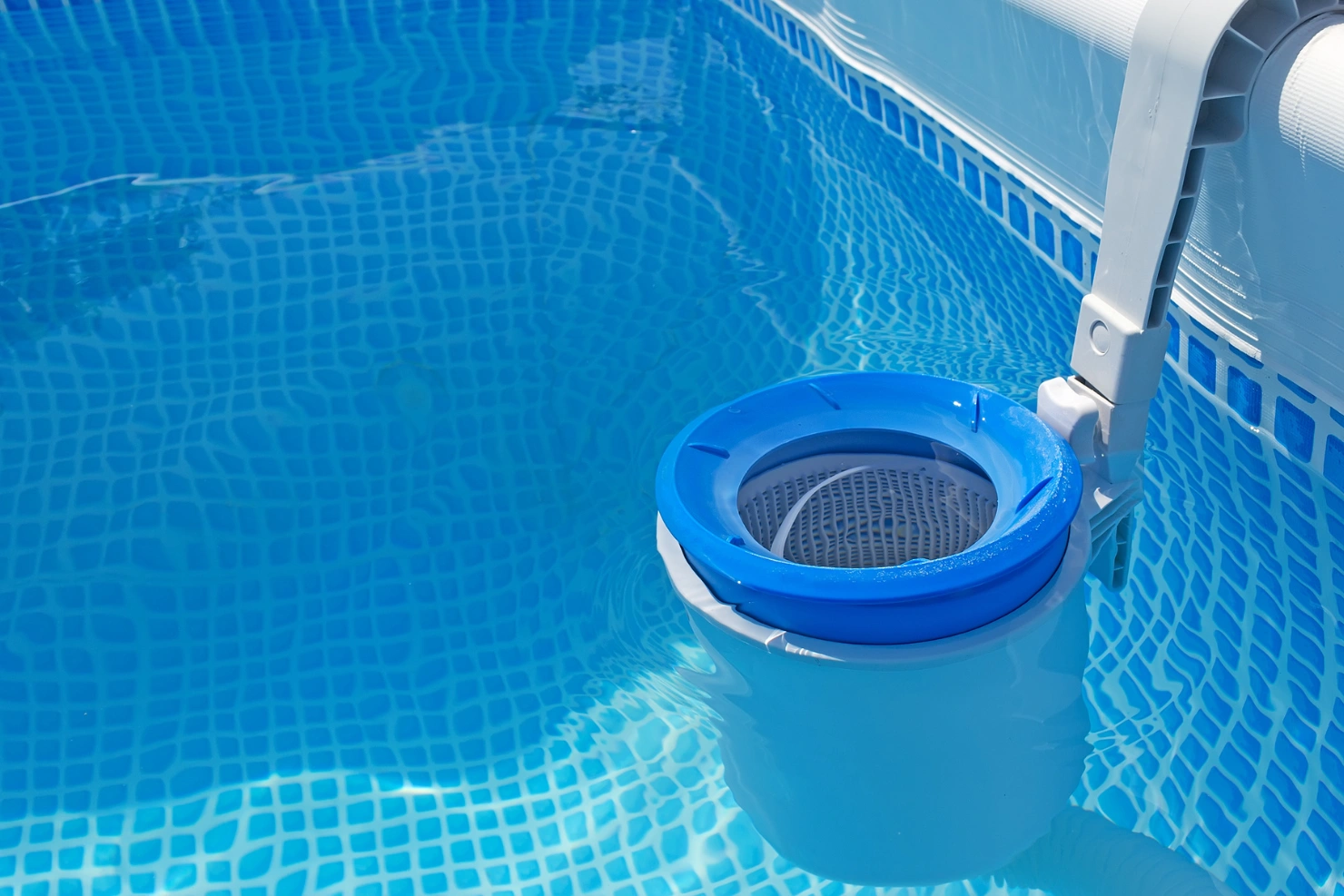
A pool filter is important, but it has one main job: remove particles that move through the water. It cannot reach every surface inside the pool by itself.
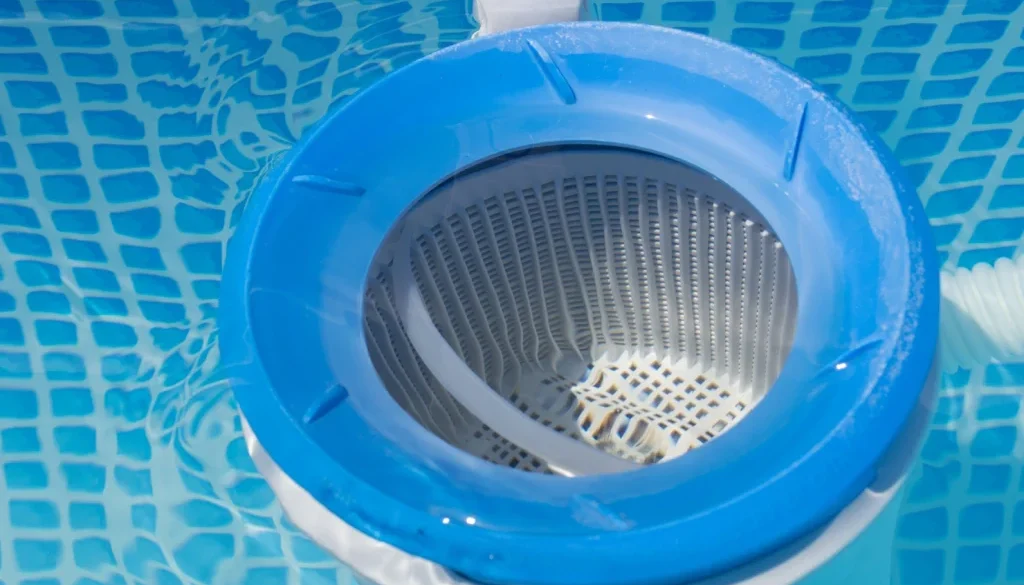
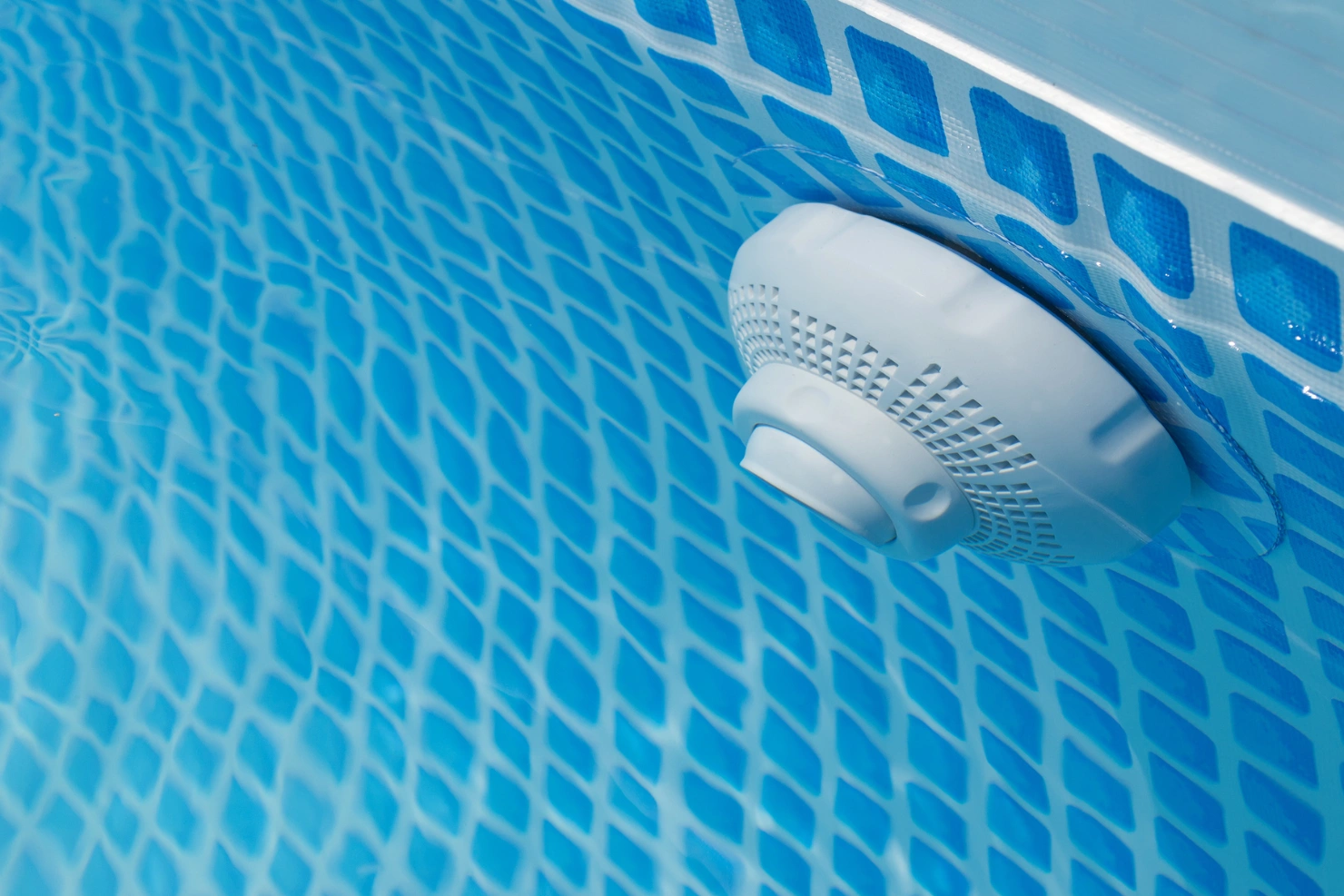
Pool water moves through the skimmer, pump, filter, and return jets. As the system runs, it catches floating debris, small particles, and contaminants suspended in the water. This helps improve clarity, but the filter can only clean what reaches it.
Dirt stuck to the walls, floor, steps, benches, ladders, and corners may stay in place. Without brushing, that buildup can remain attached even when the water looks clean from the surface.
Why Pool Walls Still Collect Dirt
Pool walls collect more than leaves and visible debris. Many contaminants are too fine to notice at first, but they can create a thin film over time.
Common causes of dirty pool walls include:
- Sunscreen and body oils
- Pollen and dust
- Algae spores
- Calcium and mineral deposits
- Dirt from swimmers’ feet
- Fine debris after storms
- Organic matter from trees and plants
These materials can stick to pool surfaces before the filtration system has a chance to catch them. Once they cling to the walls, pool brushing is needed to loosen them.
That is why a pool can have clear water but still feel slippery along the steps or look dull near the waterline. Surface buildup often starts small, then becomes easier to see as it collects more dirt and algae.
Dead Spots In Pool Circulation
Every pool has areas where water moves more slowly. These areas are often called dead spots, and they are common places for algae and debris to collect.
Even a well-running filter depends on circulation. If water movement is weak in certain areas, debris may settle instead of moving toward the skimmer or drain. Brushing helps disturb those areas and push debris back into the water so the filter can remove it.
Corners And Steps
Corners, steps, benches, and ladders often collect dirt first. These areas have angles and edges where water does not move as strongly.
Swimmers also step, sit, and hold onto these areas, which adds oils, lotions, and dirt. Regular brushing keeps buildup from turning into slippery patches or early algae growth.
Waterline Buildup
The waterline is one of the most common places for visible residue. Sunscreen, body oils, pollen, minerals, and airborne debris can collect where the water meets the pool wall.
Without brushing, this line can become harder to remove. Routine brushing helps break up the residue before it becomes a stubborn ring.
Pool Floor Areas
Dirt naturally settles on the pool floor. A vacuum helps remove settled debris, but brushing helps loosen material that sticks to the surface.
Brushing and vacuuming work best together. Brushing breaks debris free, and vacuuming or filtration helps remove it from the pool.
The Role Of Algae In Dirty Pool Walls
Algae can cling to pool surfaces before the water turns green. That is why early algae problems often show up as slippery walls, green dust, or dark patches in shaded corners.
Algae growth becomes more likely when chlorine is low, pH is unbalanced, circulation is poor, or the pool gets heavy use. Warm weather can also speed up algae growth, especially during summer.
Brushing helps because it disrupts algae before it spreads. Once loosened, algae becomes easier for chlorine and filtration to handle.
Why Chemicals Alone Are Not Enough
Pool chemicals are important, but they work better when the pool surfaces are clean. If algae, oils, or biofilm cling to the wall, sanitizers may not reach the surface as effectively.
Chlorine and other sanitizers work in the water, but buildup can form a layer on walls and steps. Brushing breaks that layer apart and exposes problem areas.
This is especially important before shocking the pool. If algae is attached to the walls, brushing first helps the treatment reach more of the affected surface.
How Often Pool Walls Should Be Brushed
Most residential pools benefit from weekly brushing. Some pools need it more often based on use, weather, surface type, and nearby landscaping.
Pools may need more frequent brushing when:
- The pool is used often
- The weather is hot
- Trees drop leaves, pollen, or seeds nearby
- Algae appears on walls or steps
- The pool was recently shocked
- The water looks cloudy
- The pool has rough plaster or concrete surfaces
Concrete and plaster pools usually need more brushing than vinyl or fiberglass pools because rougher surfaces give algae and debris more places to cling. Vinyl and fiberglass pools still need brushing, but they require the right brush to avoid surface damage.
Pool Surface Types And Brushing Needs
Different pool surfaces need different care. The wrong brush can damage a surface, while the right brush can clean more effectively.
| Cleaning Option | Best For | Surface Impact |
|---|---|---|
| Brushing | Light dirt, dust, and early algae | Low |
| Chemical Treatment | Active algae and water balance issues | Low |
| Spot Stain Treatment | Isolated stains or small problem areas | Moderate |
| Filter Cleaning | Poor circulation and cloudy water support | Low |
| Acid Washing | Severe staining, scale, and embedded buildup | High |
| Resurfacing | Failed, rough, or worn-out plaster | Full surface replacement |
Using the correct brush matters. A brush that is too aggressive can damage vinyl or fiberglass, while a brush that is too soft may not clean rough plaster well enough.
Best Times To Brush Your Pool
Brushing works best when it is part of a regular cleaning routine. It is also helpful after events that add debris or disturb water balance.
Good times to brush include:
- After heavy swimming
- After storms or windy weather
- Before shocking the pool
- After algae treatment
- During hot summer weeks
- When walls feel slippery
- When stains or dull areas appear
- After adding certain pool chemicals
Brushing before treatment is especially useful because it helps loosen buildup. Brushing after treatment can also help remove dead algae and leftover debris from the surface.
What Professional Pool Brushing Includes
Professional pool brushing is more than pushing a brush around the pool. A trained pool technician looks for buildup, algae, stains, surface damage, and areas with poor circulation.
Residential Pool Service LLC provides pool brushing as part of a complete maintenance approach. The goal is to clean the surfaces, support better water quality, and help prevent problems from spreading.
A professional pool brushing visit may include:
- Inspecting pool walls, steps, floor, and waterline
- Identifying algae, stains, or calcium buildup
- Choosing the right brush for the pool surface
- Brushing corners, ladders, benches, and steps
- Loosening debris so filtration can remove it
- Checking areas where circulation may be weak
- Recommending follow-up cleaning if needed
This service helps homeowners avoid the common mistake of relying only on filtration. Filters are useful, but brushing completes the cleaning process.
Common Pool Brushing Mistakes
Pool brushing seems simple, but small mistakes can make it less effective. Some mistakes can even damage the pool surface.
Avoid these common issues:
- Brushing only when algae is visible
- Ignoring steps, corners, and benches
- Using a metal brush on vinyl or fiberglass
- Brushing too quickly
- Skipping the waterline
- Relying only on chemicals
- Waiting until the pool feels slippery
- Forgetting to brush after storms
The best results come from consistency. Brushing a little each week is easier than removing heavy algae or stains later.
Pro Tip: Brush the pool before shocking or adding algae treatment. This helps break up algae, film, and dirt attached to the walls, steps, and corners. Once the buildup is loosened, chemicals can reach more of the affected surface, and the filter can remove more debris from the water.
When To Schedule Professional Pool Brushing
Professional brushing is helpful when the pool needs more than basic upkeep. It is also useful for busy homeowners who want cleaner water without guessing what the pool needs.
Schedule professional pool brushing if you notice:
- Slippery pool walls
- Green, yellow, or dark spots
- Cloudy water that keeps returning
- Stains near the waterline
- Dirt collecting in corners
- Algae after storms
- Heavy swimmer use
- A pool that has been neglected
Professional service can also help before pool parties, after vacation, or during peak summer use. Regular brushing keeps the pool easier to maintain and helps reduce the chance of algae spreading across the surfaces.
Keep Pool Walls Cleaner With Regular Brushing
A running filter is important, but it cannot clean everything inside the pool. Walls, steps, floors, corners, and waterlines still need direct brushing to remove dirt, oils, algae, and mineral buildup.
Pool brushing helps improve water clarity, supports chemical performance, and keeps pool surfaces safer and cleaner. It also helps catch small problems before they turn into larger maintenance issues.
Residential Pool Service LLC provides professional pool brushing to help homeowners keep their pools clean, clear, and ready to enjoy. Contact us to schedule pool brushing service and keep your pool surfaces looking their best.



