
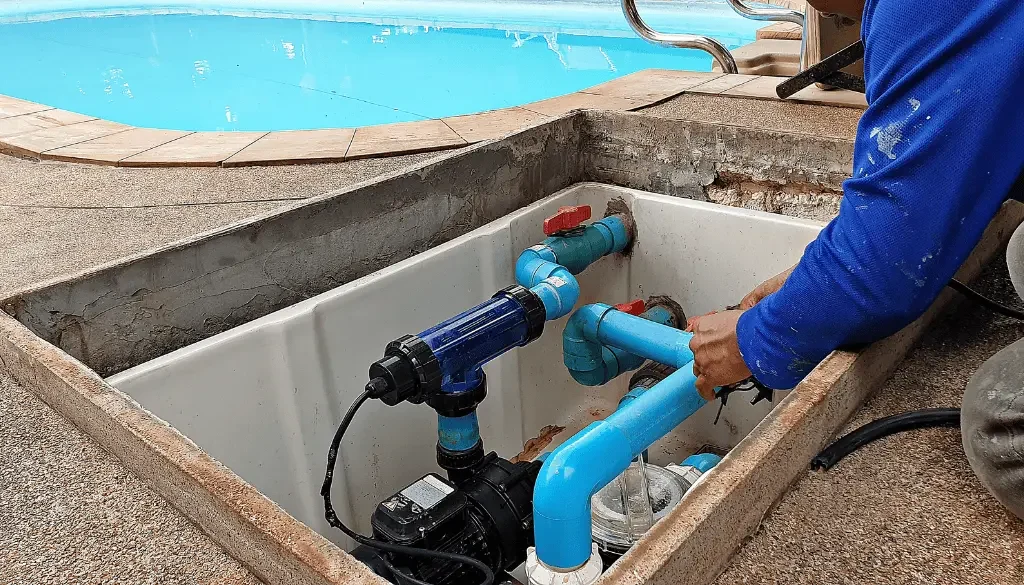
Pool Motor Efficiency Tips Every Virginia Homeowner Should Know
A pool motor is the heart of your backyard oasis, keeping water circulating, clean, and safe for every swim. When it runs efficiently, you save on energy costs, extend the life of your equipment, and enjoy crystal-clear water all season long.
“But what happens when your motor starts working harder than it should?”
That’s when efficiency tips become more than just helpful—they become essential. In this post, we’ll share practical ways every Virginia homeowner can keep their pool motor running smoothly, avoid costly breakdowns, and enjoy a more reliable swimming experience.
Key Takeaways
- Efficient motors lower bills and extend lifespan.
- Early warning signs prevent costly motor breakdowns.
- Regular cleaning and lubrication improve pool performance.
- Seasonal maintenance keeps Virginia pool motors reliable.
- Local experts provide tailored repair and advice.
Why Pool Motor Efficiency Matters
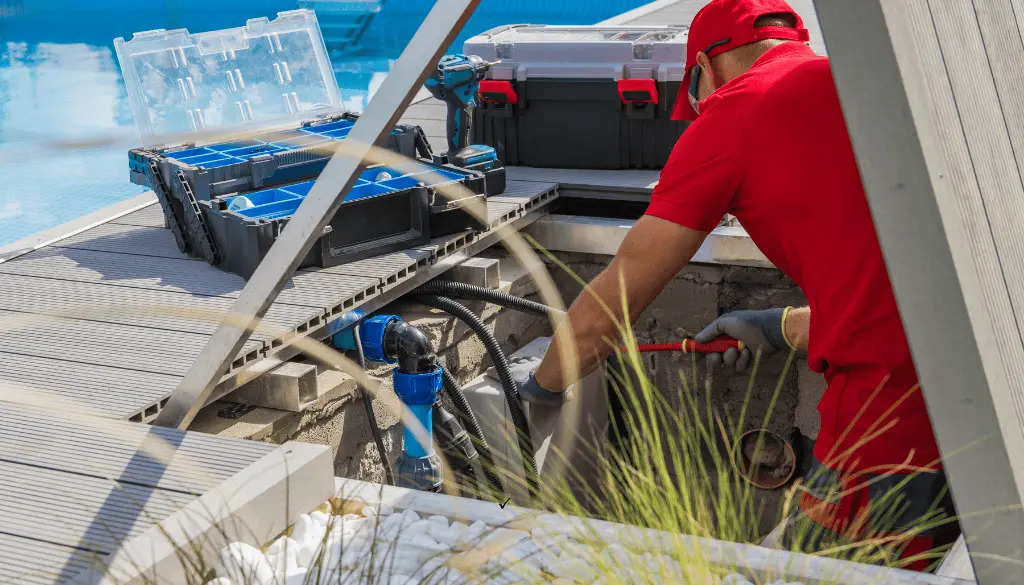
Your pool motor isn’t just a piece of equipment—it’s the driving force behind safe, clean water. If it’s not working at peak efficiency, problems start to appear quickly: cloudy water, algae growth, and higher utility bills.
Efficient motors deliver three main benefits:
- Lower Energy Bills – An efficient motor consumes less power while maintaining circulation.
- Longer Lifespan – Less strain reduces wear and tear, helping your motor last longer.
- Better Water Quality – Strong, steady circulation prevents stagnant water and harmful buildup.
In Virginia, hot summers and frequent storms can put extra stress on motors. Efficiency is more than a cost-saver—it’s a necessity.
Common Signs Your Pool Motor Is Struggling
Your pool motor works hard every day to keep water circulating and clean. Over time, wear and tear begin to show, but many homeowners don’t notice the early symptoms until problems become costly. Recognizing the warning signs sooner makes the difference between a simple repair and a full replacement. So, how can you tell when your motor is starting to fail?
- Unusual noises: Grinding, humming, or screeching sounds signal mechanical issues.
- Weak circulation: Jets push less water, or your pool looks cloudy.
- Overheating: Motor shuts off unexpectedly after running a short time.
- Rising energy bills: No change in use, but your utility costs climb.
Ignoring these signals doesn’t just risk higher bills—it can shorten your motor’s lifespan and disrupt your pool time when you need it most. Catching these early saves time, money, and frustration, ensuring your pool remains ready whenever you are.
Practical Efficiency Tips Every Virginia Homeowner Should Apply
Improving your pool motor’s efficiency doesn’t require complicated changes. Small, consistent adjustments make a big difference in performance, energy use, and overall reliability. Here are five proven tips that every Virginia homeowner can put into practice.
1. Regular Cleaning and Debris Removal
Leaves, pollen, and dirt are constant issues for Virginia pools, especially during spring and summer storms. When debris builds up in skimmer baskets and filters, your motor has to work harder to maintain circulation. Clear baskets weekly and backwash or rinse filters as recommended to keep water flowing freely and reduce strain on the system.
2. Proper Lubrication of Bearings
Inside every motor, bearings allow moving parts to spin smoothly. Without lubrication, friction increases, leading to overheating and energy waste. Over time, this friction can burn out the motor. A professional technician can apply the correct lubricant during seasonal service to protect your bearings and keep performance steady.
3. Correct Pump Sizing
One of the biggest efficiency mistakes homeowners make is choosing the wrong pump size. A pump that’s too large wastes electricity and may cause turbulent water flow, while a pump that’s too small struggles to keep the pool clean. A pool specialist can measure your system and recommend the correct motor size for balanced, efficient operation.
4. Optimize Run Times
Running your motor continuously isn’t just unnecessary—it’s expensive. Virginia’s hot summers demand longer circulation, while cooler months require less. Aim for 6–8 hours daily in spring and fall, and 8–10 hours in peak summer. Scheduling your motor to run during off-peak energy hours can further cut utility costs.
5. Upgrade to a Variable Speed Pump
Single-speed motors run at full power all the time, regardless of need. Variable speed pumps, on the other hand, let you adjust speed based on demand. This flexibility reduces wear, cuts energy use by up to 70%, and extends motor life. Although the upfront cost is higher, the savings and performance improvements quickly make up for it.
Efficiency Tips at a Glance
| Efficiency Tip | Benefit | Frequency/Timing |
|---|---|---|
| Clean baskets & filters | Stronger water flow, less strain | Weekly |
| Lubricate motor bearings | Prevents overheating, reduces wear | As recommended (seasonal) |
| Confirm correct pump size | Balanced performance, energy savings | Once per installation |
| Optimize motor run times | Lower utility bills | Adjust seasonally |
| Upgrade to variable speed | 70% less energy use | One-time investment |
Preventive Maintenance for Long-Term Reliability
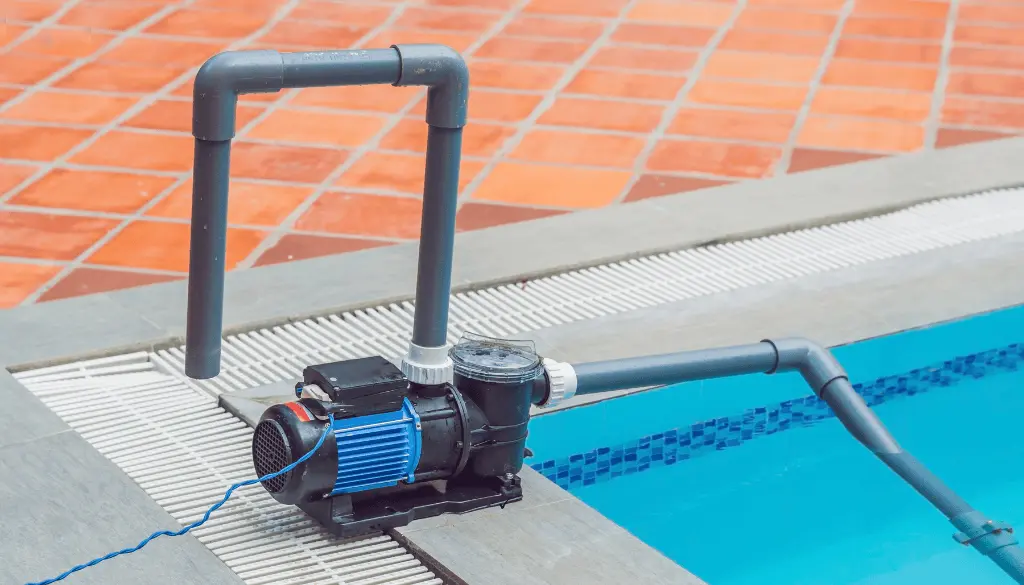
Preventive care is the smartest way to protect your pool investment. Emergency repairs often cost hundreds more than routine maintenance, and they usually happen at the worst possible time—right in the middle of swim season.
For Virginia homeowners, preventive maintenance is especially important. Frequent storms bring debris that clogs systems, and hot summers force motors to work harder than usual. Seasonal checkups keep your equipment one step ahead of these challenges.
- Spring – Schedule an inspection before summer demand begins. This ensures your motor is ready for long, hot days of continuous use.
- Mid-Summer – A quick professional check prevents mid-season failures that could shut down your pool during peak enjoyment.
- Fall – Get your system prepared for winterization, protecting the motor from damage when the pool is closed.
By addressing small issues before they grow into major problems, you avoid costly breakdowns and extend the life of your equipment. Preventive maintenance keeps your motor reliable, efficient, and ready whenever you want to enjoy your pool.
When to Repair vs Replace Your Pool Motor
Not every issue requires a new motor. But some repairs cost more than replacement.
- Repair if issues are minor: bad capacitor, clogged impeller, or minor bearing wear.
- Replace if the motor is over 10 years old, suffers repeated failures, or runs inefficiently even after repair.
Virginia’s humid climate can shorten lifespan. A trusted technician can assess whether repair or replacement makes the most sense.
Local Expertise in Virginia Pool Care
Not all pools face the same conditions. Virginia homeowners deal with unique challenges: pollen in spring, heavy summer storms, and long, hot seasons that demand more run time. A local pool repair expert understands these conditions and tailors solutions to match them.
Professional technicians in Sterling, VA, not only repair motors but also advise on the best maintenance schedules, energy-saving upgrades, and safe operation practices. That kind of local expertise gives homeowners peace of mind.
Final Thoughts
A pool motor that runs efficiently saves money, reduces stress, and keeps water crystal clear. By cleaning filters, scheduling inspections, optimizing run times, and considering upgrades, Virginia homeowners can extend the life of their equipment and enjoy a more reliable pool.
Don’t let a struggling motor cut your swim season short. Contact us today for professional pool motor repair and maintenance services in Sterling, VA.



