
How to Stop Over-Chlorinating Your Pool with an Automatic Chlorine Feeder
Keeping your pool’s chlorine levels balanced isn’t as simple as dropping in a few tablets. Over-chlorination is one of the most common mistakes homeowners make — and it can lead to irritated skin, strong chemical odors, and even damaged pool surfaces.
“So how do you keep your water safe without overdoing the chlorine?”
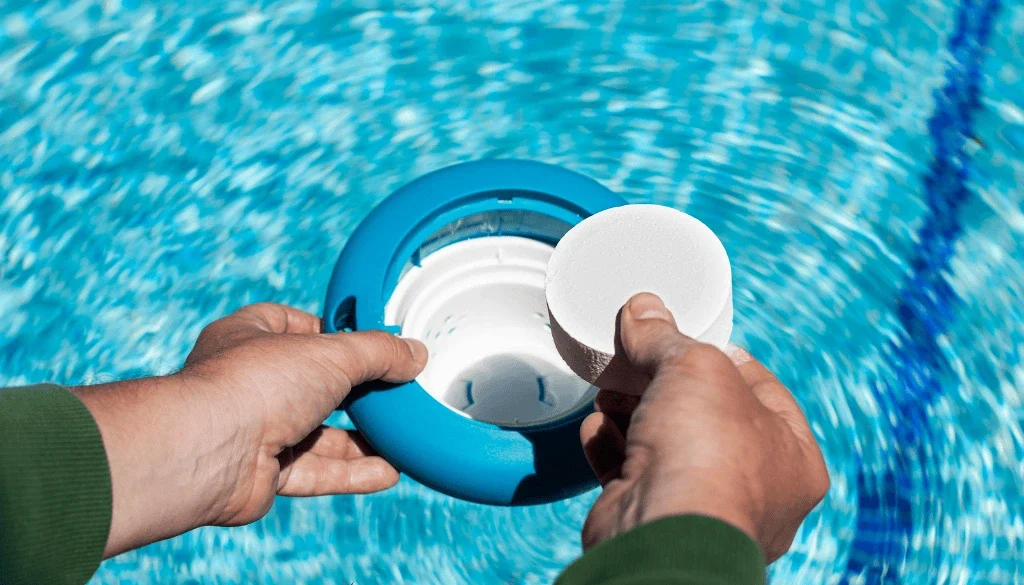
An automatic chlorine feeder is one of the most effective solutions available. By controlling how much chlorine is released and when, these systems eliminate the guesswork that causes most pool owners to over-chlorinate.
Key Takeaways
Why Over-Chlorination Is a Bigger Problem Than You Think
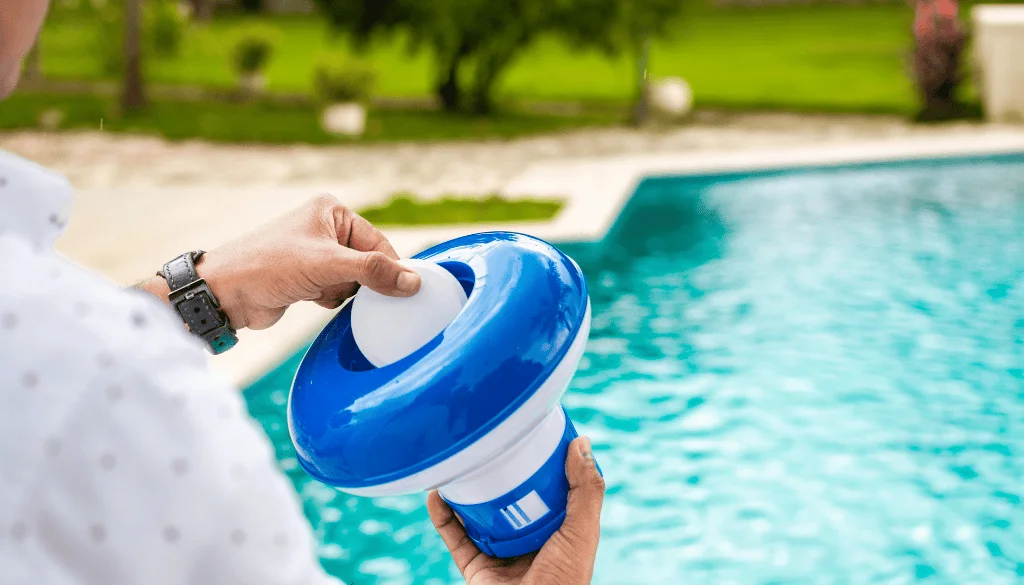
Adding extra chlorine may seem like the safest way to fight bacteria, but more isn’t always better. Too much chlorine can harm swimmers and your pool’s structure.
Excessive chlorine levels (above 5 ppm) can irritate eyes, dry out skin, and cause that strong “pool smell” that’s often mistaken for cleanliness. In reality, it’s the byproduct of chlorine reacting with contaminants like sweat and oils, forming chloramines—which are both irritating and ineffective sanitizers.
Over time, high chlorine concentrations also corrode metal fixtures, pool ladders, and pump seals. Vinyl liners can fade or become brittle, and plaster finishes may erode prematurely. In short, over-chlorination doesn’t make your pool cleaner—it shortens its lifespan and diminishes water quality.
What Causes Over-Chlorination in Pools
To stop over-chlorination, it’s important to understand how it happens in the first place. Several everyday habits and environmental factors contribute to chlorine imbalances, often without pool owners realizing it.
1. Manual Dosing Errors
Adding chlorine manually may seem straightforward, but it’s one of the leading causes of over-chlorination. Most homeowners rely on guesswork—pouring or dropping in chlorine based on experience rather than precise measurements. After a storm, pool party, or heavy swimmer load, chlorine demand increases, and many overcompensate by adding too much sanitizer at once.
Without knowing your pool’s chlorine demand—the exact amount required to neutralize contaminants—levels can quickly rise beyond the recommended 1.0–3.0 parts per million (ppm). This often leads to skin irritation, faded liners, and wasted chemicals. Automatic chlorine feeders prevent this problem by releasing small, consistent doses over time, maintaining safe and steady sanitation.
2. Weather and Sunlight
Environmental factors have a huge influence on chlorine stability. Ultraviolet (UV) rays from the sun break down chlorine molecules through a process called photolysis, which can destroy up to 90% of free chlorine in just two hours of direct sunlight if the water isn’t properly stabilized.
In response, pool owners often panic and add more chlorine—sometimes doubling or tripling the dose—to “make up” for the loss. However, this cycle of excessive dosing creates unstable chlorine levels that swing from too low to dangerously high.
Using a stabilized chlorine (like trichlor tablets) inside an automatic feeder solves this by continuously replenishing chlorine in small amounts while protecting it from UV degradation. This combination ensures steady chlorination even on the hottest days.
3. Poor Circulation
Chlorine is only effective if it’s evenly distributed throughout the pool. Poor circulation—caused by clogged filters, undersized pumps, or incorrect valve settings—leads to uneven sanitization. In stagnant areas, chlorine concentrations can skyrocket, creating “hot spots” that irritate swimmers’ skin or bleach the pool surface.
Conversely, areas with low flow may have too little chlorine, allowing algae and bacteria to develop. The result? A pool that’s both over- and under-chlorinated at the same time.
Routine equipment checks are essential. Ensure your pump and filter are sized correctly for your pool’s volume and run long enough each day (usually 8–12 hours during summer) to allow full water turnover. An automatic chlorine feeder connected to a properly circulating system ensures even chlorine distribution across every corner of the pool.
4. Inconsistent Testing
Accurate testing is the foundation of effective pool maintenance, yet many homeowners neglect it or rely on outdated test strips. Test strips exposed to humidity or sunlight lose accuracy, providing misleading chlorine readings. When results show levels lower than reality, owners often add unnecessary chlorine, leading to over-sanitization.
Regular testing should be performed at least twice per week—and more frequently during heavy use or hot weather. Digital pool testers or liquid reagent kits provide more reliable results than paper strips. Pairing consistent testing with an automatic chlorine feeder gives you full control: you can verify levels objectively and make small, precise adjustments rather than reacting to guesswork.
Additional Factors Worth Considering
While these four are the most common causes, other factors can contribute to over-chlorination as well:
-
Small Pool Volume: Smaller pools or spas can experience large chemical changes from even a small chlorine addition.
-
Improper Tablet Type: Using fast-dissolving chlorine tablets instead of slow-dissolving trichlor tablets in feeders can cause rapid spikes.
-
Neglected Maintenance: Clogged skimmers, unclean filters, or worn-out feeder parts reduce water flow and chemical control accuracy.
Understanding these root causes allows homeowners to take preventive measures, ensuring their pool remains balanced, clear, and swimmer-safe without wasting time or chemicals.
How Automatic Chlorine Feeders Work
A chlorine feeder slowly dissolves chlorine tablets (trichlor or dichlor) and releases them into your pool’s circulation system. Instead of dumping in chlorine all at once, the feeder allows water to flow through it, dissolving just the right amount of chlorine based on your settings.
There are two main types:
- In-Line Feeders: Installed directly into the pool’s return line.
- Off-Line Feeders: Connected through small hoses for pools with limited plumbing options.
Feeders can be manual (adjusted by a control knob) or automatic, where chlorine flow adjusts automatically based on water chemistry. This system ensures steady disinfection and prevents the dangerous fluctuations that lead to over-chlorination.
Benefits of Using an Automatic Chlorine Feeder
Automation isn’t just convenient—it protects your pool, your wallet, and your health.
| Feature | Benefit |
|---|---|
| Controlled Chlorine Flow | Prevents overuse and keeps levels balanced |
| Consistent Sanitation | Maintains safe, algae-free water all season |
| Cost Efficiency | Reduces chemical waste and unnecessary dosing |
| Safety | Minimizes direct contact with hazardous chlorine |
| Time-Saving | Less manual handling and daily maintenance |
Unlike manual chlorination, automatic feeders deliver chlorine at a steady rate that matches your pool’s demand. This ensures continuous disinfection—even when you’re away for days or weeks.
Another advantage is chemical efficiency. Since chlorine dissolves gradually, you get maximum use out of each tablet, lowering long-term maintenance costs.
How to Properly Set and Maintain Your Chlorine Feeder
Even the best equipment needs proper setup and maintenance to work effectively. A chlorine feeder can only perform at its peak when adjusted correctly, kept clean, and routinely monitored. By maintaining your feeder, you ensure consistent sanitization, longer equipment life, and a safer swimming environment all year round.
1. Adjust the Feed Rate
The feed rate controls how much chlorine enters your pool each hour. Setting it correctly prevents both under-chlorination and over-chlorination.
Most automatic feeders have a dial or numbered control valve that determines water flow through the feeder. Begin at a medium setting—typically halfway on the dial—and test chlorine levels after 24 hours of continuous pump operation. Ideal readings fall between 1.0 and 3.0 parts per million (ppm), as recommended by the Centers for Disease Control and Prevention (CDC) for residential pools.
If levels are below 1.0 ppm, increase the dial slightly; if they exceed 3.0 ppm, turn it down. Always make small adjustments and allow a full day for the system to stabilize before retesting. Once you find the sweet spot, note the dial position so you can easily reset it after cleaning or maintenance.
2. Inspect Regularly
A chlorine feeder’s internal chamber works continuously, and over time, mineral scale, tablet residue, and debris can accumulate inside. This buildup restricts water flow and slows chlorine dissolution, resulting in uneven sanitation.
Inspect your feeder once a week during the swimming season. Turn off the pump, close the feeder’s valves, and safely open the chamber. Remove any remaining tablets and rinse the inside with fresh water. Use a soft plastic brush or cloth—avoid metal tools that may scratch or weaken the housing.
If you notice white deposits, soak removable parts in a mild vinegar-water solution to dissolve calcium buildup. Rinse thoroughly before reinstalling. Consistent cleaning not only ensures reliable performance but also extends the feeder’s lifespan by preventing corrosion and chemical residue damage.
3. Monitor Water Flow
Your chlorine feeder’s performance depends on the pool pump’s flow rate. Too little flow means water doesn’t pass through the feeder efficiently, slowing chlorine delivery. Excessive flow can push chlorine too quickly into the system, causing sudden spikes in concentration.
Check your pump pressure gauge and return jets regularly. Weak return flow may indicate a dirty filter or clogged skimmer basket. Make sure all valves are open to allow proper circulation.
For most residential pools, maintaining a flow rate between 30–50 gallons per minute (GPM) is ideal for balanced chlorination. If your system includes a variable-speed pump, coordinate the feeder’s setting with your pump schedule. For example, when running the pump at a lower speed overnight, reduce the feed rate slightly to maintain even chlorine output.
4. Use the Right Tablets
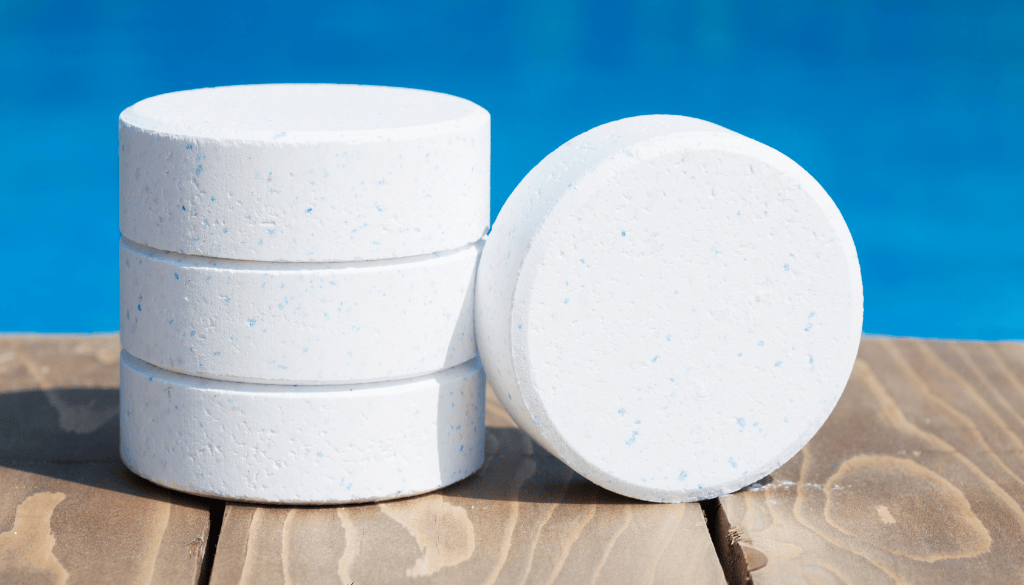
Not all chlorine tablets are created equal. Trichlor tablets (trichloro-s-triazinetrione) are the only type recommended for most automatic feeders because they dissolve slowly, are highly concentrated, and contain a stabilizer (cyanuric acid) that protects chlorine from UV degradation.
Avoid using calcium hypochlorite or liquid chlorine in feeders—they dissolve too rapidly and can produce dangerous chlorine gas when confined in a sealed unit. Using the wrong chemical can also corrode plastic fittings and O-rings, voiding equipment warranties.
When refilling, always wear protective gloves and goggles, and never mix different chlorine types in the same feeder. Chemical reactions between incompatible sanitizers can create toxic fumes or explosive pressure buildup.
5. Seasonal Adjustments
Chlorine demand changes with the seasons. Warmer temperatures, heavy rainfall, and increased swimmer activity all accelerate chlorine consumption. During summer, raise your feeder’s output slightly—usually one to two dial notches higher—to maintain consistent 1.5–3.0 ppm chlorine levels.
In contrast, cooler months or periods of low pool usage require less chlorine. Reduce the feed rate gradually to prevent over-chlorination and save on chemical costs. If you close your pool for winter, remove the chlorine tablets, drain the feeder, and leave the lid slightly open to prevent pressure buildup or gasket warping.
You should also inspect and lubricate O-rings with silicone grease before reassembling in spring. A tight, well-sealed feeder prevents leaks and ensures smooth operation when the system restarts.
Common Mistakes to Avoid
Even a great tool like a chlorine feeder can cause problems if misused.
- Setting the Flow Too High: This can cause chlorine levels to rise quickly, damaging liners or bleaching surfaces.
- Using the Wrong Chlorine Type: Not all chlorine tablets are suitable for feeders—always check the manufacturer’s recommendation.
- Neglecting Pump Maintenance: Poor water circulation reduces the feeder’s efficiency.
- Ignoring Seals and O-Rings: Leaks can reduce water pressure, leading to inconsistent chlorine release.
Routine inspection and testing prevent these small issues from turning into costly repairs.
Professional Installation and Maintenance Services
While some homeowners choose to install feeders themselves, professional service ensures precision and safety.
Residential Pool Service LLC provides expert installation, calibration, and ongoing maintenance for chlorine feeders. Technicians ensure proper water flow, correct placement in the plumbing line, and accurate feed rate settings.
Professional servicing also includes inspecting valves, replacing seals, and verifying that the chlorine feeder integrates seamlessly with your existing pump and filtration system.
Final Thoughts – Enjoy a Cleaner, Healthier Pool the Smart Way
An automatic chlorine feeder offers precision, safety, and convenience for pool owners who want crystal-clear water without constant monitoring. It protects your pool from over-chlorination, preserves your equipment, and keeps swimmers comfortable.
By combining automation with professional maintenance and routine testing, you can maintain perfectly balanced water all season long—without the hassle or the harsh chlorine smell.
Take control of your pool’s water quality today. Contact Residential Pool Service LLC for expert installation and maintenance of your automatic chlorine feeder. Enjoy cleaner, clearer water—and the peace of mind that comes with knowing your pool is perfectly balanced year-round.



