
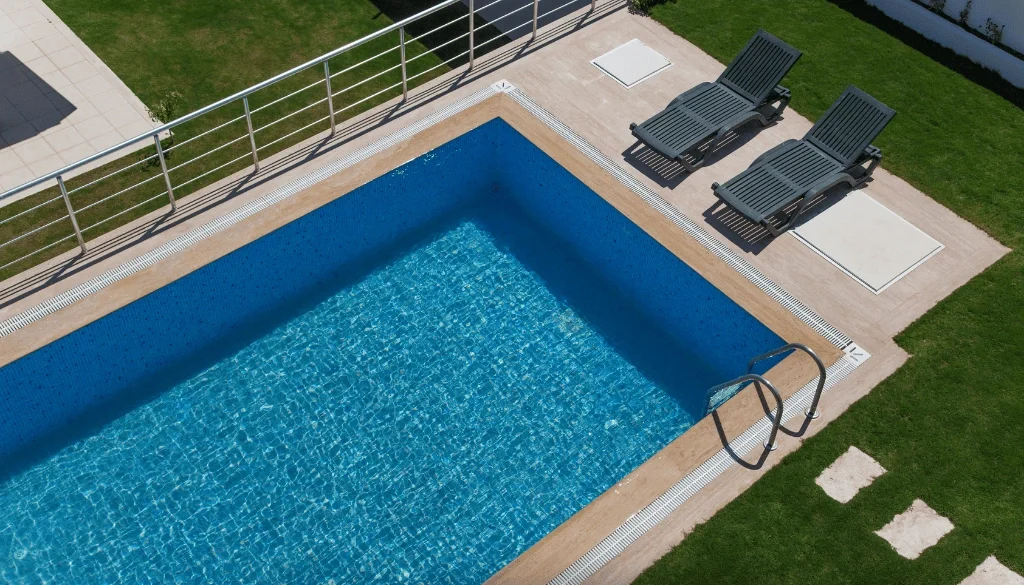
Signs Your Pool Is Leaking—and What to Do Next
Owning a swimming pool should bring relaxation—not worry. Yet sometimes, you might notice your water level dropping faster than usual or small damp spots forming around the deck.
“But how can you tell if your pool is actually leaking or just losing water through evaporation?”
Understanding the difference early can save you from costly repairs, wasted water, and potential structural damage. In this guide, we’ll walk you through the most common signs of a pool leak, what causes them, and the steps you should take next to protect your investment.
Key Takeaways

Understanding How Pool Leaks Start
Pool leaks don’t appear overnight. They’re usually the result of gradual wear and tear, environmental factors, or installation issues.
A leak can occur anywhere water flows—from the pool shell to the plumbing that runs beneath the deck. In-ground concrete pools, for example, can develop cracks due to freeze-thaw cycles or ground shifting common in the Mid-Atlantic region. Vinyl pools are more likely to leak through liner tears or faulty fittings. Even equipment connections like skimmers, returns, and lights can be sources of slow water loss if seals deteriorate.
Common Signs Your Pool May Be Leaking
Recognizing early warning signs can help you act fast before minor leaks turn into major repairs.
1. Unexplained Drop in Water Level
If your pool loses more than ¼ inch of water per day, you likely have a leak rather than normal evaporation. Environmental factors like wind, temperature, and humidity affect evaporation rates, but consistent, excessive loss indicates a problem. Tracking the drop daily can help confirm whether a leak exists.
2. Wet or Soft Spots Around the Pool
Soggy soil or soft patches near the pool deck, even when it hasn’t rained, are clear indicators of underground plumbing leaks. These leaks allow water to seep into surrounding ground areas, destabilizing soil and creating sinkholes or deck cracks if left untreated. Immediate inspection helps prevent costly excavation later.
3. Cracks in the Pool Shell or Deck
Hairline cracks might seem harmless, but they often serve as small channels where water seeps through concrete or plaster. Over time, this continuous leakage weakens the pool shell and nearby surfaces. Early repair of these cracks prevents water from eroding reinforcement materials and stops structural damage before it spreads.
4. Air or Bubbles in the Pump System
When you notice bubbles in the return jets or air trapped in the pump basket, it usually means air is entering through a suction-side leak. These leaks disrupt water circulation, lower pump efficiency, and may damage your filtration system. Quick identification and sealing prevent equipment strain and costly repairs.
5. Algae Growth or Chemical Imbalance
Frequent chemical adjustments or unexpected algae blooms may indicate a hidden leak diluting your pool’s water chemistry. Constantly adding chlorine or balancing pH levels becomes a losing battle when fresh water continually enters through leaks. Testing your pool water regularly helps identify leaks early and maintain chemical stability.
Pool Leak Signs and Their Possible Causes
| Visible Sign | Likely Cause | Recommended Action |
|---|---|---|
| Water level dropping quickly | Crack, plumbing leak, or faulty fittings | Conduct a bucket test and inspect all visible joints |
| Wet spots around pool deck | Underground pipe or return line leak | Hire professional leak detection service |
| Bubbles in return jets | Suction-side leak | Check pump lid, O-rings, and valves |
| Algae or cloudy water | Dilution from leaking water | Adjust chemicals and inspect for structural leaks |
| Cracks in pool or tiles | Surface damage or ground shift | Schedule inspection and patch as needed |
How to Confirm a Pool Leak
Before calling a professional, you can perform simple tests to confirm a suspected leak.
The Bucket Test
Fill a bucket with pool water, place it on the top step, and mark both water levels. After 24 hours, compare them. If the pool’s water drops more than the bucket’s, it’s likely leaking.
The Dye Test
Using food coloring or pool dye, apply it near suspected cracks or fittings while the water is still. If the dye moves toward a gap, you’ve found a potential leak source.
Visual and Pressure Checks
Look around your pool for cracks, loose tiles, or wet soil. For plumbing leaks, a professional can perform a pressure test to locate the exact section losing water.
Common Sources of Pool Leaks
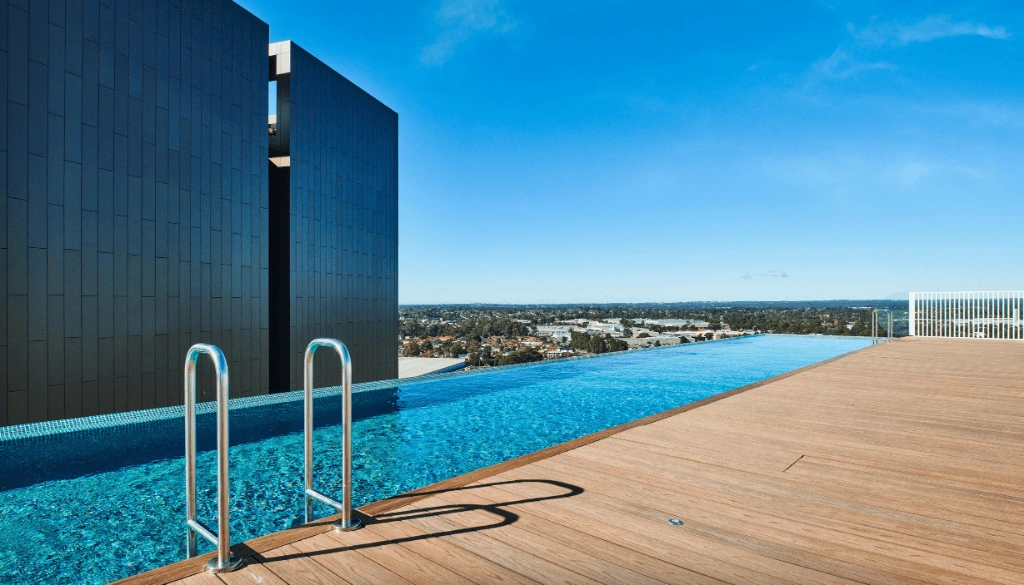
Knowing where leaks commonly form helps you communicate effectively with technicians and speed up repairs.
- Skimmer Leaks – The most frequent culprit, caused by separation between the pool shell and the skimmer throat.
- Light Niches – Older or poorly sealed light housings often leak behind the lens or conduit.
- Return Lines – Cracks or joint failures in buried pipes can lead to slow underground leaks.
- Main Drain Leaks – Found at the pool’s deepest point, often requiring professional diving inspection.
- Cracked Pool Shell or Tile Grout – Structural cracks allow slow but consistent water loss.
What to Do If You Suspect a Leak
Quick action prevents small leaks from becoming costly structural problems.
- Turn Off Unnecessary Equipment – Reduce pressure on the system by switching off water features or jets.
- Document the Symptoms – Note water loss rate, visible damage, or moisture around the pool.
- Perform the Bucket Test – Confirm whether it’s evaporation or leakage.
- Contact a Professional Leak Detection Service – Companies like Residential Pool Service use specialized listening equipment, pressure tests, and dye tracing to pinpoint the exact source without unnecessary digging.
- Plan for Repair – Once identified, leaks can be repaired with epoxy injections, pipe replacements, or liner patches depending on the damage type.
The Cost and Consequences of Ignoring Pool Leaks
Delaying repairs often costs far more than early detection and repair. A small leak of just one gallon per minute can waste over 43,000 gallons per month—raising your water bill and putting stress on your equipment. Over time, that water erodes soil, weakens your pool deck, and damages nearby landscaping. Structural cracks can even compromise your pool shell, requiring full resurfacing or replastering.
| Leak Severity | Estimated Water Loss (per month) | Potential Repair Cost Range |
|---|---|---|
| Minor (1 gal/min) | ~43,000 gallons | $250–$600 |
| Moderate (3 gal/min) | ~129,000 gallons | $700–$1,500 |
| Severe (5+ gal/min) | 215,000+ gallons | $2,000+ |
(Note: Actual costs vary by location, leak type, and pool construction.)
How Professionals Detect Pool Leaks
Modern leak detection is precise and minimally invasive. Experts use several advanced methods:
- Electronic Listening Devices to identify water escaping under decks or in walls.
- Dye Testing Equipment for visual confirmation in suspected areas.
- Pressure Testing to isolate broken plumbing lines.
- Thermal Imaging and Ultrasonic Sensors for non-invasive detection without unnecessary excavation.
Professional inspections not only locate the leak but also verify the integrity of your pool shell, fittings, and lines—saving you future headaches.
Preventing Future Pool Leaks
Routine maintenance is the key to avoiding leaks and expensive repairs down the road.
- Maintain proper water chemistry to prevent liner and seal corrosion.
- Schedule annual inspections for fittings, skimmers, and return lines.
- Avoid using metal brushes or harsh tools that can scratch the pool surface.
- Keep water at the right level to prevent pressure imbalance.
- Inspect the deck for cracks after winter freeze-thaw cycles, especially in Maryland and Virginia.
Consistent care helps extend your pool’s lifespan, conserves water, and keeps your system running efficiently all season long.
Final Thoughts
A leaking pool is more than an inconvenience—it’s a warning sign. Early detection and professional repair can save thousands of dollars in wasted water and structural restoration. By learning to recognize the symptoms and acting fast, homeowners can ensure their pool remains safe, efficient, and enjoyable for years to come.
If you suspect a leak or notice unusual water loss, schedule an inspection with Residential Pool Service today. Our experienced team uses advanced leak detection technology to find and fix problems quickly—so you can get back to enjoying your pool without worry.



