

Cloudy Pool Water After Equipment Failure: What To Fix First
Cloudy pool water after an equipment failure can feel like your pool went from “ready to swim” to “shut it down” overnight. When circulation stops or filtration isn’t working properly, fine debris stays suspended, sanitizer doesn’t distribute evenly, and algae can gain a foothold fast—especially in warm weather. You might be tempted to dump in extra chemicals and hope it clears,
“but what should you fix first: the water chemistry, the filter, or the pump that caused the problem?”
The truth is, the fastest path back to clear, safe water starts with restoring the system that moves and cleans the water, then correcting the balance so the pool can hold clarity again. In this guide, we’ll walk through the exact order of steps that prevents wasted chemicals, saves time, and gets your pool back to swim-ready as quickly as possible.
Key Takeaways
- Restore circulation before adjusting water chemistry
- Clean filter once flow is stable
- Use baseline pressure to time cleanings
- Stop swimming if visibility is poor
- Call pros for leaks or electrical
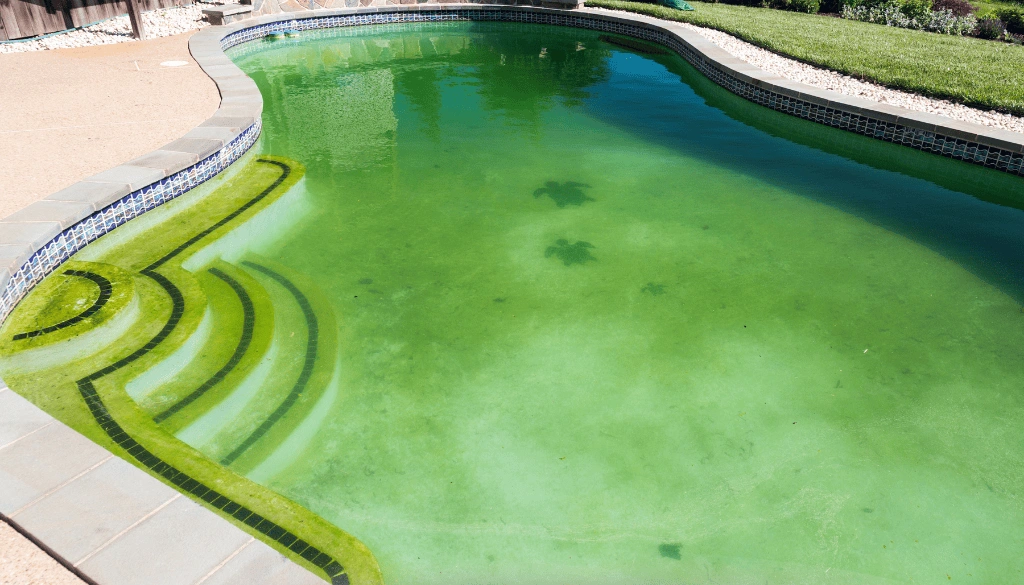
Why Cloudy Water Happens Right After Equipment Failure
When your equipment fails, your pool loses the two things that keep water clear: consistent circulation and effective filtration. With low or zero flow, debris and fine particles don’t get pulled into the filter, and your sanitizer doesn’t distribute evenly throughout the pool. Even if your test strip shows “some chlorine,” it may not be reaching dead spots where algae can start, especially in warm weather or heavy sun.
Cloudiness after a failure usually comes from one (or a mix) of these factors: suspended dust and debris, early-stage algae, calcium scale or precipitated minerals, and “filter bypass” situations where water is moving but not being filtered well. That’s why dumping in clarifier or shock before you restore proper flow can backfire—because the pool can’t reliably capture and remove what you’re trying to treat.
First Priority: Restore Circulation And Filtration
Before you chase numbers, you need the system moving water correctly, because chemistry works best when water is circulating and filtering continuously. If the pump isn’t pulling water from the skimmer/main drain and pushing it back through the returns with steady pressure, your pool is basically stuck in “pause mode.” The fastest path to clarity is getting flow back, then making sure the filter is actually removing particles.
Start by watching the basics: return jets should have steady force, the skimmer should have visible pull, and the pump lid area should not be full of swirling air. If you’re comfortable doing quick homeowner checks, use the list below as a safe starting point—but stop immediately if you see electrical issues, leaking water near wiring, or a pump that sounds like it’s grinding.
Quick Flow Checks (Safe, Fast, And Common):
- Empty skimmer and pump baskets and confirm lids are seated properly
- Verify valves are open to the correct suction lines
- Look for air bubbles in the pump basket or returns (often a suction-side air leak)
- Confirm the filter pressure gauge is reading (a broken gauge can mislead you)
- If your system has a multiport valve, confirm it’s on Filter (not Recirculate/Waste)
What To Fix First: A Simple Decision Order
If you want the “do this, then that” version, follow a decision order that prioritizes what actually makes water clear. The goal is to stop guessing and avoid the common mistake of chasing cloudy water with chemicals while the equipment is still underperforming. Once the system is operating normally, your testing and adjustments become more accurate and effective, and your pool clears faster with less product.
Here’s the order we recommend because it matches how pools are designed to work: restore pump function, restore proper flow, restore filter performance, and then correct chemistry. If you do it backward, you can burn through sanitizer, clog a struggling filter, or create more haze by binding particles that the system can’t remove yet.
- Get The Pump Running Correctly
- Confirm Strong, Steady Circulation
- Clean Or Restore Filter Performance
- Test And Balance Water Chemistry
- Run The System Long Enough To Filter Everything Out
Step-By-Step: Fast Troubleshooting For The Most Common Failures
Most post-failure cloudiness comes down to a few repeat issues: the pump lost prime, a blockage reduced flow, the filter is overloaded, or the pool went too long without sanitation and circulation. These steps help you narrow down what’s most likely based on symptoms you can observe. If you’re ever unsure, it’s smarter (and safer) to pause and contact a pro than to keep restarting equipment or forcing valves.
Use this table as a quick “symptom to first action” guide. It’s designed to keep you focused on the most likely root cause, not the most tempting quick fix.
| What You Notice | Pressure Gauge Trend | Most Likely Causes | Best Next Step |
|---|---|---|---|
| Weak returns + pressure higher than usual | High PSI | Dirty filter media, return-side restriction, incorrect valve position | Clean/backwash based on filter type; verify return valves and multiport setting |
| Weak returns + pressure lower than usual | Low PSI | Suction restriction, clogged impeller, air leak, low water level | Check water level, baskets, valves; look for air under pump lid; inspect for suction leaks |
| Weak returns + pressure “normal” but performance feels off | Near baseline PSI | Blocked return eyeballs, partially closed valves, circulation dead spots | Inspect return fittings and valve positions; adjust return direction and run-time |
| Debris returning to pool | PSI varies | Filter internal damage (laterals/manifold/grids), worn cartridge | Schedule inspection; internal repair may be needed |
If The Pump Failed Or Shut Off
A pump that suddenly stops, won’t prime, or loses suction can’t move water through the filter, so clarity stalls immediately. Many times the cause is simple—like a clogged basket or a lid that isn’t sealing—but it can also be an impeller blockage or a failing motor component. The key is to avoid repeated restarts if the pump sounds abnormal, because running dry or overheating can turn a small issue into a major repair.
If the pump basket won’t fill with water, look for air leaks at the pump lid, loose drain plugs, or a stuck skimmer weir door limiting intake. If the pump primes but flow is still weak, an impeller blockage is possible, especially after storms, heavy debris, or a leaf-heavy season. If breakers trip or you smell burning, shut the system down and treat it as an urgent safety issue.
If The Filter Is Malfunctioning Or Overloaded
Filters can only clear water when they have consistent flow and the media is clean enough to capture particles. After a failure, the filter often gets overloaded quickly as debris and algae begin circulating again. A high pressure reading usually means the filter is dirty and restricting flow; a low pressure reading (with weak returns) often points to low flow or suction issues rather than a “clean filter.”
Cartridge filters typically need a thorough rinse and sometimes a soak (depending on buildup), sand filters may need backwashing, and DE filters require proper backwashing and recharging with the correct DE amount. If the filter is damaged internally—like torn cartridges or broken grids—water can bypass the filtering surface and stay cloudy even though the system “seems” to run.
After Flow Is Restored: Balance The Water In The Right Order
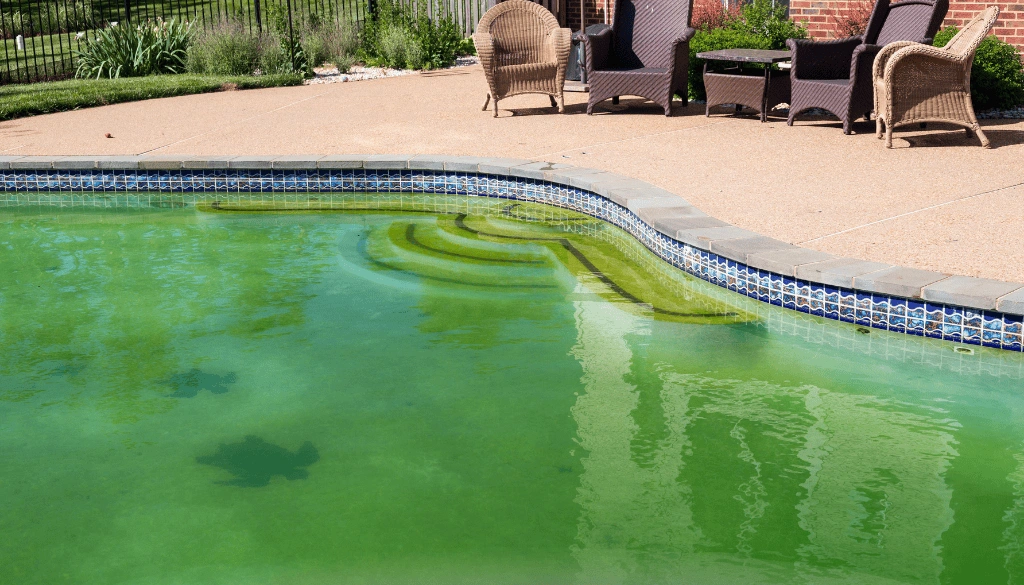
Once circulation and filtration are stable, chemistry becomes your ally instead of an expensive guessing game. Cloudiness can come from poor sanitation, high pH causing scaling or cloudy precipitation, or imbalanced water that makes particles harder to filter out. Testing matters here, because “looks cloudy” can mean very different treatment paths depending on whether you’re dealing with early algae, mineral issues, or just suspended debris.
Focus your testing on the essentials: free chlorine, pH, total alkalinity, and stabilizer (CYA) for outdoor pools. If you suspect scale or you have hard water, calcium hardness becomes important too. Adjusting pH into a normal range helps chlorine work effectively and can reduce haze caused by high pH conditions. If chlorine is low and algae is starting, restoring proper sanitizer levels after flow returns is often what turns the corner.
Clear It Faster: The Best Cleanup Routine For Cloudy Water
After you’ve stabilized the system and confirmed your chemistry isn’t fighting you, the fastest clearing routine is simple: filter continuously, brush thoroughly, and remove debris efficiently. Cloudy water clears because particles get captured by the filter over time, not because you found a magical chemical. This is why runtime is so important—especially after downtime—because the pool needs enough “turnovers” to physically remove what’s suspended.
A reliable routine includes brushing walls and steps to break up biofilm and lift fine debris into the water column where it can be filtered. Vacuuming helps remove settled material so it doesn’t keep getting stirred up. Backwash or clean the filter only when pressure rises meaningfully from a clean baseline, because cleaning too often can reduce filtering efficiency on some systems by removing the thin layer of captured debris that helps trap finer particles.
Pro Tip: After you clean your filter, take a photo of the pressure gauge reading while the pump is running at normal speed. That “clean starting pressure” becomes your baseline. When the pressure rises about 20–25% above baseline, it’s usually time to clean/backwash again, because flow is being restricted and filtration efficiency drops. This one habit prevents both over-cleaning and waiting too long.
When Cloudy Water Is An Emergency
Cloudy water is more than a cosmetic problem when it affects safety or signals a fast-moving equipment or sanitation failure. A practical safety rule is visibility: if you can’t clearly see the bottom of the deep end (or you can’t easily see the main drain if your pool has one), swimming should stop until clarity returns. Poor visibility increases drowning risk and makes it harder to spot hazards or a swimmer in distress.
It’s also an emergency if cloudiness comes with rapid water loss, electrical issues, or a strong sanitation problem. If the pump won’t run, the breaker trips repeatedly, or you see leaking water around equipment pads, those are urgent situations where continued DIY attempts can worsen damage. In Sterling, VA summers, pools can shift quickly from “slightly cloudy” to “algae bloom” when circulation is down, so quick response matters.
Prevention: How To Avoid The Next Equipment Failure Cloud-Out
Preventing cloudy water after equipment trouble is mostly about catching small performance changes early. Many emergencies start as “minor symptoms” like small air bubbles in the returns, a pressure gauge slowly trending upward, or a pump that suddenly sounds louder. If those signs get ignored, flow drops, filtration suffers, and clarity follows. A simple weekly check-in can prevent the majority of surprise breakdowns during swim season.
Use a consistent habit: empty baskets, watch return strength, note filter pressure, and listen to the pump for changes. Keeping the equipment area clean also helps you spot small leaks early before they become major water loss. If your system includes automation, timers, or variable-speed settings, make sure schedules aren’t accidentally reduced after power outages, because shortened runtimes can quietly trigger recurring cloudiness.
When To Call Emergency Pool Service In Sterling, VA
If you’ve restored basic flow but the water remains cloudy, or if the system won’t operate safely, it’s time for professional help. Emergencies include major water loss, pump failure that won’t restart correctly, repeated breaker trips, burning smells, or a pool that becomes unsafe due to poor visibility and rapidly declining sanitiser levels. These are the moments where quick diagnosis prevents property damage and larger repairs.
At Residential Pool Service LLC, our emergency process is built for speed and clarity. We assess the issue with you over the phone, dispatch a technician for an on-site evaluation, identify the root cause, explain repair options, and provide an upfront cost estimate. Then we prioritize safety, repair using quality parts, test the system, and recommend practical steps to reduce the chance of the same emergency happening again.



