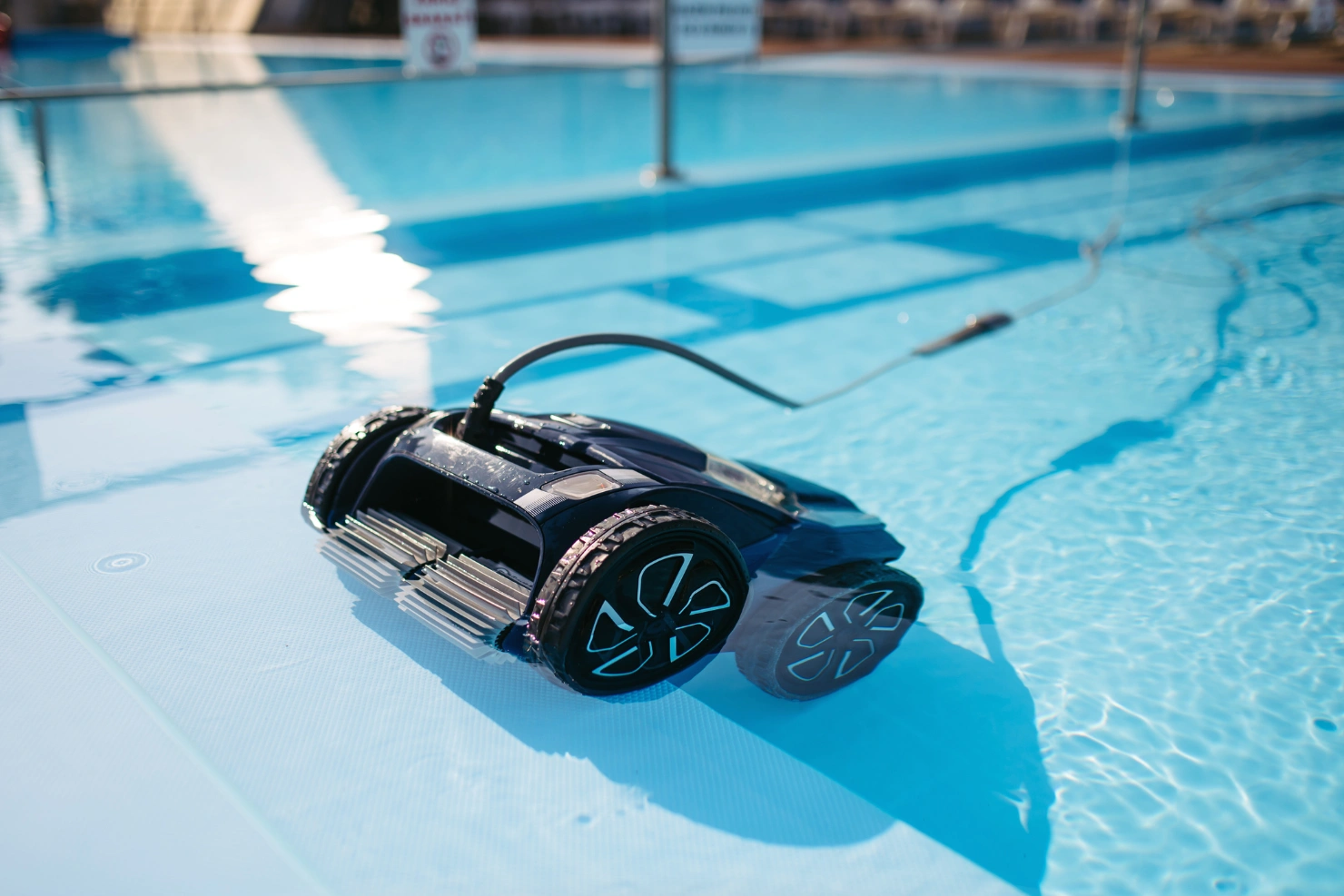
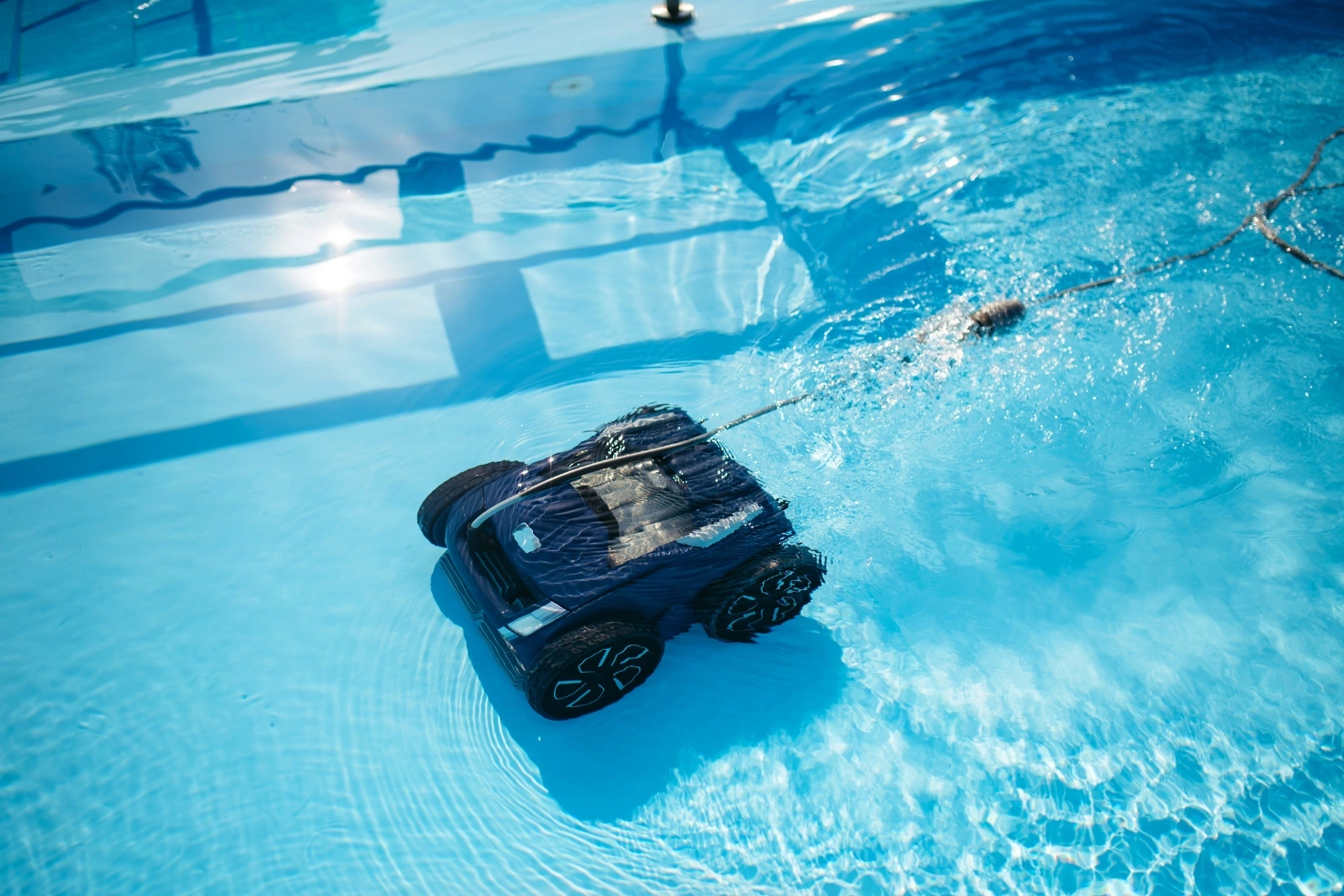
What A Pool Automation System Actually Does
A pool automation system connects multiple pieces of pool equipment into one control setup. Depending on the system and the equipment installed, owners can manage pumps, heaters, lights, sanitization equipment, valves, water features, and other functions from a central panel or mobile app instead of handling each component separately.
Centralized Control
One of the biggest advantages is that automation brings separate pool functions together. Instead of walking to the equipment pad to turn systems on and off individually, you can use one interface to manage several operations at once. That matters even more when a pool includes added features such as a spa, water feature, landscape lighting, or scheduled cleaning cycles.
Remote Access
Modern systems often include app-based control, which allows homeowners to check settings and make adjustments while away from home. That can mean turning on the heater before a swim, checking whether the filtration schedule is active, or adjusting lights for the evening. Remote access does not replace proper service and maintenance, but it does make everyday operation much more flexible.
Why Homeowners Are Moving Toward Pool Automation
Pool ownership comes with regular tasks, and many homeowners want a setup that feels more manageable. Automation appeals to people who want the pool ready when they need it, while reducing repetitive manual adjustments throughout the week. It is not just about adding technology for the sake of it. It is about making the pool easier to run in a way that feels practical.
A smart control system also fits how people use other parts of their home today. Many homeowners already control lighting, thermostats, and security systems from their phones, so managing the pool in a similar way feels like a natural upgrade. For busy households, that convenience can make pool ownership feel less demanding and more enjoyable.
Better Control Over Daily Pool Functions
The value of automation becomes clearer in everyday use. When a system helps control routine operations more precisely, the pool tends to run more consistently and with less guesswork.
Heating Control
Water temperature is one of the most noticeable comfort factors in any pool. Automation allows owners to schedule heating or adjust it before use instead of leaving it entirely manual. That helps create a better swimming experience and can reduce unnecessary heater run time when paired with smarter scheduling habits.
Lighting Schedules
Pool and yard lighting are much easier to manage through automation. Owners can create schedules for evening swims, gatherings, or simple nighttime ambiance without having to switch lights on and off manually. It also helps coordinate multiple lighting zones more easily when the pool area includes additional outdoor features.
Filtration Timing
Filtration is one of the most important parts of pool operation, and automation helps by making run schedules more consistent. Instead of relying on memory or constant manual changes, owners can program cycles that match how the pool is actually used. Consistency matters because circulation supports water quality, chemical distribution, and overall system performance.
The Energy Efficiency Advantage
Automation is often discussed as a convenience upgrade, but it can also support more efficient operation when combined with the right equipment and settings. The key point is that automation does not magically lower energy use on its own. The benefit comes from better scheduling and from pairing automation with efficient components such as variable-speed pumps.
The U.S. Department of Energy notes that pool owners can save energy by operating a pool pump less and by using higher-efficiency equipment, including ENERGY STAR certified pumps where applicable. DOE also explains that variable-speed motors provide greater flexibility and can deliver more energy savings than two-speed or multi-speed motors because they can be programmed at user-defined speed settings. That is where automation becomes especially useful: it gives owners a practical way to apply those schedules more precisely.
Some manufacturers also promote automation as a way to improve energy management through efficient scheduling and seasonal adjustments. In real-world terms, this means the system can help avoid equipment running longer than needed, especially during times when the pool is being used less often.
Pro Tip: Pool automation delivers the best efficiency results when it is matched with compatible equipment and properly programmed schedules. A professionally set up system with the right pump speeds and run times will usually perform better than a powerful system left on default settings.
Convenience That Improves Pool Ownership
Convenience is not a small benefit. For many homeowners, it is the main reason to consider automation in the first place. A pool can involve daily or weekly adjustments, and those tasks become easier when they are built into an organized control system.
Some of the most practical day-to-day advantages include:
- Setting recurring schedules for pumps, lights, and heating
- Adjusting settings without walking to the equipment pad
- Managing multiple features from one interface
- Preparing the pool before guests arrive or before getting home
- Reducing the chance of forgetting to turn a function on or off
These benefits may sound simple, but they can make a real difference in how often owners enjoy their pool. When the system feels easier to manage, the pool becomes less of a chore and more of an asset to the home.
Pool Features That Benefit Most From Automation
Not every pool has the same setup, which is why automation is often most valuable on pools with several connected features. The more moving parts there are, the more helpful centralized control becomes.
Common features that often benefit from automation include:
- Filtration pumps
- Pool and spa heaters
- Pool and landscape lighting
- Water features and jets
- Valves and spa mode controls
- Salt systems and other sanitization equipment
- Cleaning systems and timed circulation schedules
For a simple pool, automation may still be helpful. But for a pool with a spa, lighting zones, water features, or advanced sanitization equipment, the value usually becomes much easier to see because the system helps coordinate more than one task at a time.
Pool Automation Vs Manual Pool Management
A side-by-side comparison makes the difference clearer. Manual control can work, but it often requires more time, more trips to the equipment area, and more guesswork in daily operation.