

Hot Tub Service Checklist For Clean Water And Reliable Performance
A hot tub should feel relaxing, clean, and ready to use whenever you need it. But even a small issue with water balance, filters, jets, pumps, or heaters can quickly affect comfort, safety, and performance.
“How do you know if your hot tub is getting the right care before minor problems turn into expensive repairs?”
With a proper hot tub service checklist, homeowners can keep the water clear, the system running smoothly, and every soak more enjoyable.
For existing pool clients of Residential Pool Service LLC, hot tub repair and cleaning can be a convenient way to keep both your pool and spa in better condition with help from a team already familiar with water care, equipment checks, and seasonal maintenance.
Key Takeaways
- Balanced water keeps hot tubs safer.
- Clean filters improve circulation and performance.
- Regular inspections prevent expensive hot tub repairs.
- Professional service protects equipment and comfort.
- Existing pool clients get convenient care.
Why A Hot Tub Service Checklist Matters

Hot tubs need consistent attention because they hold warm water, operate with several mechanical parts, and are often used in a smaller water volume than a pool. That means water chemistry, filtration, heating, and circulation can change quickly if the system is not maintained.
A clear checklist helps prevent common problems such as cloudy water, strong odors, weak jets, heating issues, leaks, and clogged filters. It also gives technicians a structured way to inspect the full system instead of only treating the obvious symptom.
A good hot tub service checklist helps:
- Keep water clean, balanced, and comfortable
- Protect pumps, heaters, filters, and jets
- Reduce the chance of sudden breakdowns
- Improve energy efficiency
- Catch leaks before they cause larger damage
- Support safer soaking conditions
- Extend the life of the hot tub
The CDC recommends keeping hot tub water temperature from exceeding 104°F, and it also notes that proper disinfectant levels and pH are important for safer hot tub use.
Check Water Chemistry First
Water chemistry should always be one of the first items on a hot tub service checklist. Warm water can lose sanitizer more quickly, and poor balance can lead to irritation, scale, cloudy water, and equipment strain.
Test Sanitizer Levels
Sanitizer helps control bacteria and organic contaminants in the water. Most residential hot tubs use chlorine or bromine, depending on the system and homeowner preference.
When sanitizer is too low, the water may become unsafe or cloudy. When it is too high, it can cause strong odors, eye irritation, or skin discomfort. A professional service visit should include testing, adjusting, and confirming that sanitizer levels are appropriate before the hot tub is used again.
Check pH And Alkalinity
pH affects how comfortable the water feels and how well the sanitizer works. If pH is too low, the water can become corrosive and may irritate skin or eyes. If pH is too high, sanitizer becomes less effective, and scale can form on surfaces, heaters, and plumbing.
Alkalinity helps stabilize pH. If alkalinity is out of range, pH can swing up and down, making the water harder to manage.
Watch Water Clarity
Cloudy water, foam, slime, or strong chemical smells are signs that something needs attention. These issues may come from dirty filters, poor circulation, high bather load, unbalanced chemicals, or buildup inside the plumbing lines.
A properly serviced hot tub should have clear water, steady circulation, and no unpleasant odor.
Inspect And Clean The Filters
Filters are one of the hardest-working parts of a hot tub. They help remove debris, body oils, lotions, hair products, and small particles from the water.
When filters become clogged, water flow drops. That can make jets feel weaker, reduce heating efficiency, and cause the system to work harder than it should. The Pool & Hot Tub Alliance recommends deep cleaning hot tub filter cartridges monthly and replacing them every 12 to 18 months, depending on use and condition.
During service, filters should be checked for:
- Dirt packed between pleats
- Cracks or broken bands
- Flattened or damaged material
- Discoloration
- Poor water flow
- Bad odors
- Signs the filter is no longer cleaning effectively
Rinsing filters can help with surface debris, but deep cleaning is needed to remove oils and buildup. If the filter is worn, damaged, or no longer cleaning well, replacement is usually the better choice.
Check The Pump, Heater, And Jets
The pump, heater, and jets control how the hot tub feels during use. If one of these parts is not working properly, the hot tub may still turn on but fail to deliver a clean, warm, and relaxing experience.
Pump Performance
The pump moves water through the filter, heater, plumbing, and jets. Common pump warning signs include loud humming, grinding, leaks around the pump area, low circulation, or failure to start.
A weak or failing pump should not be ignored. Poor circulation can affect water clarity, heater performance, and sanitizer distribution.
Heater Function
The heater should bring the water to the selected temperature and maintain it consistently. Slow heating, no heat, temperature drops, or error codes may point to heater issues, sensor problems, poor flow, or electrical trouble.
Because hot tub heaters involve water and electricity, repairs should be handled carefully by trained technicians.
Jet Operation
Jets should provide steady pressure and even flow. Weak jets may be caused by clogged filters, airlocks, blocked lines, pump problems, or damaged jet components.
During service, jets should be inspected, cleaned, and tested to make sure the massage system is working properly.
Look For Leaks And Plumbing Issues
Small leaks can become expensive if they are not found early. A hot tub may lose water because of loose fittings, cracked plumbing, worn seals, pump leaks, shell cracks, or equipment issues.
A service checklist should include leak detection and inspection around the cabinet, pump, heater, plumbing lines, and shell. If the water level keeps dropping even when the hot tub is not being used, that is a sign the system needs attention.
Watch for these leak warning signs:
- Water pooling near the hot tub
- Damp areas around the cabinet
- A steady drop in water level
- Reduced jet pressure
- Air entering the lines
- Soft or damaged surfaces near the spa
- Equipment area moisture
Professional leak detection helps identify the source instead of guessing. This matters because a leak in a fitting is very different from a shell crack or buried plumbing issue.
Drain And Deep Clean The Hot Tub
Even balanced water needs periodic draining and deep cleaning. Over time, oils, minerals, sanitizer byproducts, and debris can collect on surfaces and inside plumbing lines.
Clean The Shell
Once the hot tub is drained, the shell should be cleaned to remove residue, scale, dirt, and stains. The surface should be polished or restored when needed, especially if it looks dull or worn.
Using the wrong cleaning products can create foam or damage surfaces, so it is best to use products designed for hot tubs.
Flush The Lines
Plumbing lines can hold buildup that does not always show on the surface. A line flush helps remove hidden grime, oils, and biofilm from inside the system before the tub is refilled.
The CDC notes that hot tubs operate in warm temperatures where Legionella can grow, and it recommends scrubbing hot tub surfaces each time the tub is drained.
Refill And Balance
After cleaning, the hot tub should be refilled with clean water, circulated, treated, and balanced. The system should be tested before use to make sure temperature, circulation, sanitizer, and pH are all in good condition.
Follow A Practical Service Schedule
A schedule makes hot tub care easier because it separates simple owner checks from deeper professional service tasks. This helps prevent missed maintenance and makes it easier to spot patterns, such as filters clogging too quickly or water needing frequent adjustment.
| Service Schedule | What To Check | Why It Matters |
|---|---|---|
| Weekly | Water clarity, sanitizer, pH, visible debris, cover condition | Helps keep water safe, clean, and comfortable between service visits |
| Monthly | Filter deep cleaning, jets, water flow, odors, surface buildup | Reduces strain on equipment and improves circulation |
| Every 3–4 Months | Drain, deep clean, line flush, refill, water balance | Removes buildup that regular chemicals cannot fully control |
| Seasonal | Heater, pump, plumbing, cover, shell, lights, control panel | Prepares the hot tub for heavier use or weather changes |
| Professional Service Visit | Leak detection, electrical troubleshooting, pump and heater inspection, repairs | Helps catch technical problems before they become larger failures |
Inspect Electrical And Control Systems
Electrical parts are safety-critical in any hot tub. Water and electricity should never be treated casually, so electrical troubleshooting should be handled by qualified professionals.
A service visit should include checking the control panel, lights, error codes, breaker behavior, and system response. If the hot tub trips the breaker, fails to heat, shows repeated errors, or has lighting problems, it should be inspected before continued use.
Important signs to watch for include:
- Control panel not responding
- Flashing or repeated error codes
- Breaker trips when the system starts
- Lights flicker or stop working
- Heater does not activate
- Pump turns on and off unexpectedly
- Burning smell or unusual equipment noise
Never ignore electrical issues. Even if the hot tub still runs, the problem may get worse or create an unsafe condition.
Check The Cover And Exterior
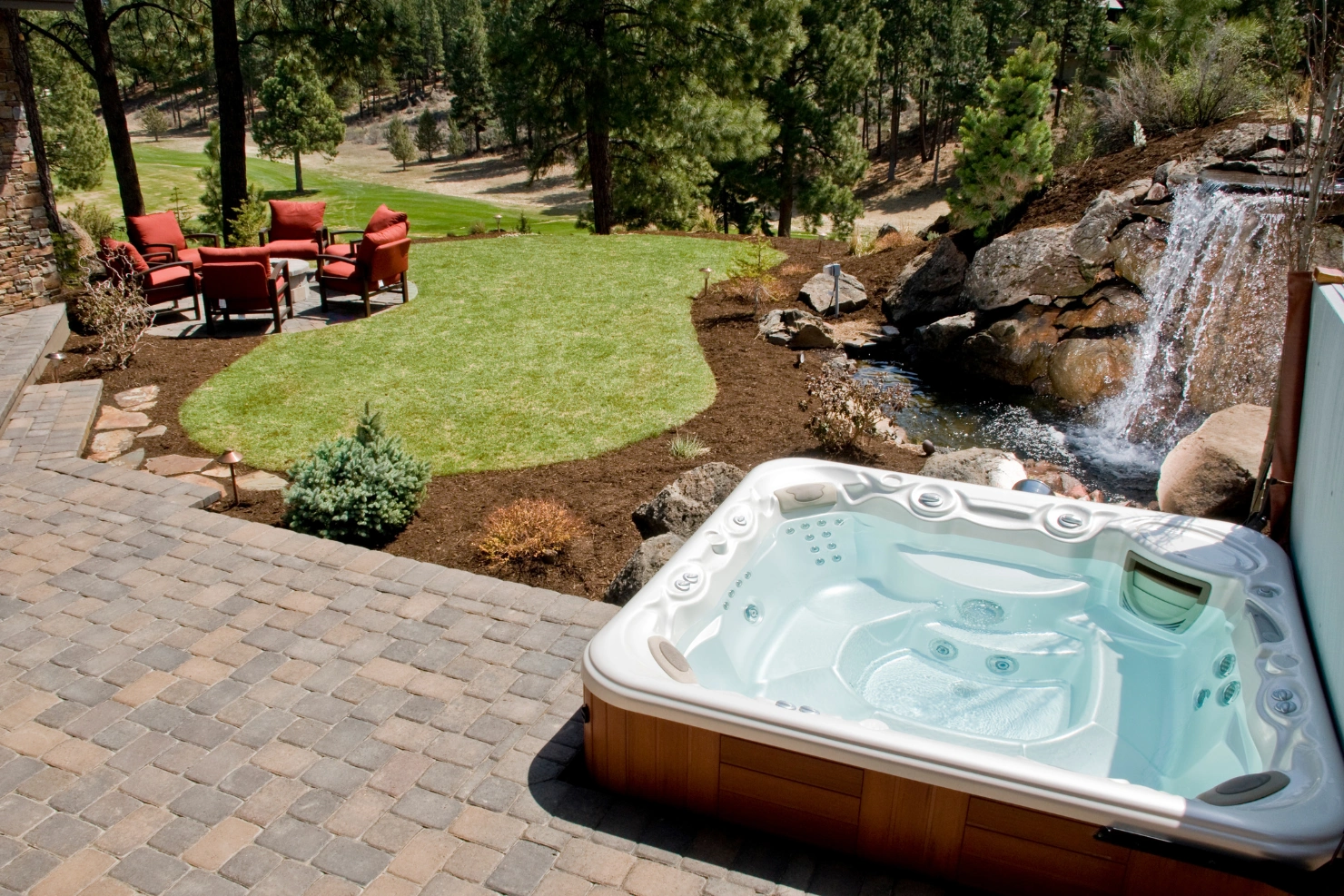
The cover and exterior affect cleanliness, heat retention, safety, and appearance. A damaged or waterlogged cover can allow debris into the water and make the heater work harder to maintain temperature.
During service, the cover should be inspected for cracks, sagging, broken straps, torn seams, water absorption, and poor fit. The shell should also be checked for surface damage, stains, cracks, or dull areas that need cleaning or polish.
The area around the hot tub should stay clear of leaves, dirt, pests, and standing water. Keeping the outside clean helps reduce debris entering the spa and makes equipment access easier during inspections.
Pro Tip: Keep a simple hot tub log with water test results, filter cleaning dates, drain dates, and any unusual sounds or error codes. This makes it easier for technicians to spot patterns and diagnose problems faster during service.



