
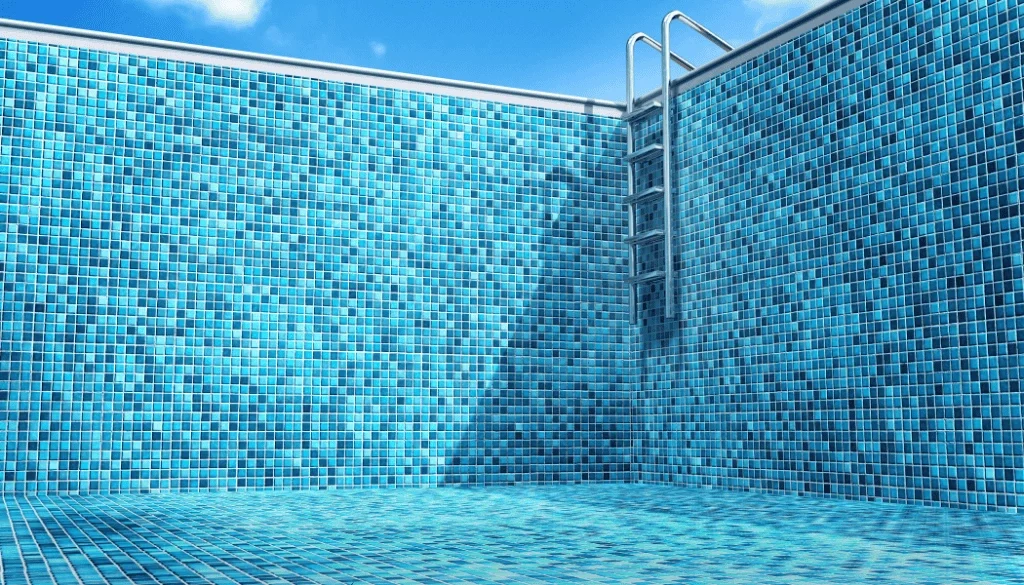
Top Signs Your Pool Tiles Need Deep Cleaning
If you’ve noticed your pool looking a little dull lately, the culprit might not be the water — it could be the tiles. Over time, minerals, sunscreen residue, and algae can build up, dulling the sparkle that once made your pool inviting.
“But how can you tell when it’s time for a deep clean and not just a quick scrub?“
Regular cleaning helps maintain beauty, but a true professional tile cleaning can restore clarity, prevent damage, and make your pool shine like new again.
Key Takeaways
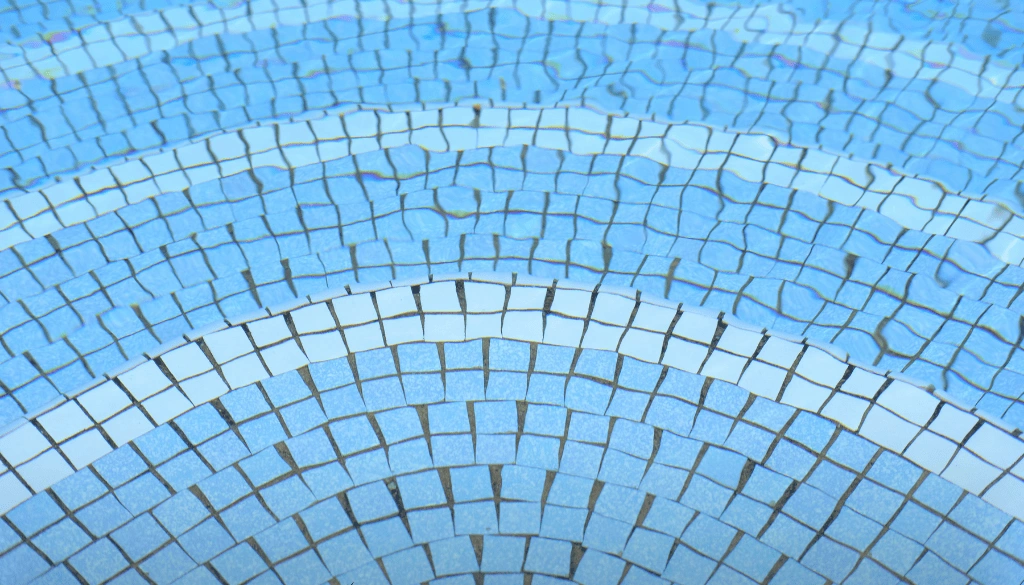
Why Clean Pool Tiles Matter More Than You Think
A clean pool is more than just a reflection of good maintenance — it’s a matter of health, safety, and longevity. In Sterling, VA, pool owners deal with hard water, high calcium levels, and fluctuating temperatures that speed up tile buildup and wear.
Dirty or stained tiles can:
- Harbor bacteria and algae, creating a slippery surface.
- Alter pH balance, making sanitizers less effective.
- Cause structural issues when scale or deposits erode grout lines.
Routine maintenance keeps your pool looking great, but when buildup becomes visible, professional cleaning prevents permanent surface damage and costly repairs.
Sign #1. White or Chalky Buildup Along the Waterline
One of the most common and visible signs your pool tiles need deep cleaning is the appearance of white, chalky residue along the waterline.
This residue is usually calcium scale, a result of hard water evaporating and leaving behind calcium carbonate or calcium silicate deposits. Over time, this layer thickens, dulling your tile’s finish and creating rough, unsightly edges. Regular chemical delivery and management help prevent these mineral buildups by maintaining balanced water chemistry, keeping your pool surfaces smooth and spotless.
Brushing won’t help much once scale hardens. In fact, scrubbing too aggressively can scratch your tiles. That’s why professionals use acid washing or bead blasting, which safely removes mineral buildup while preserving the surface underneath—an important step before applying coatings or treatments that support an energy-efficient pool system.
Sign #2. Discolored or Stained Tiles
When your pool tiles start to lose their shine or develop blotchy spots, deep stains are to blame.
In Sterling, discoloration often results from metal oxidation, sunscreen residue, or chemical imbalances. Copper and iron in water can create green, brown, or rust-colored stains that won’t fade with simple brushing.
DIY products can worsen the problem if they’re too harsh or incompatible with the tile type. Certified technicians use pH-balanced stain removers and precision tools designed for ceramic, porcelain, or glass surfaces — restoring brightness without damage.
Sign #3. Slippery or Slimy Surfaces
If the pool steps or tiles feel slippery underfoot, you’re likely dealing with a thin biofilm of algae and bacteria.
Even with balanced chlorine levels, organic matter can cling to the tiles, feeding on oils and dirt. Besides being unpleasant, this film creates a serious slip hazard, especially around shallow areas.
Professional cleaning uses enzyme-based treatments and pressurized cleaning systems to break down and remove this buildup at the microscopic level, ensuring a safe, smooth surface for every swimmer.
Sign #4. Dull, Cloudy, or Green-Tinted Water
When your pool water stays cloudy despite filtration, it could be your tiles causing the problem.
Tile grime affects chemical balance and water clarity. Calcium buildup raises the pH level, reducing the effectiveness of chlorine and leading to persistent cloudiness or a faint green tint.
A deep tile cleaning resets this chemical balance by eliminating the contaminants that keep reacting with your pool water. Once restored, you’ll notice clearer water and more stable sanitizer levels.
Sign #5. Grout Lines Turning Dark or Cracked
Dark, cracked, or eroded grout is a sure sign that your pool tiles need professional attention.
Grout naturally absorbs water over time, and when mixed with dirt, oil, and calcium deposits, it becomes a perfect breeding ground for bacteria. Left untreated, grout erosion can cause tile detachment or allow water to seep behind the tile surface, weakening the structure.
Professionals will reclean, regrout, and reseal the area using waterproof compounds designed for constant submersion — restoring both durability and appearance.
Sign #6. Persistent Algae Growth Even After Treatment
If you’re constantly fighting algae blooms even after chemical shock treatments, the problem might be trapped within the tile surface.
Microscopic pores in the grout and tile surface allow algae to root deeply, surviving standard chlorine levels. Once it anchors in, it can reappear within days.
A deep cleaning removes both surface and root colonies, preventing regrowth. Afterward, maintaining proper chlorine and pH levels keeps your water balanced and algae-free.
The Local Factor: Why Sterling, VA Pools Need Extra Care
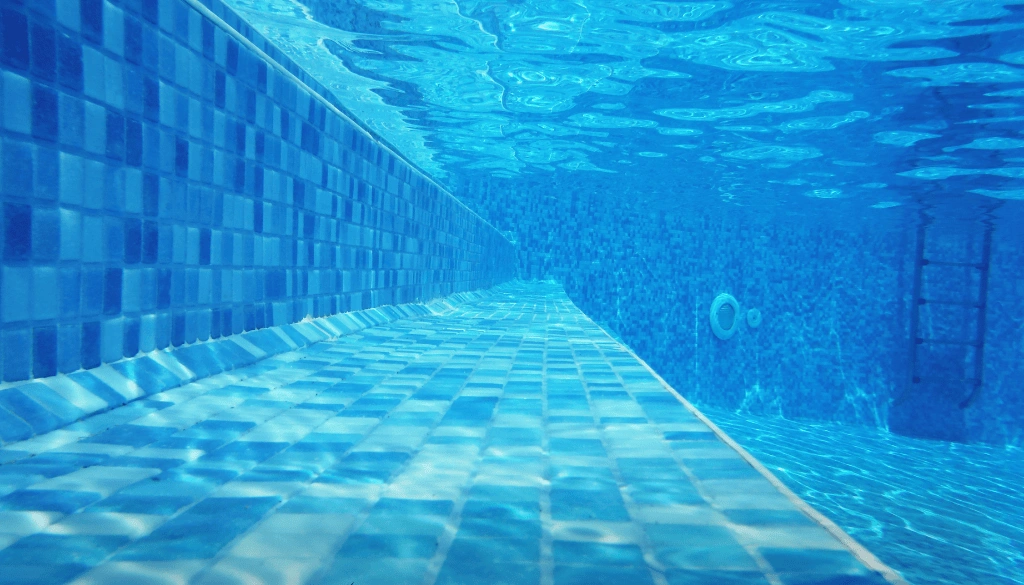
Pools in Sterling and Northern Virginia face a unique challenge: hard water and mineral-rich soil. As water evaporates, calcium and magnesium remain behind, creating thick white scale along tiles and water features.
The area’s seasonal changes — hot summers and chilly winters — cause fluctuating pH and mineral precipitation. Combine that with occasional pollen surges and runoff, and you get a recipe for constant tile buildup.
That’s why companies like Residential Pool Service LLC tailor their approach with specialized acid-neutral cleaning solutions, water testing, and post-cleaning balancing for local conditions.
Professional Tile Cleaning vs. DIY Efforts
Even diligent homeowners can only do so much with basic tools. Here’s how DIY cleaning compares to professional tile care:
| Aspect | DIY Cleaning | Professional Cleaning |
|---|---|---|
| Tools Used | Household brushes, mild acids | Bead blasting, pressure systems, pH-balanced chemicals |
| Effectiveness | Removes light grime only | Removes calcium, stains, and biofilm completely |
| Risk of Damage | High if using wrong tools or cleaners | Low — handled by trained specialists |
| Time & Effort | Labor-intensive, multiple sessions | Efficient, usually completed in one visit |
| Longevity of Results | Short-term improvement | Long-term protection and restored shine |
For best results, homeowners should brush weekly and schedule deep cleaning at least once a year — ideally before or after the swimming season.
Final Thoughts: Don’t Wait Until It’s Too Late
Pool tiles are easy to overlook until buildup becomes impossible to ignore. But waiting too long can lead to expensive restoration, surface replacement, or even waterline damage.
If you notice white scaling, slippery spots, or fading color, it’s time for a professional deep clean. Regular maintenance doesn’t just preserve your pool’s beauty — it safeguards your investment, enhances water hygiene, and keeps your swimming experience safe and enjoyable all season long.
👉 Keep your Sterling, VA pool in top shape with professional tile cleaning from Residential Pool Service LLC — your trusted local experts in pool care and maintenance.



