
Concrete vs. Fiberglass Pools: How Brushing Needs Differ
When it comes to maintaining a sparkling clean and healthy swimming pool, brushing is one of the most underrated yet vital maintenance tasks. It’s not only about keeping surfaces spotless — it’s also about preserving the integrity of your pool structure and ensuring water clarity.
“But does the type of pool you own — concrete or fiberglass — change how often and how thoroughly it should be brushed?”
The answer is yes — and understanding these differences can help you protect your investment and enjoy a longer-lasting, cleaner pool.
Key Takeaways
Why Pool Brushing Matters
Brushing is more than cosmetic maintenance — it’s preventive care that shields your pool from algae, stains, and surface degradation.
Brushing your pool helps remove dirt, algae spores, and calcium buildup that the filtration system can’t catch. Over time, contaminants settle on the pool walls and floor, where they begin to form biofilm and discoloration. Regular brushing keeps your pool’s sanitizer and circulation systems effective by preventing this buildup.
A properly brushed pool also promotes even chemical distribution, especially after shock treatments or chlorine adjustments. Without brushing, chemicals can stagnate in corners and along steps, creating uneven water chemistry. Consistent brushing improves water balance, minimizes chlorine demand, and extends the lifespan of both the pool surface and equipment.
Understanding Pool Surface Types
Each pool surface reacts differently to brushing, and understanding your material is key to choosing the right tools and frequency.
Concrete Pools
Concrete pools (also called gunite or shotcrete pools) are the most durable and customizable, but their porous texture makes them more susceptible to algae growth and staining. The rough surface allows microscopic organisms and minerals to settle and cling tightly, requiring frequent brushing to prevent buildup.
Fiberglass Pools
Fiberglass pools feature a smooth, non-porous gelcoat surface that naturally resists algae and stains. However, that sleek surface can still develop a thin biofilm layer if not cleaned regularly. The gelcoat finish can be scratched by hard brushes, so gentle care is essential—especially if your pool includes a pool water feature, which can introduce extra moisture and movement that may encourage buildup in certain areas.
Because the two materials behave differently, brushing routines must be tailored — what’s ideal for concrete can be damaging for fiberglass.
Brushing Requirements for Fiberglass Pools
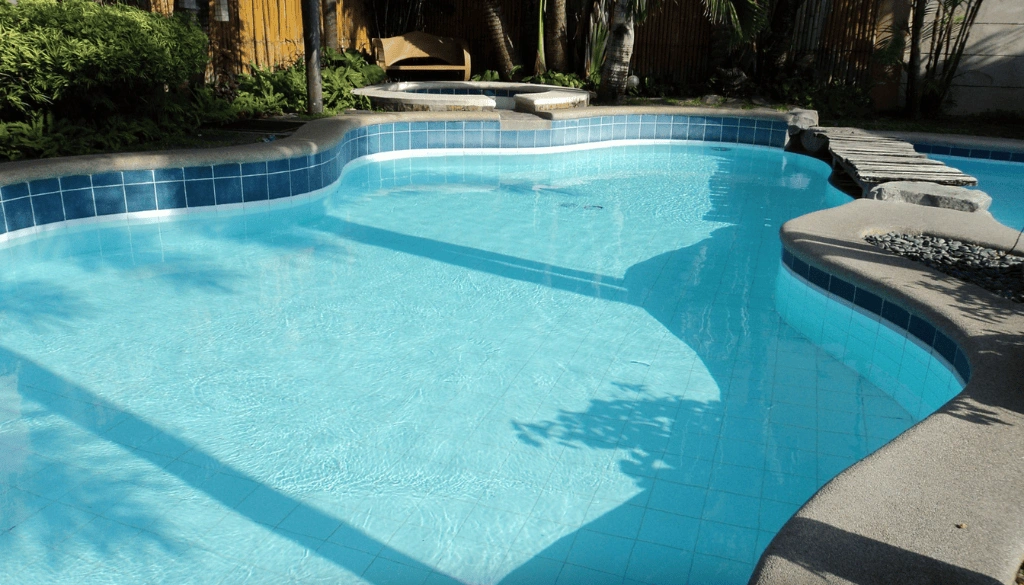
While fiberglass pools are low-maintenance, they still require careful brushing to prevent biofilm buildup and maintain their glossy finish.
Recommended Brush Type
Fiberglass surfaces should always be brushed using soft-bristle nylon or silicone brushes. Metal brushes can scratch the gelcoat, leading to dull patches or micro-cracks that trap debris. Specialized “soft-touch” pool brushes are ideal for this surface type.
Frequency
Fiberglass pools generally need brushing every 2–3 weeks, though more frequent cleaning may be necessary if the pool is shaded, surrounded by vegetation, or used heavily.
Even though algae have a harder time attaching to fiberglass, fine dust and oils can collect on the smooth surface, eventually forming a biofilm that resists normal sanitizers.
Technique
Use light, sweeping motions, focusing on waterlines, steps, and corners. Avoid pressing too hard — excessive force can dull the gelcoat over time. Always rinse the brush after use to prevent chemical residue from hardening the bristles.
Common Issues
- Biofilm Growth: A slimy layer that develops from body oils and sunscreen.
- Surface Staining: From minerals or leaves sitting too long on the pool floor.
- Micro-scratches: From using the wrong type of brush.
Gentle yet consistent brushing will help retain the pool’s glossy appearance and extend the life of the gelcoat finish.
Concrete vs. Fiberglass Brushing Comparison
The brushing method, frequency, and tools differ based on the pool’s surface. Here’s a quick side-by-side comparison.
| Aspect | Concrete Pools | Fiberglass Pools |
|---|---|---|
| Surface Type | Porous, rough, prone to algae and scaling | Smooth, non-porous, algae-resistant |
| Recommended Brush | Stainless steel or stiff nylon | Soft nylon or silicone |
| Brushing Frequency | 1–2 times per week | Every 2–3 weeks |
| Brushing Pressure | Firm strokes for deeper cleaning | Gentle strokes to avoid scratches |
| Common Issues Prevented | Algae, calcium scaling, staining | Biofilm buildup, light staining |
Common Mistakes to Avoid
Even well-intentioned pool owners make errors that can reduce cleaning effectiveness or damage the pool surface.
- Using the Wrong Brush Type – Hard metal brushes on fiberglass or new plaster can cause permanent surface damage.
- Skipping Corners and Steps – Algae often start in shaded or recessed areas that brushes can easily miss.
- Over-Brushing Fiberglass – Excessive force wears down the gelcoat prematurely.
- Neglecting Brushing in Cooler Months – Algae can still thrive in mild winter temperatures.
- Not Cleaning the Brush After Use – Dirty brushes spread spores and residue back into the pool.
Avoiding these mistakes ensures a thorough, safe cleaning routine for any pool type.
Conclusion
Both concrete and fiberglass pools need brushing — but the right technique makes all the difference. Concrete pools demand frequent, vigorous cleaning to manage their porous surfaces, while fiberglass pools require gentle, occasional brushing to maintain a smooth, glossy finish. Regular brushing not only improves your pool’s appearance but also enhances sanitation, extends lifespan, and protects your investment.
Whether you handle it yourself or hire experts, consistent brushing will keep your pool sparkling, safe, and ready for every swim.
If you want professional pool brushing in Maryland, Virginia, or Washington DC, contact our pool maintenance specialists today. We ensure every surface shines — safely and efficiently.



