
Pool Brushing Mistakes Homeowners Make and How to Avoid Them
Pool brushing seems simple—grab a brush, scrub the walls, and you’re done. But small mistakes in how, when, and where you brush can quietly damage your pool’s surfaces, invite algae, and waste your chemicals.
“Are you sure you’re brushing your pool the right way, or are you unintentionally making it harder to keep clean?”
From using the wrong type of brush to skipping problem areas like steps, corners, and waterlines, many homeowners don’t realize their habits are working against them.
In this guide, we’ll walk through the most common pool brushing mistakes, what to do instead, and when it makes sense to call in professional help so your pool stays cleaner, safer, and easier to maintain.
Key Takeaways
Why Proper Pool Brushing Matters More Than You Think
Even if your water looks clear, what’s happening on your pool surfaces matters just as much. Brushing is not just cosmetic; it’s one of the foundations of a healthy, long-lasting pool.
Regular brushing helps remove film, dirt, and early algae growth before they become obvious problems. It also keeps surfaces smoother, which makes them harder for algae and bacteria to cling to and easier for your sanitizer to work effectively.
When you brush your pool correctly:
- You improve water clarity by keeping fine debris and biofilm from sticking to walls and floors.
- You prevent algae growth by breaking up microscopic colonies before they spread.
- You help chemicals circulate so sanitizer doesn’t just sit in certain areas while others are neglected.
- You support the longevity of your pool finish, especially in plaster or concrete pools that are prone to buildup.
Skipping or rushing this step might not hurt you overnight, but over time it’s one of the main reasons pools turn cloudy, slippery, or stained.
Common Pool Brushing Mistakes Homeowners Make
Most brushing problems come down to frequency, tools, and technique. The good news? Once you know what to avoid, it’s easy to correct.
Mistake #1 – Brushing Too Infrequently
Many homeowners wait until the pool “looks dirty” before brushing. By that point, algae and film have already started to establish themselves.
- For a typical backyard pool, brushing at least once a week is a smart baseline.
- High-traffic pools with lots of swimmers, parties, or kids using the pool often benefit from two to three times per week.
- In warmer climates or during peak summer, more frequent brushing helps keep up with higher algae growth rates.
On top of your own routine, monthly professional brushing or cleaning can help deep-clean concrete surfaces and problem spots that are starting to show buildup.
Mistake #2 – Using the Wrong Brush for Your Pool Surface
Not all pool surfaces are the same, and neither are pool brushes. Using the wrong type can leave your pool under-cleaned—or worse, damaged.
- Concrete or plaster pools: Often use brushes with stainless steel or combo (nylon + stainless) bristles to tackle tougher buildup.
- Vinyl and fiberglass pools: Need softer nylon bristles to avoid scratching or wearing down smooth finishes.
If you’re using a stiff metal brush on a vinyl or fiberglass pool, you risk scuffs, scratches, or dull patches that are harder to clean later. Always match the brush to the pool material.
Mistake #3 – Skipping Hard-to-Reach or “Hidden” Areas
It’s easy to sweep over the big open walls and floor and call it a day. But algae loves the places you don’t.
Commonly missed spots include:
- Steps and benches
- Corners and curves
- Around ladders and handrails
- Along the waterline tile
- Behind pool lights and fittings
These areas often have less circulation, so debris and algae settle more easily. Make it a habit to give them extra attention during every brushing session.
Mistake #4 – Brushing Without Running the Filtration System
Brushing loosens dirt, algae, and fine debris from the walls and floor. If your pump and filter aren’t running, that debris can simply resettle.
Ideally, you should:
- Run the pump and filtration while brushing.
- Allow the system to run for several hours afterward to capture what you’ve stirred up.
This way, the particles you’ve removed are actually pulled into the filter instead of drifting back down to surfaces.
Mistake #5 – Brushing Too Aggressively or Too Fast
More force doesn’t always mean more clean. Pressing too hard or scrubbing at high speed can:
- Wear down plaster prematurely
- Stress vinyl seams
- Roughen surfaces, making them more likely to hold algae
Aim for steady, firm but controlled strokes, overlapping as you go, rather than racing through the job.
Mistake #6 – Ignoring Stains and Calcium Buildup
Some marks won’t vanish with normal brushing alone. Stubborn stains, calcium scale, or metal discoloration usually need more than just elbow grease.
If you have:
- White, rough, chalky deposits
- Brown, green, or rust-colored stains that don’t lighten with brushing
It may be time for a specialized stain treatment or scale removal. At this point, aggressive brushing can actually cause damage.
Mistake #7 – Relying Only on Chemicals After an Algae Problem
If you’ve recently treated algae with shock or algaecide and skipped brushing, dead algae can cling to surfaces and come back faster.
Brushing is crucial after treatment because it:
- Breaks up algae clumps and biofilm
- Helps sanitizer reach every spot
- Prevents the same areas from becoming repeat trouble zones
Chemicals and brushing work together; neither can do the entire job alone.
How to Brush Your Pool the Right Way
Once you know what to avoid, it’s time to build a simple, repeatable routine you can follow every week.
A good brushing approach doesn’t have to be complicated, but it should be consistent. You want to cover the entire pool methodically, not just the areas you notice first.
Step-by-Step Brushing Routine for Homeowners
Here’s a straightforward routine you can use for most pools:
- Turn on the pump and filtration system so loosened debris is captured.
- Start at the shallow end, brushing walls from top to bottom with overlapping strokes.
- Work your way around the pool, brushing all the walls.
- Pay special attention to steps, benches, corners, around ladders, and the waterline.
- Finish with the floor, pushing debris toward the main drain or deeper end.
- After brushing, allow the filter to run several hours. Vacuum if needed to pick up remaining debris.
Pro Tip: If you feel your schedule slipping, pair brushing with an existing habit—like testing your pool water or skimming the surface. Doing all three tasks together once or twice a week makes it more likely you’ll stay consistent and catch issues early.
Choosing the Right Brush and Tools
At minimum, you’ll want:
- A brush matched to your pool surface (nylon for vinyl/fiberglass, steel or combo for concrete/plaster).
- A telescopic pole to reach deep areas and walls comfortably.
- A vacuum head and hose or robotic cleaner to follow up when there’s lots of loosened debris.
Inspect your brush regularly—if bristles are worn down, bent, or missing, it’s time for a replacement. A tired brush simply won’t clean effectively.
Ideal Brushing Schedule for Different Pools
Use this as a general guideline, then adjust based on your climate, pool usage, and surrounding environment:
| Pool Type / Use | Homeowner Brushing Frequency | Professional Brushing / Deep Cleaning |
|---|---|---|
| Standard backyard pool | 1–2 times per week | Every 1–2 months |
| High-traffic or heavily used pool | 2–3 times per week | Monthly |
| Concrete pool in warm, sunny climate | 2–3 times per week | Monthly |
| Vinyl or fiberglass pool, light use | Weekly | Every 2–3 months |
| Pool near trees or heavy debris areas | 2 times per week | Every 1–2 months |
Remember: this table is a starting point. If you notice slippery walls, cloudy water, or recurring algae, it’s a sign to increase brushing and consider a professional service visit.
Why Professional Pool Brushing Makes a Big Difference
Even if you’re careful and consistent, there are times when expert help is the fastest way to get your pool back to looking its best.
Professional pool technicians don’t just brush—they inspect, diagnose, and coordinate brushing with the right chemistry and filtration so the results last longer.
What Professional Pool Brushing Looks Like
A professional brushing service typically includes:
- A thorough inspection of the pool’s walls, floor, steps, and waterline.
- Identification of algae growth, stains, or calcium buildup that needs special attention.
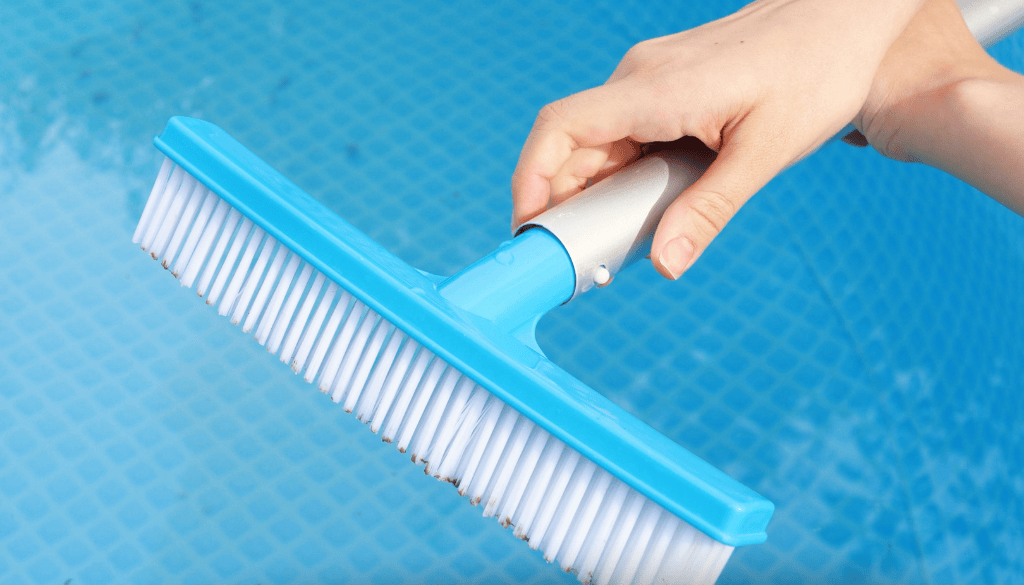
- Using specialized brushes and tools appropriate for your pool surface.
- Coordinating brushing with water testing, chemical balancing, and filtration to maximize results.
For concrete or plaster pools, regular professional brushing can help keep surfaces smoother, reducing rough spots where algae and scale can grab hold.
When It’s Time to Call a Professional
Consider calling in a pro if:
- You keep brushing but algae still comes back quickly.
- You see stains or rough deposits that don’t improve with normal brushing.
- Your pool feels like too much work to keep up with a consistent brushing schedule.
- You’re unsure what’s safe for your specific surface and don’t want to risk damage.
Professional brushing and maintenance can save you time, protect your pool finish, and reduce the chances of needing more expensive repairs later.
Preventing Future Brushing Mistakes
Once your pool is clean and under control, your goal is to keep it that way with as little stress as possible.
Prevention is all about having a simple routine and paying attention to early warning signs before they turn into big problems.
Here are some easy habits to adopt:
- Create a weekly checklist that includes brushing, skimming, and checking the filter.
- Log your brushing days alongside chemical testing so you can see patterns.
- Watch for early clues: slippery walls, dull surfaces, or fine dust on the floor.
- Increase brushing frequency during hot weather, heavy use, or storms that blow in debris.
The more consistent you are, the less likely you are to face stubborn algae or stains that demand intensive treatment.
Conclusion: Brush Smarter, Not Harder
Most pool brushing mistakes come down to simple misunderstandings: brushing too rarely, using the wrong tools, skipping key areas, or relying on chemicals alone. By adjusting your routine—brushing consistently, matching your brush to your pool surface, and coordinating with filtration—you can dramatically improve water clarity and protect your pool finish.
Ready to stop fighting stubborn algae, stains, and cloudy water on your own? Let Residential Pool Services LLC handle the heavy brushing and detailed maintenance for you. Schedule a professional pool brushing visit today and enjoy a cleaner, safer, low-stress swimming experience when you step outside with your family nearby.



