
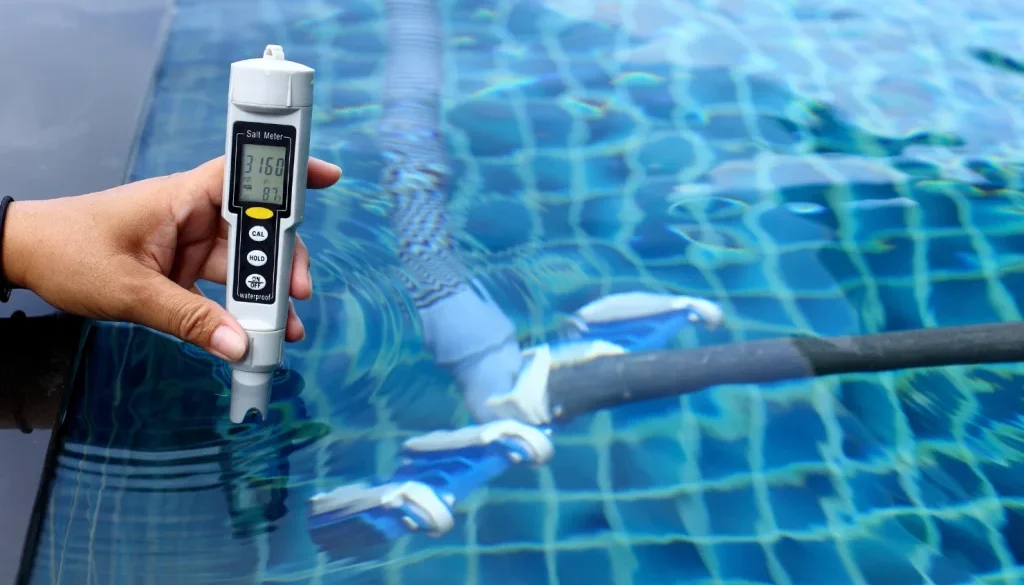
Why Regular Water Testing Is Essential For Pool Chemical Balance
Regular water testing is one of the most important parts of keeping a swimming pool clean, safe, and comfortable. Even when the water looks clear, the chemical levels may still be off, which can lead to algae growth, cloudy water, skin irritation, eye discomfort, or damage to pool equipment.
“But how can you know if your pool water is truly balanced without testing it regularly?”
By checking the water chemistry consistently, pool owners can catch small issues early, adjust chemicals correctly, and maintain a healthier swimming environment all season long.
Key Takeaways
- Regular testing prevents chemical balance problems.
- Clear water can still be unsafe.
- Balanced water protects swimmers and equipment.
- Professional management reduces pool care guesswork.
- Proper chemical handling improves pool safety.
What Pool Water Testing Actually Measures
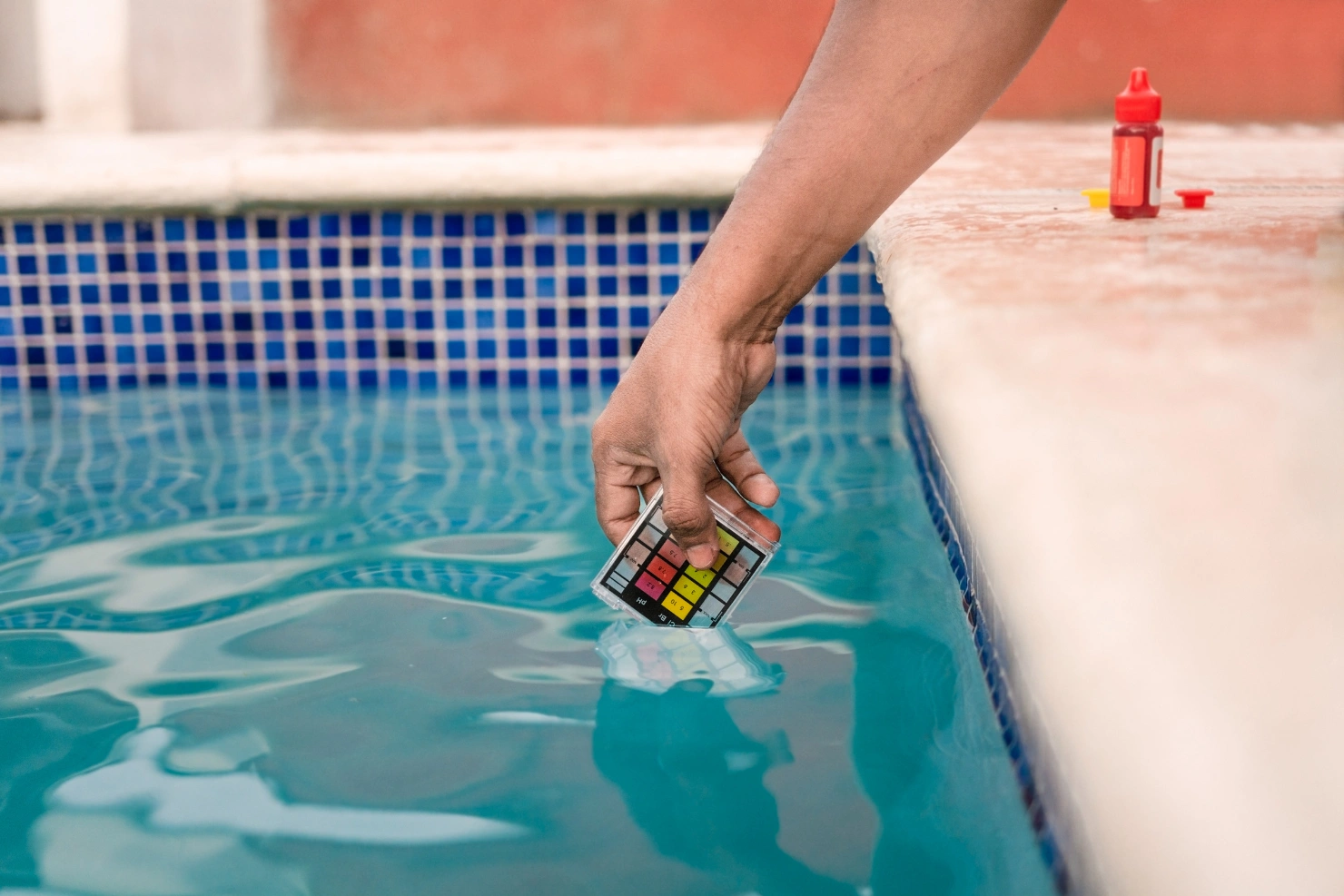
Pool water testing helps you understand what is happening beneath the surface. Clear water may look inviting, but chemical balance depends on several readings working together, not just one number.
The most common water tests measure sanitizer levels, pH, alkalinity, calcium hardness, and sometimes stabilizer levels. Each one affects how safe, comfortable, and stable your pool water is.
Chlorine Levels
Chlorine helps disinfect pool water by reducing germs and contaminants. According to the CDC, pool chemicals help protect swimmers from germs and support proper disinfection, but they must also be used safely.
If chlorine is too low, algae and bacteria may grow more easily. If it is too high, swimmers may experience discomfort, especially around the skin and eyes.
pH Balance
pH measures how acidic or basic your pool water is. This matters because pH affects both swimmer comfort and how well chlorine works.
When pH rises too high, chlorine becomes less effective at killing germs. A proper pH range also helps reduce eye and skin irritation for swimmers.
Alkalinity Levels
Total alkalinity helps stabilize pH. When alkalinity is too low, pH can swing quickly. When it is too high, pH may become difficult to adjust.
Balanced alkalinity makes pool care more predictable. It helps prevent constant chemical corrections and supports more stable water conditions.
Calcium Hardness
Calcium hardness measures the amount of dissolved calcium in the water. If calcium is too low, water may become aggressive and contribute to corrosion. If it is too high, scaling can form on surfaces, tile lines, plumbing, and equipment.
This is especially important for pools with plaster, tile, heaters, and metal parts.
Why Clear Pool Water Can Still Be Chemically Unbalanced
Many pool owners judge water quality by appearance. While cloudy, green, or foamy water is an obvious warning sign, clear water does not always mean the chemistry is correct.
A pool can look clean while still having low sanitizer, high pH, unstable alkalinity, or early signs of imbalance. That is why visual checks should never replace water testing.
For example, chlorine may be too low after heavy pool use, rain, high heat, or organic debris entering the water. The pool may still look fine for a short time, but the chemistry may already be moving in the wrong direction.
Regular testing helps reveal problems before they become visible. This gives you time to make small corrections instead of waiting until the pool needs major treatment.
How Regular Testing Helps Prevent Algae Growth
Algae often develops when sanitizer levels drop or when water chemistry becomes unstable. Once algae starts spreading, it can make surfaces slippery, turn water green or cloudy, and require more aggressive cleaning and chemical treatment.
Regular water testing helps prevent algae by showing when chlorine, pH, and other levels need adjustment. This is especially important during warm weather, after storms, or when the pool gets heavy use.
Common warning signs of possible algae or chemical imbalance include:
- Green, yellow, or cloudy water
- Slippery pool steps or walls
- Reduced water clarity
- Dirt that keeps returning after brushing
- Strong chemical odor
- Frequent need for shock treatments
A strong chemical smell does not always mean there is too much chlorine. In many cases, it can be related to chloramines, which form when chlorine reacts with contaminants brought into the water by swimmers.
How Water Testing Protects Swimmers
Balanced pool water is not only about appearance. It directly affects how the water feels to the people using the pool.
When pool chemistry is off, swimmers may notice burning eyes, dry skin, itchy skin, or an unpleasant odor. Poor sanitizer control may also reduce the pool’s ability to manage germs effectively.
Testing helps keep the water within safer, more comfortable ranges. It also helps pool owners avoid guessing when adding chemicals.
This is especially important for:
- Families with children
- Frequent swimmers
- Pools used for parties or gatherings
- Commercial or shared pools
- Pools exposed to heavy sun, leaves, or rain
For Residential Pool Services LLC, regular testing is the foundation of responsible pool chemical management. It allows each pool to be treated based on actual water conditions instead of assumptions.
How Chemical Balance Protects Pool Equipment
Poor water chemistry can slowly damage expensive pool components. The damage may not be obvious at first, but over time it can lead to staining, scaling, corrosion, leaks, or reduced equipment performance.
Balanced water helps protect:
- Pumps
- Filters
- Heaters
- Pool liners
- Plaster surfaces
- Tile and grout
- Metal rails and ladders
- Plumbing lines
- Automatic pool systems
Water that is too acidic can contribute to corrosion. Water with high calcium hardness can lead to scale buildup. High or unstable pH can make chemical treatment less effective and create more maintenance problems.
Regular testing helps reduce these risks. It gives pool owners and service professionals the information needed to adjust chemicals before damage starts.
How Often Should Pool Water Be Tested?
Testing frequency depends on how often the pool is used, the weather, the season, and whether chemicals were recently added. A pool that is used every day will usually need more frequent testing than a pool used only occasionally.
The table below gives a practical guide for common situations.
| Pool Situation | Recommended Testing Frequency | Why It Matters |
|---|---|---|
| Normal residential pool use | 2–3 times per week | Helps maintain steady chemical balance |
| Heavy swimming activity | Daily or after use | Swimmers add oils, sweat, and contaminants |
| After rain or storms | As soon as possible | Rain can affect pH, sanitizer, and debris levels |
| During hot weather | More frequently | Heat and sunlight can reduce sanitizer levels faster |
| After adding chemicals | After proper circulation time | Confirms whether the adjustment worked |
| Before a pool party | Same day | Helps ensure safer more comfortable water |
| If water looks cloudy | Immediately | Identifies the cause before it worsens |
Testing is not just a reaction to problems. It is a prevention tool. The more consistent the testing schedule, the easier it is to keep the pool clear and balanced.
DIY Testing Vs. Professional Water Testing
Pool owners can test their own water using test strips, liquid test kits, or digital testers. These tools can be useful for routine checks, especially between professional service visits.
However, DIY testing can also lead to mistakes if the strips are expired, the sample is taken incorrectly, or the results are misread.
DIY Testing
DIY testing is convenient and affordable. It helps pool owners stay aware of basic water conditions and identify obvious problems early.
However, DIY testing may not always provide the full picture. Some tests are less precise, and many pool owners may not know how one reading affects another.
Professional Testing
Professional testing provides a more detailed look at pool water chemistry. It also gives pool owners expert guidance on what chemicals are needed, how much to use, and when to apply them.
A professional can also spot patterns. For example, if pH keeps rising or chlorine keeps dropping quickly, there may be an underlying issue that needs more than a one-time chemical adjustment.
Why Professional Chemical Management Makes Pool Care Easier

Professional chemical management removes much of the guesswork from pool care. Instead of buying chemicals randomly or adjusting water based only on appearance, your pool receives treatment based on actual test results.
Residential Pool Services LLC can help make pool maintenance more convenient by managing the testing, delivery, handling, and application process.
Professional chemical management can help with:
- Accurate water testing
- Proper chemical selection
- Safer chemical handling
- Scheduled chemical delivery
- Consistent water monitoring
- Better protection for pool equipment
- Fewer surprise water problems
- Less time spent troubleshooting
Pool chemicals can be helpful when used correctly, but they can also cause injuries if handled improperly. The CDC notes that pool chemicals support disinfection but must be used safely. Professional service helps reduce the risk of improper handling, incorrect dosing, and unsafe storage practices.
Common Pool Chemical Balance Mistakes To Avoid
Many pool problems come from small mistakes repeated over time. Regular testing helps prevent these mistakes because it gives you real numbers before chemicals are added.
Some common mistakes include:
- Adding chemicals without testing first
- Assuming clear water is always safe
- Ignoring pH and alkalinity
- Overusing chlorine
- Not retesting after treatment
- Mixing chemicals together
- Storing chemicals in damp areas
- Using old or expired test strips
- Waiting until algae appears to take action
- Forgetting to test after rain or heavy use
Pool chemicals should be stored carefully. The EPA recommends keeping pool chemicals dry and maintaining designated storage areas so water does not contact containers or packaging. Chemicals should also never be mixed together unless the product label specifically instructs it, because improper mixing can create dangerous reactions.
Pro Tip: Test your pool water before adding chemicals, not after guessing. A quick test can prevent overcorrection, wasted chemicals, swimmer discomfort, and long-term equipment damage.
When To Call A Pool Chemical Management Professional
Some pool issues are easy to correct with basic testing and routine maintenance. Others keep coming back because the root cause has not been addressed.
It may be time to call a professional if your pool has repeated chemical problems or if you are unsure how to safely manage the water.
Signs you may need expert help include:
- Cloudy water that keeps returning
- Algae growth after treatment
- Strong chlorine odor
- Burning eyes after swimming
- Itchy or dry skin
- Staining on pool surfaces
- White scale buildup
- Rust or corrosion
- Difficulty keeping chlorine stable
- Confusion about chemical dosage
A professional chemical management service can test the water, identify what is out of balance, and create a treatment plan that fits your pool’s size, usage, and condition.
Conclusion
Regular water testing is essential because it helps keep pool water clean, safe, comfortable, and properly balanced. It protects swimmers, helps prevent algae, and reduces the risk of damage to pool equipment and surfaces.
With professional chemical delivery and management from Residential Pool Services LLC, pool owners can enjoy clearer water, safer chemical handling, and a more reliable maintenance routine without the guesswork.



