
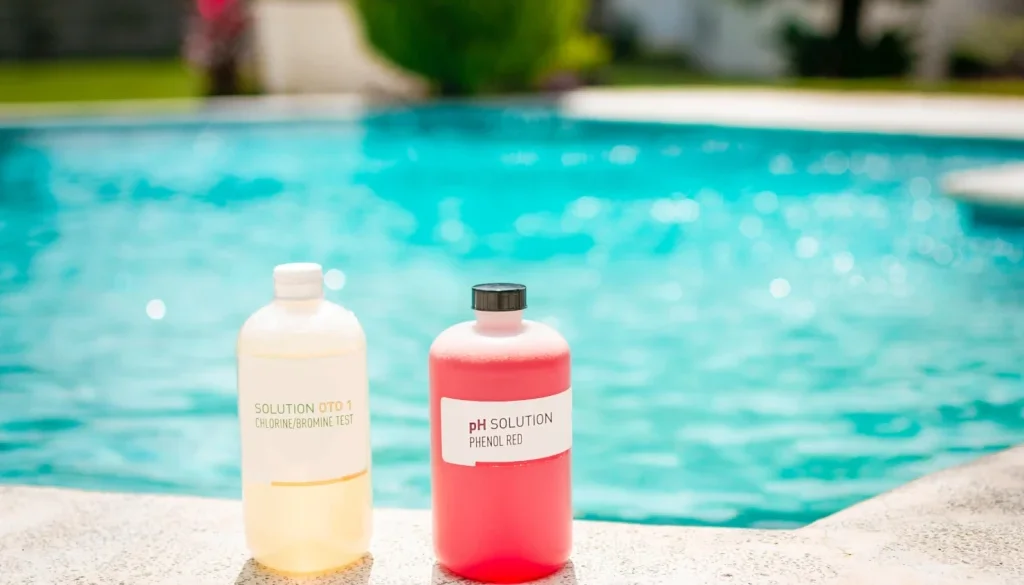
How Professional Acid Cleaning Restores Pool Surfaces
Pool surfaces can lose their clean, bright appearance over time as stains, algae, scale, and mineral buildup settle into the finish. Regular brushing and chemical balancing can help with routine care, but deeper discoloration often needs a stronger cleaning approach.
“So, how does professional acid cleaning restore pool surfaces without causing unnecessary damage?”
The process uses controlled cleaning methods, proper dilution, and careful rinsing to remove stubborn buildup and bring the pool surface closer to its original look.
For homeowners, acid cleaning is not something to treat like normal pool maintenance. It is a deeper service that requires the right timing, safe handling, and proper surface inspection. Residential Pool Service LLC helps pool owners understand whether acid cleaning is the right option or whether another service is a better fit.
Key Takeaways
- Acid cleaning removes stubborn surface stains safely.
- Draining allows proper inspection before cleaning.
- Professionals prevent surface damage during washing.
- Balanced water helps stains stay away.
- Old damaged finishes may need resurfacing.
What Professional Acid Cleaning Means
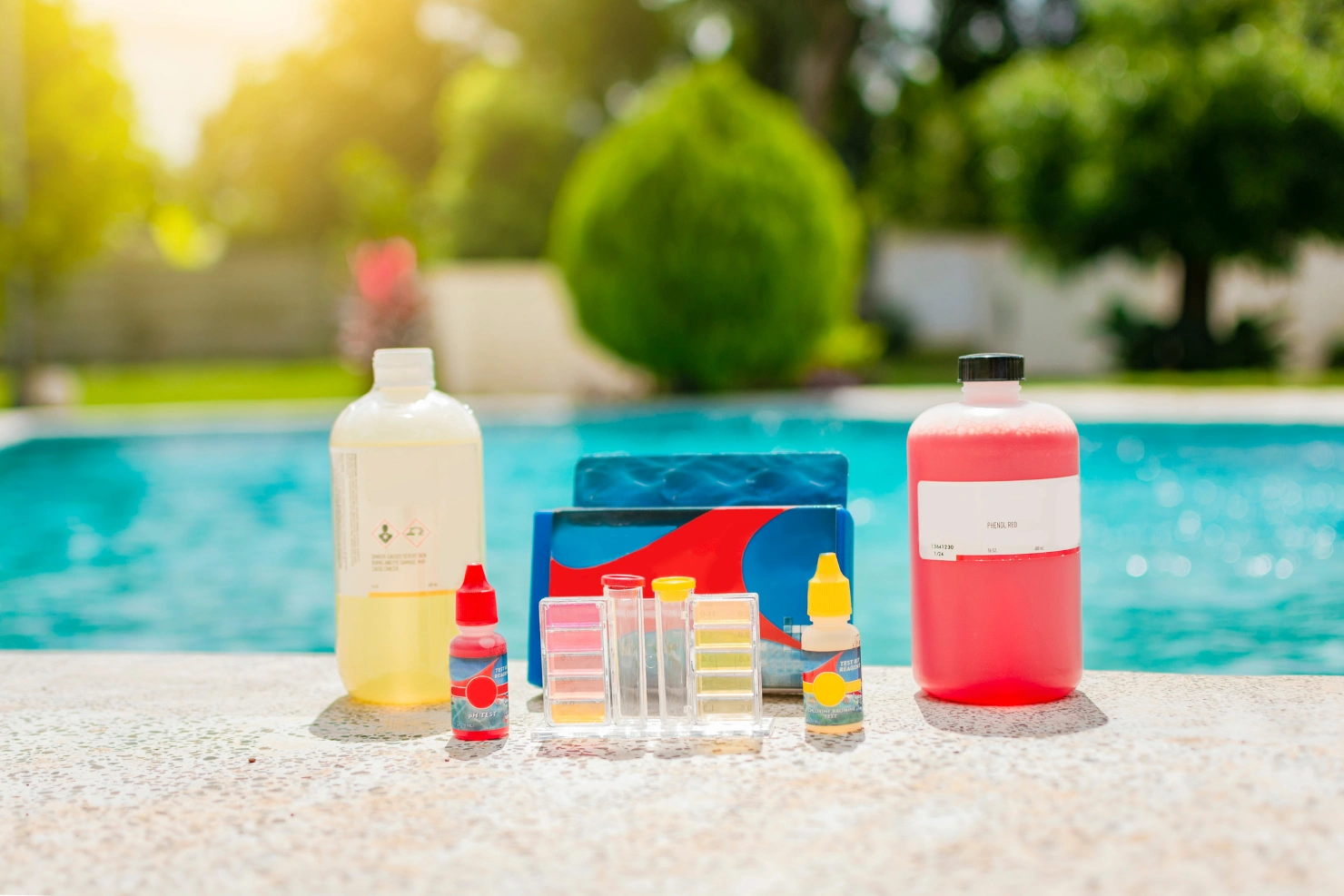
Professional acid cleaning, often called acid washing, is a deep-cleaning process used on drained pools to remove stains, scale, algae marks, and surface buildup. It usually involves applying a diluted muriatic acid solution carefully to compatible pool surfaces, then thoroughly rinsing it away.
This method is most often used on plaster, concrete, or gunite pool surfaces. It is not the same as routine brushing or adding chemicals to the water. Acid cleaning is applied directly to the exposed pool surface after the water has been removed.
Not Regular Cleaning
Routine cleaning focuses on water clarity, debris removal, brushing, vacuuming, and chemical balance. Acid cleaning targets stains and buildup that remain after those steps no longer work.
That is why pool owners should not use acid cleaning as a first response to every stain. It is better used when normal cleaning cannot restore the surface.
Surface-Level Restoration
Acid cleaning can make a stained or dull pool surface look cleaner by removing a thin layer of buildup from the finish. This can reveal a brighter surface underneath.
It does not rebuild plaster, repair cracks, or fix a failing pool surface. If the finish is heavily damaged, resurfacing may be the better long-term solution.
Why Pool Surfaces Become Stained
Pool stains rarely appear for one simple reason. They often develop from a mix of poor water balance, algae growth, hard water minerals, organic debris, and long periods without proper cleaning.
Common causes include:
- Algae growth that settles into porous pool surfaces
- Calcium scale caused by hard water or high calcium levels
- Metal stains from copper, iron, or other minerals
- Leaves, dirt, and organic debris sitting too long
- Unbalanced pH or alkalinity
- Poor sanitation during heavy pool use
- Long periods of cloudy or untreated water
- Old plaster that absorbs stains more easily
A pool can have clear water and still look dirty if the surface has deep staining. This is why water treatment alone does not always solve the problem.
Signs Your Pool May Need Acid Cleaning
Not every stained pool needs acid cleaning. Some discoloration can be treated through brushing, shock treatment, stain removers, or water balancing. Acid cleaning becomes more useful when stains are bonded to the surface and do not respond to basic care.
Watch for these signs:
- Stains remain after brushing
- The surface looks dull, gray, or uneven
- Algae marks keep returning in the same areas
- Calcium scale feels rough to the touch
- The water is clean, but the pool still looks dirty
- Organic stains remain after debris is removed
- The pool surface has widespread discoloration
- Previous cleaning methods did not improve the finish
A professional inspection is important before the pool is drained. Draining the wrong type of pool at the wrong time can create serious problems, especially in areas with high groundwater.
How Professional Acid Cleaning Restores Pool Surfaces
Professional acid cleaning works through preparation, controlled application, rinsing, and post-cleaning care. Each step matters because acid can damage surfaces if it is mixed too strongly, left too long, or used on the wrong finish.
Residential Pool Service LLC follows a careful process to protect the surface and reduce unnecessary risk.
Pool Draining
Most acid cleaning starts with draining the pool. This allows the technician to see the full surface and identify stains, scale, cracks, worn plaster, or areas that may need repair.
Before draining, the pool equipment should be turned off. Pumps and filters are not meant to run without proper water flow. Water should also be discharged in a safe, approved location based on local rules.
Surface Rinsing
After the pool is drained, the surface is rinsed to remove loose dirt, algae, and debris. This step helps the acid solution reach the actual stain or buildup.
Skipping this step can make the process less effective because loose debris may block contact between the acid and the surface.
Acid Application
A diluted acid solution is applied in controlled sections. Professionals work in small areas so the solution does not sit too long in one spot.
The acid reacts with mineral buildup, scale, and stained surface deposits. In many cases, brushing or light scrubbing may be used to help lift stubborn discoloration.
Final Rinse
The surface is rinsed thoroughly after the acid has done its job. This removes loosened material and helps prevent residue from remaining on the pool finish.
After cleaning, the pool can be refilled and the water must be balanced again. Fresh water needs proper chemical adjustment before regular swimming use.
Pool Stains Acid Cleaning Can Help Remove
Different stains come from different sources. Acid cleaning works best on certain surface stains and mineral deposits, but it is not a guaranteed fix for every discoloration.
| Stain Or Buildup Type | Common Cause | How Acid Cleaning Helps |
|---|---|---|
| Algae Stains | Long-term algae growth or poor sanitation | Helps lift stains from porous surfaces |
| Calcium Scale | Hard water, high pH, or high calcium levels | Breaks down mineral deposits and rough buildup |
| Organic Stains | Leaves, dirt, berries, and debris | Removes discoloration from surface buildup |
| Metal Stains | Copper, iron, or mineral-heavy water | May reduce staining, depending on severity |
| Dull Plaster | Age, residue, and surface deposits | Restores a cleaner, brighter surface appearance |
Acid cleaning should be matched to the stain type. For example, metal stains may need special treatment before or after cleaning, depending on the source of the metal.
When Acid Cleaning Works Better Than Basic Cleaning
Acid cleaning is usually considered after lighter cleaning methods fail. It is not meant to replace weekly maintenance, water testing, or proper sanitation.
Basic cleaning is better for loose dirt, leaves, and light surface buildup. Shock treatment is better for cloudy water or algae in the water. Stain treatments may help with isolated discoloration. Acid cleaning is better for widespread surface stains, scale, and dull plaster that do not improve with normal care.
This is why the first step should be diagnosis, not draining. A professional can check the pool surface, water chemistry, stain type, and finish condition before recommending acid cleaning.
Why Professional Acid Cleaning Is Safer Than DIY
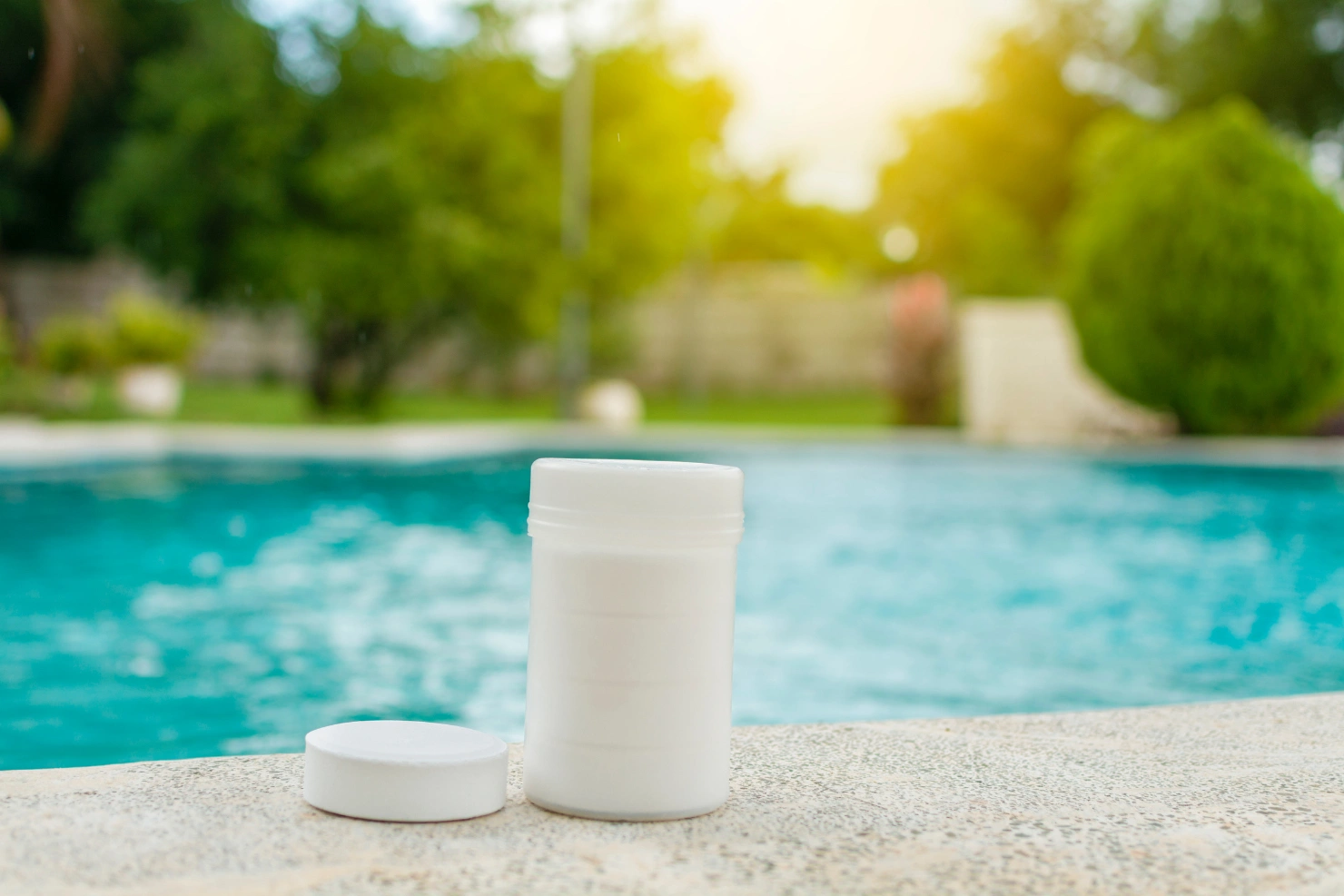
Acid cleaning can improve a pool surface, but it also comes with real risks. Muriatic acid is a strong chemical that can irritate skin, eyes, and lungs if handled incorrectly. It can also damage pool surfaces, equipment, nearby plants, or decking.
A professional service is safer because technicians understand:
- Proper acid dilution
- Safe application timing
- Protective equipment requirements
- Surface compatibility
- Proper rinsing methods
- Water disposal rules
- Equipment protection
- Signs of weak or damaged plaster
DIY acid washing often becomes risky because homeowners may use too much acid or leave it on the surface too long. That can etch the surface and make it rougher, which may cause stains and algae to return faster.
What Pool Owners Should Expect Before And After Service
A good acid cleaning service is more than applying acid to a drained pool. It includes inspection, preparation, cleaning, rinsing, refilling, and water balancing.
Pool owners should expect a clear process from start to finish.
Before Service
Before the pool is drained, the surface and water condition should be reviewed. The technician may look for cracks, loose plaster, severe scaling, metal stains, or other signs that acid cleaning may not be enough.
The water should be drained safely. The pool equipment should remain off during the draining and cleaning process.
During Service
During the service, the pool surface is rinsed, treated in sections, brushed where needed, and rinsed again. The goal is to remove stains and buildup without overexposing the surface.
Professional control is important because acid cleaning removes a small amount of the surface layer. Too much exposure can shorten the life of the finish.
After Service
After the service, the pool is refilled and the water chemistry must be adjusted. Fresh fill water can have high or low pH, alkalinity, calcium hardness, or metal content.
Balanced water protects the cleaned surface and helps prevent new stains from forming quickly.
Pro Tip: Do not wait until stains cover the entire pool before asking for help. Early inspection gives you more options and may prevent deeper discoloration. If brushing, balanced water, and normal cleaning no longer improve the surface, schedule a professional evaluation before assuming the pool needs resurfacing.
How To Keep Pool Surfaces Cleaner After Acid Cleaning
Acid cleaning can restore the appearance of the pool surface, but ongoing maintenance keeps the results from fading too quickly. Poor water balance and missed cleaning can bring stains back.
To protect the surface after acid cleaning:
- Test and balance the water weekly
- Keep pH and alkalinity in proper range
- Brush the pool surface regularly
- Remove leaves and organic debris quickly
- Control algae before it spreads
- Watch calcium hardness in hard water areas
- Keep sanitizer levels consistent
- Clean filters as needed
- Schedule professional maintenance if stains return
Prevention matters because repeated acid washing is not ideal. Each acid wash removes a small amount of surface material, so it should be used only when needed.
When Acid Cleaning May Not Be Enough
Acid cleaning can improve many stained pool surfaces, but it cannot fix every pool problem. Some surfaces are too worn, rough, cracked, or damaged for cleaning alone.
A professional should explain the difference between a dirty surface and a failing surface.
Surface Damage
Acid cleaning cannot repair cracks, hollow plaster, loose material, or structural issues. These problems may require repair or resurfacing.
Cleaning can make the surface look better, but it will not restore strength to damaged areas.
Severe Etching
A surface that already feels rough or etched may not respond well to another acid wash. In some cases, more acid exposure can make roughness worse.
This is why repeated acid washing should be avoided unless a professional confirms it is safe.
Old Finishes
Older pool finishes may have stains because the surface itself is wearing down. If plaster is thin, rough, or heavily discolored, resurfacing may be the smarter investment.
Acid cleaning can refresh appearance, but resurfacing creates a new finish.
Why Choose Residential Pool Service LLC
Residential Pool Service LLC helps homeowners make the right decision before draining or acid cleaning begins. The goal is to restore the pool surface when possible while protecting the finish from avoidable damage.
Our team can inspect the pool, explain the condition of the surface, and recommend the best cleaning or repair option. If acid cleaning is the right choice, we handle the process with careful preparation, safe application, and proper rinsing.
Conclusion
Professional acid cleaning can restore stained, dull, or discolored pool surfaces by removing algae marks, scale, mineral buildup, and surface residue that routine cleaning cannot fix. The key is using the right process, proper dilution, safe draining, and complete rinsing.
Residential Pool Service LLC provides professional pool draining and acid cleaning services for homeowners who want a cleaner, brighter pool surface without taking unnecessary risks. Contact us to schedule service before stains become harder to remove.



