
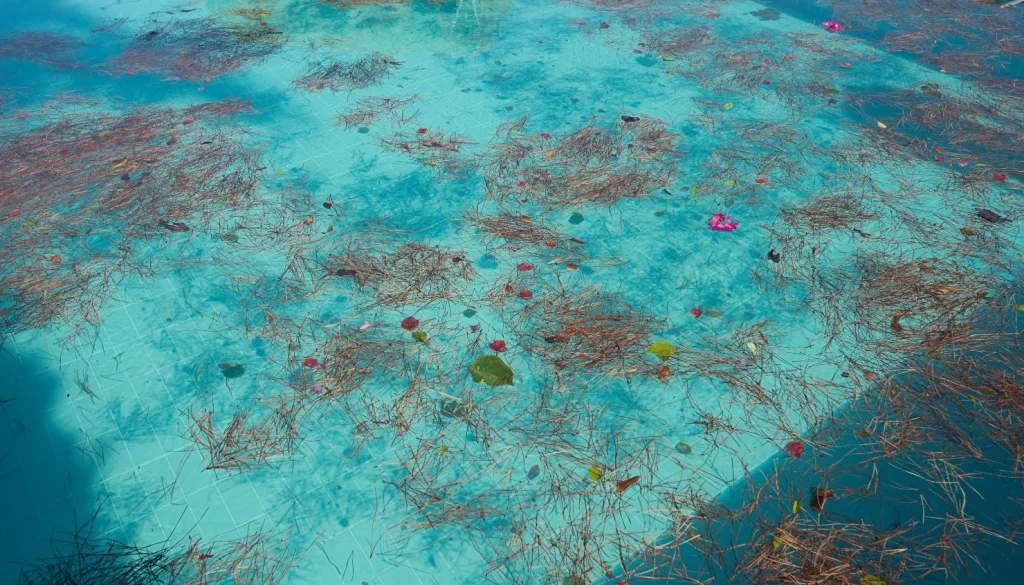
The Smart Way To Handle Floating Debris Before It Sinks
Floating debris may seem like a small pool problem, but leaves, bugs, pollen, grass, and dirt can quickly change how your water looks and feels. These materials are easiest to remove while they are still floating on the surface. Once they sink, they can collect on the pool floor, clog baskets, stain surfaces, and make cleaning more time-consuming.
“So, what is the smartest way to stop surface debris before it turns into a bigger cleaning issue?”
The answer is regular skimming and surface cleaning. This simple part of pool care helps protect your water quality, your filtration system, and the overall swimming experience.
At Residential Pool Service LLC, we help homeowners keep their pools cleaner with professional skimming and surface cleaning in Sterling, VA. A clean surface does more than improve appearance. It helps your pool stay clearer, safer, and easier to maintain between full cleanings.
Key Takeaways
- Remove floating debris before it sinks.
- Skimming protects filters, pumps, circulation.
- Clean surfaces help prevent algae growth.
- Storms and wind require extra skimming.
- Professional service keeps pools consistently cleaner.
Why Floating Debris Should Be Removed Quickly
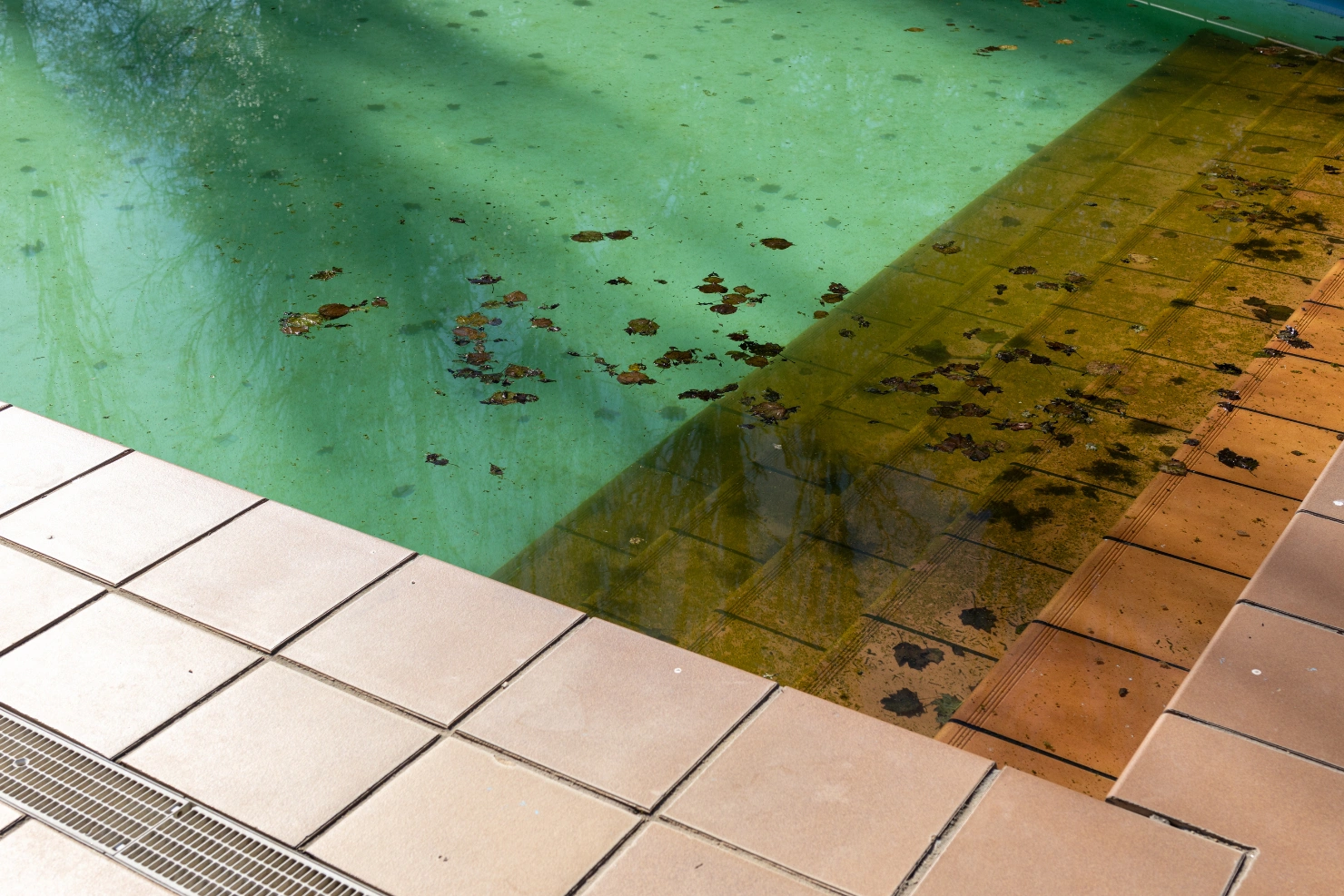
Floating debris does not stay on the surface forever. Wind, swimmers, rain, and water circulation can push leaves, insects, and pollen below the waterline. Once that happens, a quick skimming job can turn into floor vacuuming, waterline brushing, or filter cleaning.
Surface debris also adds organic material to the pool. Organic waste can affect water clarity and increase the demand on your sanitizer. That means your pool may need more attention to maintain proper balance, especially during warm weather or heavy swim season.
Removing debris early is one of the simplest ways to prevent larger maintenance problems. It keeps the water looking fresh and helps reduce buildup before it reaches the floor, walls, drains, or skimmer basket.
What Happens When Debris Sinks
Once debris sinks, it becomes harder to remove and more likely to affect the pool’s condition. This section explains why fast surface cleaning matters.
Organic Waste Builds
Leaves, insects, pollen, and grass clippings break down in pool water over time. As they decompose, they can contribute to cloudy water, stains, and unpleasant buildup along the floor or waterline.
This is especially common after storms, windy days, or heavy tree shedding. A pool that looks clear in the morning can collect visible debris by the afternoon if the surrounding yard has trees, mulch, or flowering plants.
Filtration Works Harder
Your pool’s filtration system is built to move and clean water, but it should not carry the full burden of large debris. Skimmer baskets can fill quickly when leaves and bugs are ignored. Once a basket is packed, water flow may be reduced.
Reduced flow can make the pump and filter work less efficiently. It can also leave more debris circulating in the water instead of being captured and removed.
Algae Risk Increases
Settled debris can create dirty pockets where algae may start to grow. This is more likely when the water is warm, sunlight is strong, or sanitizer levels are not maintained properly.
Debris stuck near steps, corners, ladders, and waterline edges can be easy to miss. These areas need regular attention because algae often starts in places with poor circulation or trapped organic matter.
The Role Of Regular Pool Skimming
Pool skimming is one of the fastest ways to remove debris before it causes more work. It targets leaves, insects, dirt, pollen, and other materials while they are still floating.
A proper skimming routine usually includes more than passing a net across the water once. It should include checking the pool surface, emptying skimmer baskets, cleaning visible debris from corners, and watching for buildup around the waterline.
Professional skimming also helps spot early warning signs. A trained pool technician may notice poor water movement, heavy pollen film, clogged baskets, algae starting near the edges, or debris collecting in the same problem areas.
Best Times To Skim Your Pool
Some pools need skimming more often than others. Pools near trees, landscaping, open yards, or high-wind areas usually collect more debris.
The best times to skim your pool include:
- After windy weather
- After heavy rain
- During pollen season
- Before swimmers enter the pool
- After heavy pool use
- When bugs or leaves are visible
- Before vacuuming the pool floor
- Before checking water clarity
- After lawn mowing nearby
- When skimmer baskets look full
Skimming at the right time helps stop debris before it sinks. It also makes the rest of your pool maintenance easier and more effective.
Surface Cleaning Vs. Deep Cleaning
Surface cleaning and deep cleaning both matter, but they solve different problems. Surface cleaning handles debris before it settles. Deep cleaning removes buildup that already reached the pool floor, walls, steps, tile, or equipment.
| Pool Cleaning Task | What It Removes | When It Is Needed | Why It Matters |
|---|---|---|---|
| Surface Skimming | Leaves, bugs, pollen, floating dirt | Several times per week or as needed | Stops debris before it sinks |
| Skimmer Basket Cleaning | Collected leaves and debris | When baskets begin filling | Helps maintain better water flow |
| Waterline Brushing | Film, oils, dirt, early algae | Weekly or when buildup appears | Helps prevent stains and scum lines |
| Pool Vacuuming | Sunk debris and floor dirt | When debris settles on the bottom | Restores a cleaner pool floor |
| Filter Cleaning | Fine particles and trapped contaminants | Based on pressure and filter type | Supports circulation and water clarity |
Surface cleaning should not replace deep cleaning. It helps reduce how often deep cleaning becomes urgent.
How Skimming Protects Pool Equipment
Your pool equipment works best when water can move freely. When debris clogs the skimmer basket, pump basket, or filter, circulation can slow down. Poor circulation can make it harder for chemicals to distribute evenly through the pool.
A clean skimmer basket helps water reach the pump more efficiently. This supports filtration and helps prevent large debris from traveling deeper into the system.
Regular skimming can also help extend the life of pool equipment. When fewer leaves, twigs, and insects enter the system, the pump and filter do not have to work as hard to manage avoidable debris.
Common Pool Skimming Mistakes To Avoid
Skimming sounds simple, but small mistakes can make the job less effective. Homeowners often skim too quickly or only clean the middle of the pool where debris is most visible.
Avoid these common mistakes:
- Waiting until debris sinks
- Forgetting to empty skimmer baskets
- Ignoring the pool corners
- Skimming only before guests arrive
- Missing the waterline
- Using a torn skimmer net
- Letting leaves collect overnight
- Forgetting to skim after storms
- Ignoring debris near steps
- Relying only on the filter
The biggest mistake is treating skimming as cosmetic only. It is part of water care, equipment protection, and routine pool maintenance.
Why Professional Surface Cleaning Makes A Difference
Professional surface cleaning gives your pool a more complete level of care. A technician does not just remove visible debris. They also check areas where buildup commonly hides.
At Residential Pool Service LLC, skimming and surface cleaning may include removing floating debris, checking skimmer baskets, brushing the waterline, inspecting problem areas, and making sure surface debris is not collecting near returns, corners, or steps.
This matters because pools can look mostly clean while still having hidden maintenance issues. Pollen film, fine dirt, and early algae growth are easy to miss without a consistent cleaning process.
Professional service also saves time. Instead of reacting after debris sinks or water turns cloudy, routine surface cleaning helps keep the pool under control throughout the week.
Pro Tip: Skim slowly in overlapping passes instead of rushing across the surface. Start near the pool edges, corners, and steps because debris often collects there first. After wind, rain, or heavy tree shedding, empty the skimmer basket before and after skimming so water flow stays strong.
How Often Should Pool Skimming Be Done?
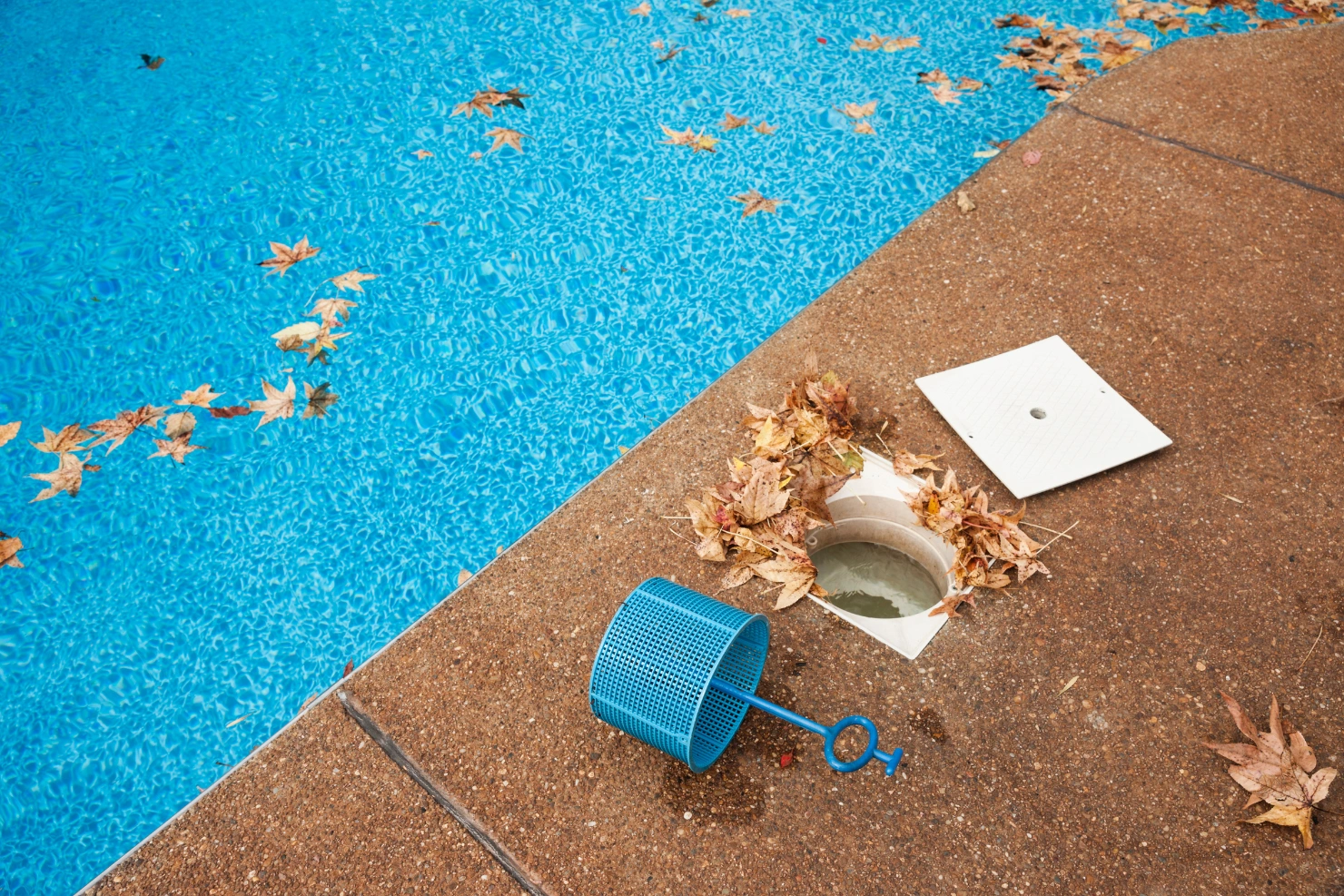
There is no single schedule that fits every pool. Some pools need skimming every day during peak debris season. Others may only need it a few times per week when the weather is calm and the pool area is open.
Pools near trees usually need more frequent skimming. The same is true during spring pollen season, after storms, and during fall leaf drop. Heavy pool use can also increase the need for surface cleaning because swimmers bring in grass, dirt, sunscreen, and small particles.
For many homeowners, professional weekly service helps keep the pool easier to manage. If the pool collects debris quickly, extra skimming between visits may be needed to prevent buildup.
How Skimming Supports Cleaner Water
Clean water depends on more than chemicals. A pool also needs good circulation, regular debris removal, proper filtration, and consistent brushing.
The CDC recommends maintaining proper pool water chemistry, including pH between 7.0 and 7.8 and appropriate sanitizer levels. Skimming supports this process by removing organic debris before it breaks down and adds more demand to the water.
This does not mean skimming replaces water testing or chemical balancing. It works with them. A pool that is skimmed regularly is often easier to balance because there is less visible debris and organic material sitting in the water.
Signs Your Pool Needs Surface Cleaning
Your pool may need skimming and surface cleaning sooner than scheduled if debris is already visible. It is better to remove it early than wait until the next full cleaning.
Watch for these signs:
- Leaves floating across the surface
- Bugs collecting near the edges
- Pollen film on the water
- Dirt gathering near steps
- Waterline grime
- Skimmer basket overflow
- Debris after storms
- Cloudy-looking surface water
- Poor water movement near the skimmer
- Algae starting near corners
These signs should not be ignored. They often show that debris is beginning to affect more than appearance.
Conclusion
The smart way to handle floating debris is to remove it before it sinks. Leaves, bugs, pollen, and dirt are much easier to manage while they are still on the surface. Once they settle, they can create more work, affect water clarity, and place more strain on your pool system.
Regular skimming and surface cleaning help keep your pool cleaner, clearer, and more enjoyable. They also support better circulation, protect equipment, and reduce the chance of algae and buildup.
Residential Pool Service LLC provides professional skimming and surface cleaning in Sterling, VA, for homeowners who want a cleaner pool without the guesswork. Contact us today to schedule pool service and keep floating debris from becoming a bigger maintenance problem.



