
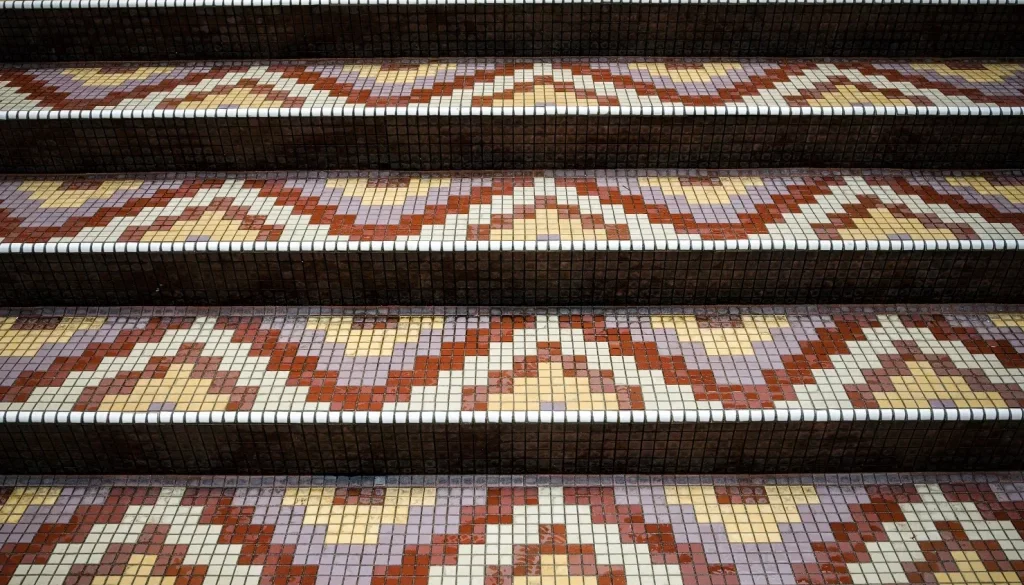
Pool Step Mosaics Can Improve Visibility While Updating Your Design
Pool steps can be easy to overlook during a renovation, but the right mosaic design can make them more noticeable while adding character to the entire pool.
“Could a simple tile upgrade make your steps easier to see and give your pool a fresher look at the same time?”
Contrasting mosaic colors and patterns can help define step edges beneath the water while creating a more polished, customized appearance that complements the surrounding pool finish.
Key Takeaways
- Pool mosaics improve underwater step visibility.
- Contrasting colors define pool step edges.
- Pool-rated materials improve long-term mosaic durability.
- Proper installation prevents loose mosaic tiles.
- Regular maintenance preserves mosaic appearance longer.
Why Pool Step Visibility Matters
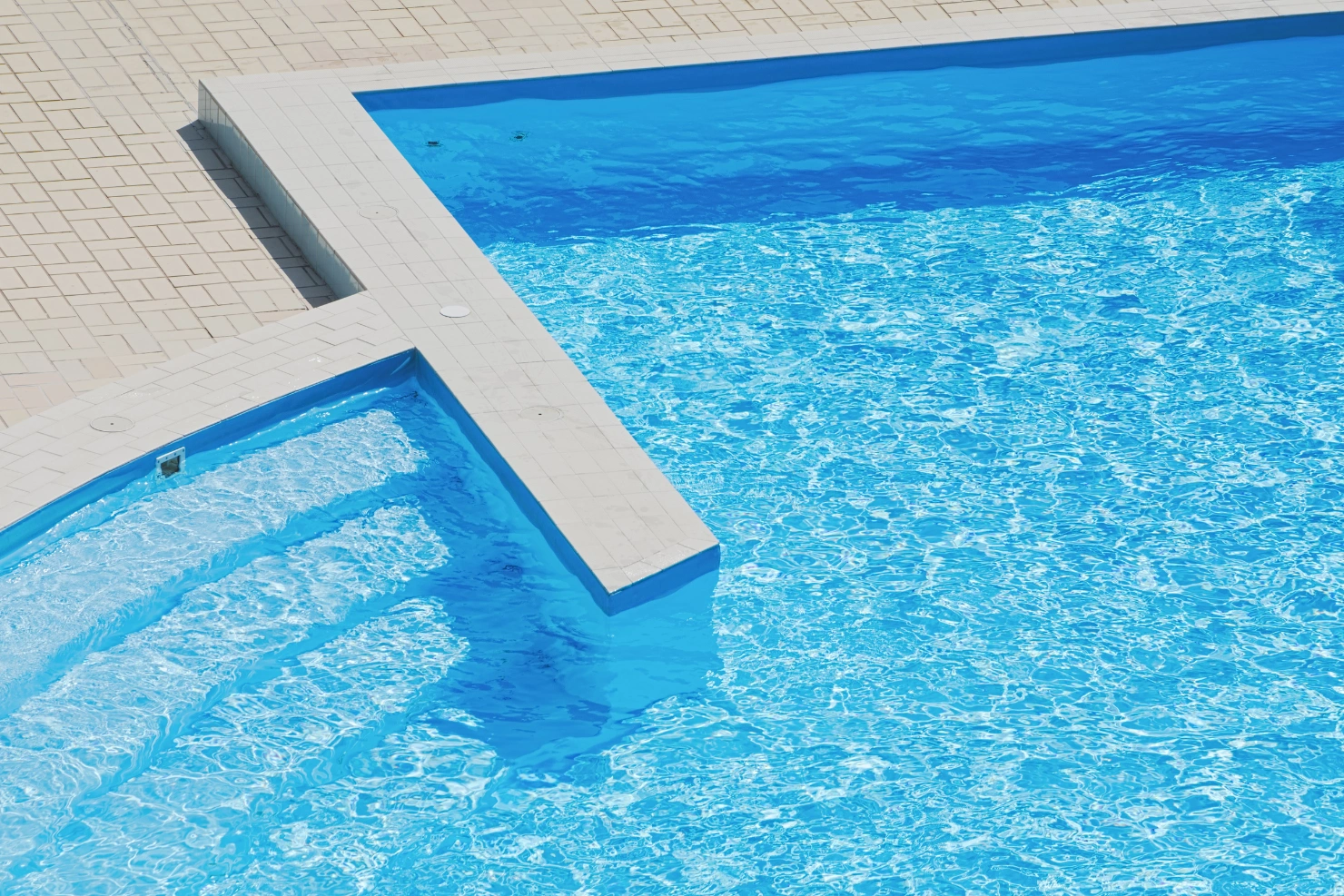
Pool steps can become difficult to distinguish when their color closely matches the surrounding interior finish. Reflections, moving water, changing sunlight, and differences in water depth can also affect how clearly swimmers see each step.
Adding visual contrast does not replace proper pool safety practices, but it can make step locations and edges easier to recognize. Mosaic tile offers a practical way to create that contrast while also improving the appearance of an older or plain pool entry.
Clearly defined pool steps can be especially useful around:
- Entry stairs
- Built-in benches
- Swim-outs
- Tanning ledges
- Shallow lounging areas
- Beach-style entries
How Pool Step Mosaics Improve Visibility
A mosaic can create a noticeable visual boundary between the step and the surrounding pool finish. The goal is usually contrast rather than simply choosing the brightest or darkest tile available.
For example, a medium or dark blue mosaic border may stand out against a light plaster finish. Conversely, lighter glass or porcelain accents may provide stronger contrast in pools with darker interiors.
The design should remain easy to recognize once submerged. Water changes how colors, reflections, and patterns appear, so homeowners should consider the completed underwater appearance instead of judging samples only when dry.
Best Mosaic Colors For Pool Steps
Color selection affects both appearance and visibility. A pool mosaic should coordinate with the overall pool design while remaining distinct enough from the surrounding surface to define the step.
Blue remains popular because it works naturally with many pool interiors. White, gray, aqua, turquoise, and mixed-tone mosaics can also create attractive contrasts depending on the plaster or aggregate finish.
Extremely busy patterns are not always the best choice for step edges. A simpler border or clearly defined pattern can make the shape of the step easier to recognize while still adding visual interest.
Popular Pool Step Mosaic Ideas
Pool step mosaics can range from narrow accent strips to larger decorative installations. The best approach depends on the existing pool style, surrounding tile, and how much visual emphasis the homeowner wants.
Border Accents
A narrow mosaic band installed along the front portion of a step creates a clean line that helps distinguish one level from another.
Border accents are especially useful when homeowners want better definition without covering the entire step surface with decorative tile.
Geometric Patterns
Geometric mosaics work well in modern pools because they create structure without requiring complicated imagery. Squares, diamonds, repeating lines, and other simple forms can complement contemporary decks and coping.
The pattern should remain readable beneath moving water rather than becoming visually cluttered.
Marine Designs
Fish, turtles, waves, shells, and other aquatic themes remain popular choices for homeowners who want a more decorative pool interior.
These mosaics can be placed on steps, benches, floors, or shallow areas. For visibility purposes, however, decorative artwork works best when it does not obscure the actual edge of the step.
Custom Motifs
Custom mosaics allow homeowners to incorporate initials, symbols, abstract artwork, or other personalized designs.
They can create a distinctive focal point, although their placement should be planned carefully so that decorative elements work with the step layout rather than competing with it.
Choosing The Right Mosaic Material
Pool mosaics remain submerged for long periods and are regularly exposed to treated water, cleaning, sunlight, and changing outdoor temperatures. Material selection therefore matters beyond appearance.
Tiles intended for submerged swimming pool applications should be used according to the manufacturer’s installation requirements.
| Mosaic Material | Typical Appearance | Water Performance | Maintenance | Common Pool Use |
|---|---|---|---|---|
| Glass | Reflective, bright, colorful | Excellent when pool-rated and properly installed | Moderate | Step accents, waterlines, decorative mosaics |
| Porcelain | Matte or glossy with many finishes | Very low water absorption | Low to moderate | Steps, waterlines, full tiled areas |
| Ceramic | Wide range of traditional designs | Depends heavily on tile rating | Moderate | Decorative applications when approved for submerged use |
Glass mosaics are particularly popular because they reflect light and can create vibrant underwater effects. Porcelain is another strong option because properly manufactured porcelain tile has very low water absorption and is available in many textures and colors.
Ceramic tile varies considerably, so homeowners should confirm that a specific product is suitable for permanent submerged use rather than assuming every ceramic tile can be installed inside a pool.
Matching Mosaics With Your Existing Pool
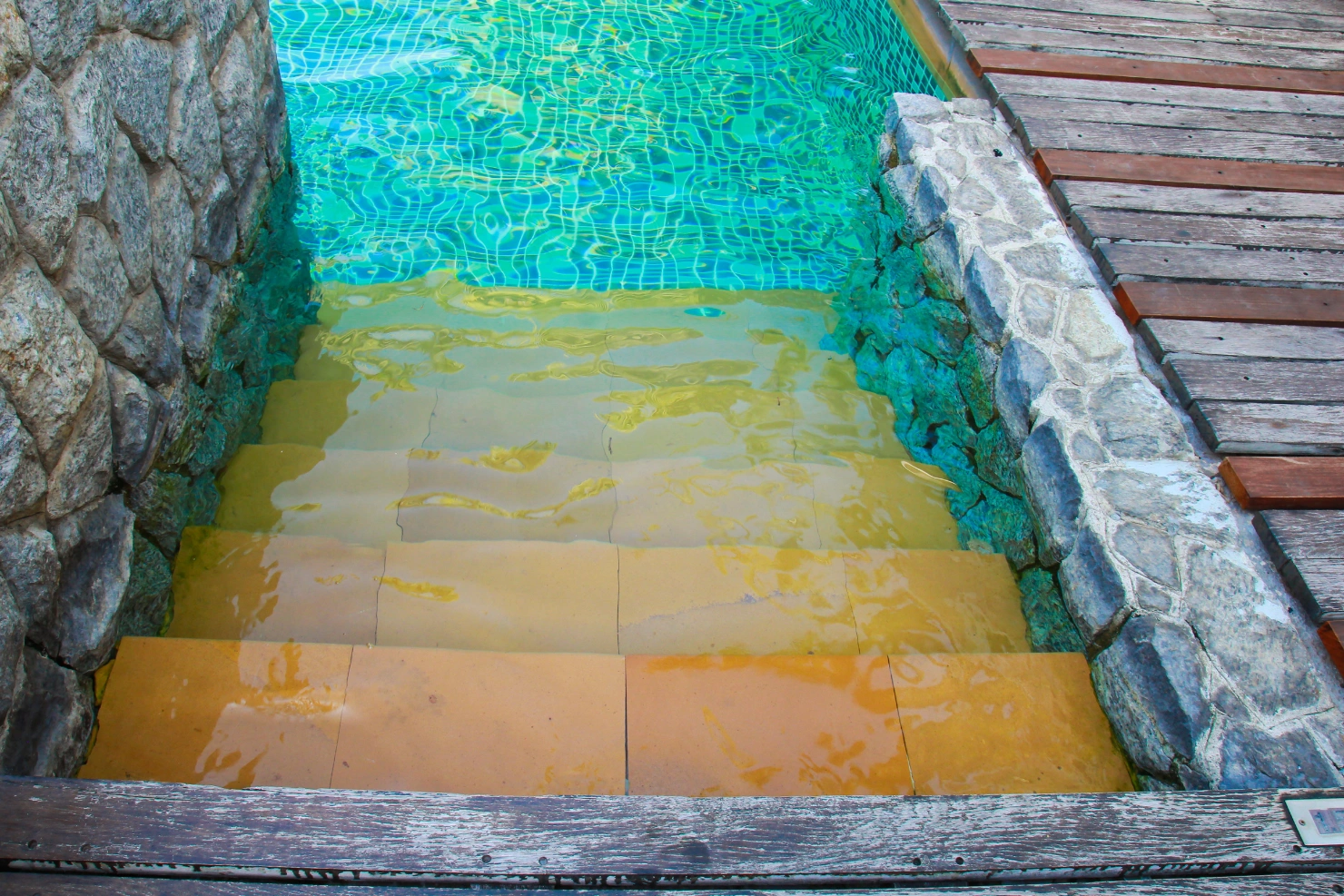
A successful mosaic upgrade should feel connected to the rest of the pool rather than appearing added as an afterthought.
Start by looking at the waterline tile, interior finish, coping, deck material, and surrounding landscaping. A mosaic can repeat one or two existing colors while introducing enough contrast to clearly distinguish the steps.
Useful design considerations include:
- Coordinate with existing waterline tile.
- Compare samples with the pool finish.
- Consider how colors look underwater.
- Avoid patterns that blend into plaster.
- Limit competing colors around small steps.
- Use similar accents on benches or ledges.
Homeowners renovating an older pool can also use mosaics to introduce a newer style without completely changing every decorative surface.
Where Mosaics Can Be Added
Pool entry areas offer several opportunities for mosaic accents. The best location depends on whether the priority is visibility, decoration, or a combination of both.
Mosaics can be installed along individual step edges, across entire stair surfaces, or as smaller decorative markers. They can also define shallow areas where the floor elevation changes.
Other common locations include tanning ledges, built-in seating, swim-outs, spa spillways, and transition areas between different pool depths.
Installing Mosaics During Renovation
A pool resurfacing or tile renovation project can be a convenient opportunity to update step mosaics because the pool is already drained and surface work is underway.
Installation starts with a properly prepared substrate. The surface must be structurally sound and suitable for the bonding materials being used. Tile is then positioned according to the planned layout before grout and other required finishing materials are applied.
Installation requirements can vary according to tile type, backing material, adhesive system, grout, pool structure, and manufacturer specifications.
Allowing the appropriate curing time is important before the pool is refilled. Filling too soon can interfere with some cement-based installation materials before they have developed adequate strength.
Pro Tip: Review mosaic samples next to your actual pool finish whenever possible. A tile that looks dramatically different when dry may appear more similar once submerged, so aim for clear contrast instead of choosing color based only on showroom appearance.
Maintaining Pool Step Mosaics
Routine care helps mosaics retain their appearance and can help homeowners notice developing problems before multiple tiles are affected.
Balanced water chemistry is particularly important because improperly managed pool water can contribute to scaling, staining, grout deterioration, or other surface problems.
Homeowners should also:
- Brush mosaics with suitable non-abrasive tools.
- Remove developing mineral deposits carefully.
- Inspect grout periodically for deterioration.
- Repair loose tiles before surrounding areas loosen.
- Avoid cleaners not approved for pool surfaces.
- Keep water chemistry within appropriate ranges.
Calcium deposits can sometimes form as white or gray buildup around tile surfaces. Treatment depends on the severity of the deposit and the tile material, so aggressive scraping or harsh chemicals should be avoided unless the method is appropriate for that specific surface.
Signs Your Existing Step Tile Needs Attention
Pool mosaic problems frequently begin in small areas. One missing tile may seem cosmetic, but nearby loose pieces or deteriorated grout can indicate that the surrounding installation should also be inspected.
Watch for:
- Loose or hollow-sounding tiles
- Missing mosaic pieces
- Cracked or deteriorating grout
- Sharp exposed tile edges
- Persistent mineral buildup
- Cracked individual tiles
- Sections that have shifted
- Discoloration that cleaning cannot remove
Loose pieces should be addressed promptly, particularly on steps where swimmers regularly place their feet.
Updating Steps Without Redesigning Everything
Homeowners do not always need a complete pool redesign to create a noticeable visual change. Concentrating decorative tile around steps and other entry areas can refresh the pool while leaving the basic structure intact.
This approach can be especially useful when the existing pool finish remains serviceable but the decorative details look dated. A new mosaic border can introduce modern colors or patterns without altering the shape of the pool.
Similar accents can also be repeated around benches, shallow ledges, or waterline areas to make the update feel intentional.
Choosing Style Without Losing Function
Pool mosaics should do more than look attractive. Placement, material selection, contrast, installation quality, and maintenance all contribute to how well the finished design performs.
A beautiful pattern that disappears against the surrounding pool surface may provide little visual definition. Likewise, a highly contrasting tile may appear awkward if it clashes with the rest of the backyard.
The strongest designs balance both goals. They clearly identify the step area while using colors and patterns that complement the pool’s finish, coping, decking, and overall landscape.
Give Your Pool Steps A More Distinctive Finish
Pool step mosaics can provide a practical decorative upgrade for homeowners who want clearer visual definition and a more customized pool interior. Contrasting colors, durable pool-rated materials, and thoughtful placement can help the steps stand apart while improving the overall design.
Residential Pool Service LLC can help homeowners select, install, and repair swimming pool mosaics that complement existing finishes and outdoor spaces. A carefully planned mosaic upgrade can give an aging pool a fresher appearance without requiring a complete redesign.



