
The Rise Of App-Controlled Pools And What Homeowners Should Know
Pool ownership has become much easier as smart technology moves from inside the home to the backyard. App-controlled pools now allow homeowners to manage pumps, heaters, lights, cleaners, and other pool features from a phone or tablet.
“But what should homeowners know before trusting an app to control their pool system?”
The answer starts with understanding how pool automation works, what it can manage, and why proper installation matters. For homeowners who want better comfort, easier maintenance, and more control over daily pool operation, app-controlled pool systems are quickly becoming one of the most practical upgrades available.
Key Takeaways
- App control simplifies daily pool management.
- Automation connects pumps, heaters, and lights.
- Compatibility matters before installing automation systems.
- Professional setup improves performance and reliability.
- Smart scheduling supports better energy use.
What Is An App-Controlled Pool?
An app-controlled pool uses a pool automation system to connect important pool equipment to one central control setup. Instead of walking outside to adjust timers, lights, valves, or heater settings, homeowners can manage many features from a smartphone, tablet, or digital control panel.
The app is the part most homeowners see, but the full system includes more than software. It usually includes a control panel, wiring, compatible pool equipment, sensors, relays, and a reliable network connection. When installed correctly, these parts work together so the pool can respond to scheduled settings or real-time changes.
For example, a homeowner can adjust the pool temperature before guests arrive, turn on pool lights before sunset, or run the cleaner after heavy use. This makes pool ownership feel less manual and more predictable.
How Pool Automation Systems Work
Pool automation works by connecting pool equipment to a central control panel. That panel acts as the communication point between the equipment and the app, allowing different pool functions to be controlled from one place.
Most automation systems are built around simple commands. The system can turn equipment on or off, follow schedules, activate preset modes, or adjust settings based on user input. More advanced systems may also support variable-speed pump programming, spa mode, heater control, lighting scenes, and water feature operation.
Connected Equipment
A pool automation system can connect several equipment types, depending on the pool layout and existing setup. Common connected equipment includes pumps, heaters, pool lights, spa jets, automatic valves, cleaners, and water features.
Not every piece of equipment works with every automation system. Some older pumps, lights, or heaters may need upgrades before they can be fully controlled through an app. This is why compatibility checks matter before installation.
Control Panel Setup
The control panel is the main hub of the automation system. It receives commands from the app or wall control and sends signals to the connected equipment.
A properly installed panel helps keep pool operation organized. Instead of several separate timers and switches, the pool can run from one control point. This reduces confusion and helps homeowners avoid unnecessary equipment runtime.
Remote Access
Remote access depends on a stable internet or network connection. Once the system is connected, homeowners can control pool settings even when they are away from home.
This can be useful for busy families, frequent travelers, or homeowners who want the pool ready before they return. It also helps when sudden weather changes or schedule changes affect pool use.
What Homeowners Can Control From A Pool App
A pool app gives homeowners easier access to common pool functions. The exact controls depend on the automation system, the equipment installed, and how the system is configured.
Many homeowners use pool apps to manage:
- Pool pump schedules
- Filtration cycles
- Pool and spa temperature
- Heater settings
- Pool lighting
- Spa mode
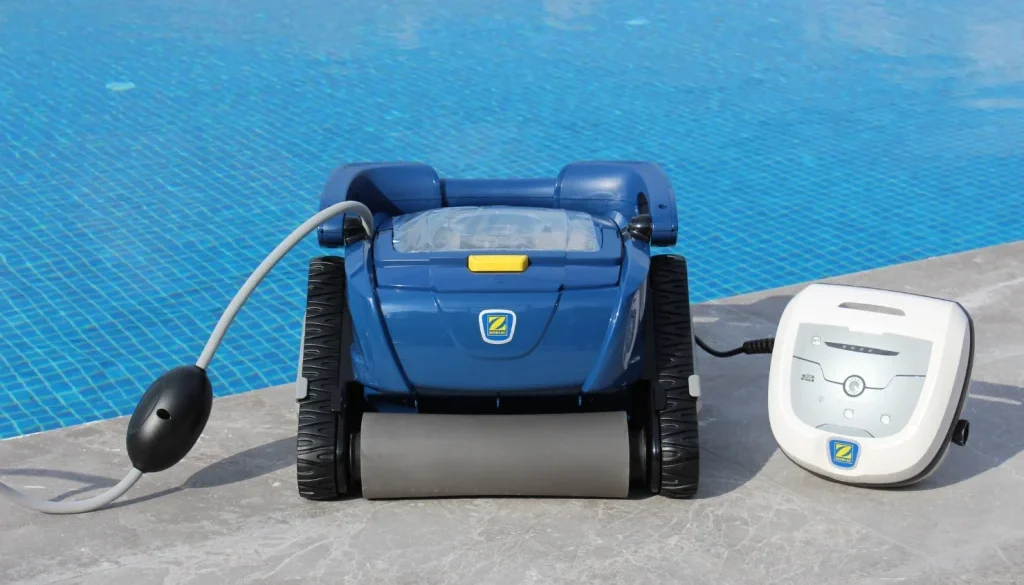
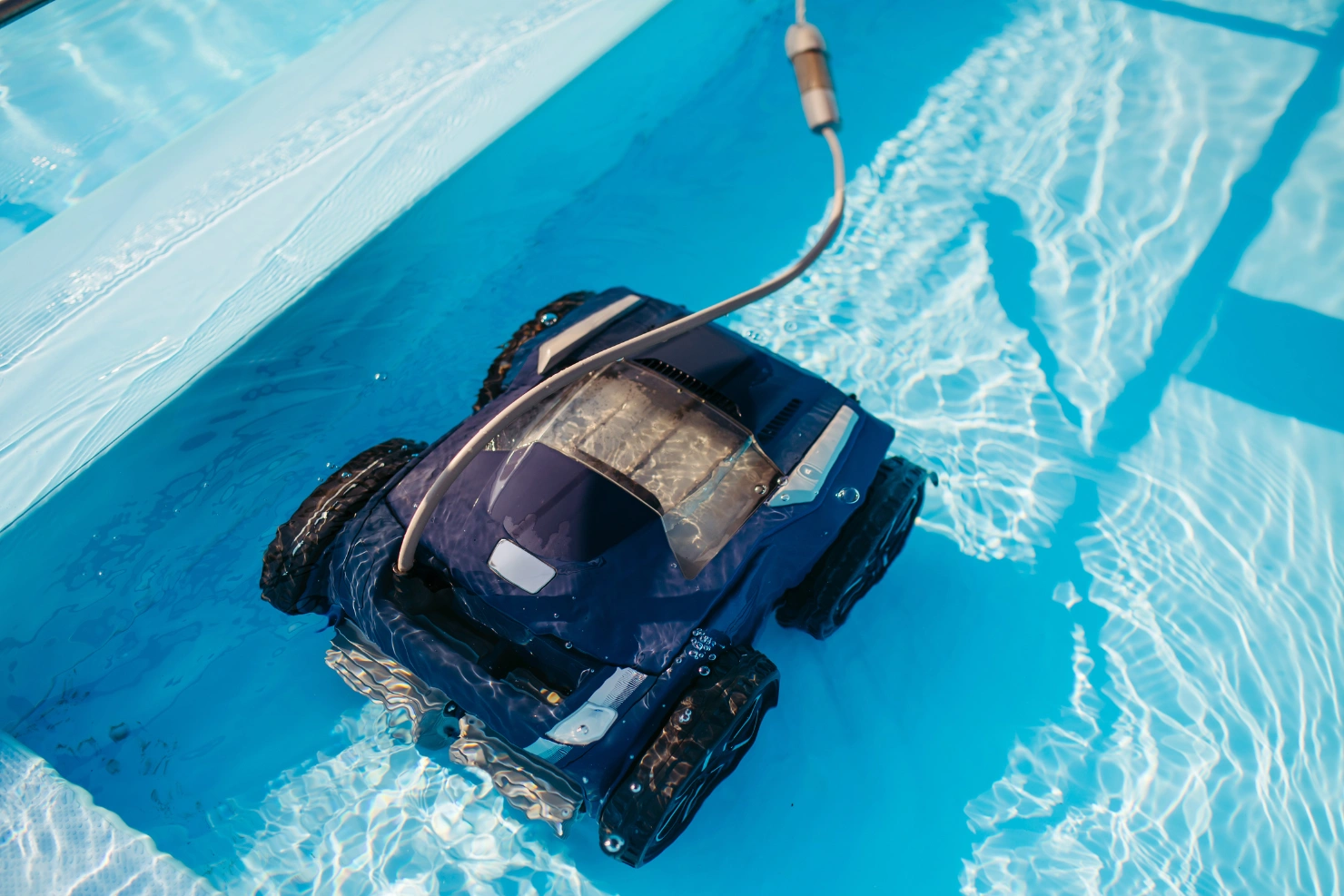
- Cleaner operation
- Water features
- Jets and blowers
- Equipment timers
- Freeze protection settings, where available
The biggest advantage is convenience. Instead of remembering which switch controls which feature, homeowners can use labeled app controls. A pool that once required manual adjustments can become much easier to manage day to day.
Still, app control should not replace proper pool maintenance. Water testing, brushing, skimming, equipment inspections, and chemical balancing remain important. Automation helps manage equipment operation, but it does not remove every responsibility from pool care.
Why App-Controlled Pools Are Becoming Popular
App-controlled pools are gaining attention because homeowners want pool systems that fit modern lifestyles. Many people already control thermostats, garage doors, lights, cameras, and irrigation systems from their phones. Pool control is a natural next step.
A pool has several moving parts. Pumps circulate water, heaters control comfort, lights improve evening use, and cleaners help remove debris. Managing these systems manually can become inconvenient, especially for homeowners with busy schedules.
App control solves many common frustrations. It helps homeowners make quick adjustments, create consistent schedules, and avoid leaving equipment running longer than necessary. It also makes pool use more comfortable because settings can be adjusted before anyone steps outside.
This is especially helpful for pools with spas. With the right automation setup, homeowners can activate spa mode, heat the water, and turn on jets from an app. That convenience is one reason automation has become a popular upgrade for residential pools.
Benefits Of Pool Automation For Daily Pool Care
A pool automation system can improve daily pool care when it is installed correctly and matched with the right equipment. It helps homeowners use their pool more efficiently without relying on constant manual operation.
The benefits are practical, not just high-tech. Automation can improve scheduling, comfort, consistency, and equipment control.
Easier Scheduling
Pool pumps and filtration systems need consistent runtime to help circulate water. Automation makes scheduling easier by allowing homeowners to program when equipment turns on and off.
This can be especially useful during different seasons. A pool may need different pump schedules during hot weather, heavy use, or cooler months. With app control, adjustments are easier to make.
Better Energy Use
Pool equipment can waste energy when it runs longer than needed. Automation helps reduce unnecessary runtime by keeping equipment on a planned schedule.
Variable-speed pumps can offer even more efficiency when programmed properly. They can run at lower speeds for longer circulation periods and higher speeds when needed for cleaning, heating, or water features. The right settings depend on the pool size, plumbing, equipment, and usage patterns.
More Comfortable Swimming
Comfort matters when homeowners want to use the pool often. App-controlled heating and lighting can help prepare the pool before swimmers arrive.
A homeowner can adjust the temperature earlier in the day or turn on lights before an evening swim. This makes pool use feel smoother and more enjoyable.
Less Manual Operation
Older pool systems often require homeowners to walk to the equipment pad to adjust timers, valves, or switches. Automation reduces that manual work.
This is helpful for larger properties, cold weather, evening use, and homeowners who prefer simple controls. A well-set system can make daily pool operation easier for the entire household.
App-Controlled Pool Features Worth Considering
Not every pool needs every automation feature. The right setup depends on how the pool is used, what equipment is already installed, and which upgrades will provide the most value.
The table below shows common automation features and why they matter.
| Feature | What It Controls | Why It Helps |
|---|---|---|
| Pump Scheduling | Filtration cycles and pump runtime | Helps maintain consistent water circulation |
| Heater Control | Pool and spa temperature | Improves comfort before swimming or spa use |
| Lighting Control | Pool, spa, and backyard lighting | Makes evening use easier and more convenient |
| Cleaner Control | Compatible pool cleaners | Supports regular debris removal after use |
| Spa Mode | Valves, heat, jets, and pumps | Makes spa operation easier from one command |
| Water Features | Fountains, waterfalls, or bubblers | Allows quick control during gatherings |
| Equipment Timers | On and off schedules | Reduces unnecessary manual switching |
This kind of information is table-worthy because homeowners can quickly compare features before deciding which ones they need. A homeowner with a simple pool may only need pump and heater control. A pool with a spa, lights, and water features may benefit from a more complete automation setup.
What To Know Before Installing A Pool Automation System

Pool automation should be planned before installation begins. A system that works well for one pool may not be the best fit for another.
The pool’s current equipment, electrical setup, plumbing layout, internet signal, and homeowner preferences all matter. A proper inspection helps prevent compatibility problems and future frustration.
Equipment Compatibility
Compatibility is one of the most important factors. Some newer pumps, heaters, lights, and salt systems are built to work with automation. Older equipment may have limited control options.
Before choosing a system, homeowners should know what can be connected now and what may need to be upgraded. This prevents the mistake of buying automation that cannot control key equipment.
Internet Connection
App control depends on reliable connectivity. If the pool equipment area has weak Wi-Fi, remote access may be inconsistent.
In some cases, a stronger router, extender, or better network setup may be needed. Without a stable connection, the app may not communicate properly with the control system.
Professional Installation
Pool automation involves electrical connections, equipment programming, and system setup. It should be handled by trained professionals who understand pool equipment and safe installation practices.
Professional setup also helps homeowners avoid confusing app settings. The system should be labeled clearly, programmed correctly, and tested before regular use.
Common Mistakes Homeowners Should Avoid
Pool automation can be a smart upgrade, but homeowners should avoid rushing the decision. A poorly planned system can create frustration instead of convenience.
Common mistakes include:
- Choosing a system before checking equipment compatibility
- Assuming every pool feature can be automated
- Ignoring Wi-Fi strength near the equipment pad
- Keeping outdated equipment that limits app control
- Skipping professional installation
- Forgetting to learn how the app settings work
- Running equipment schedules without reviewing seasonal needs
- Using automation as a replacement for water testing
These mistakes are avoidable with the right planning. A pool professional can inspect the current setup, explain which features are realistic, and recommend a system that fits the pool’s actual needs.
Is Pool Automation Worth It?
Pool automation is worth considering for homeowners who want easier control, better scheduling, and more convenient pool use. It is especially helpful for pools with heaters, spas, lights, water features, or variable-speed pumps.
The value depends on the pool. A basic pool with simple equipment may only need limited automation. A larger pool with multiple features may benefit from a more advanced system.
Homeowners should also think about how often they use the pool. Families who swim often, entertain guests, or use a spa regularly may notice the benefits more than homeowners who use the pool only occasionally.
Pro Tip: Before installing a pool automation system, make a list of the pool features you actually use each week. Include pumps, heaters, lights, cleaners, spa jets, and water features.
How Residential Pool Service LLC Helps With Pool Automation
Residential Pool Service LLC helps homeowners choose and install pool automation systems that fit their pool setup. The goal is to make daily pool operation easier while keeping the system practical, compatible, and reliable.
Our team can review the existing pool equipment, check compatibility, and explain which features can be automated. We also help with installation, setup, and control configuration so homeowners understand how to use the system.
For homeowners in Sterling, VA, and surrounding areas, professional support matters. Pool automation connects important equipment, so proper installation helps protect performance, comfort, and long-term usability.
With the right system, homeowners can manage heating, lighting, filtration, cleaning, and spa settings with less guesswork. Residential Pool Service LLC helps make that transition smoother from the first inspection to the final setup.
Conclusion
App-controlled pools are changing the way homeowners manage pool equipment. Instead of relying on separate switches, timers, and manual adjustments, pool automation brings many features into one easy control system.
The best results come from choosing compatible equipment, installing the system correctly, and learning how to use the app settings. Pool automation does not replace regular pool care, but it can make daily operation more convenient and efficient.
For homeowners who want better control over pumps, heaters, lights, cleaners, and spa features, a pool automation system is one of the most useful modern pool upgrades. Residential Pool Service LLC can help homeowners install a system that makes pool ownership easier, smarter, and more enjoyable.



