
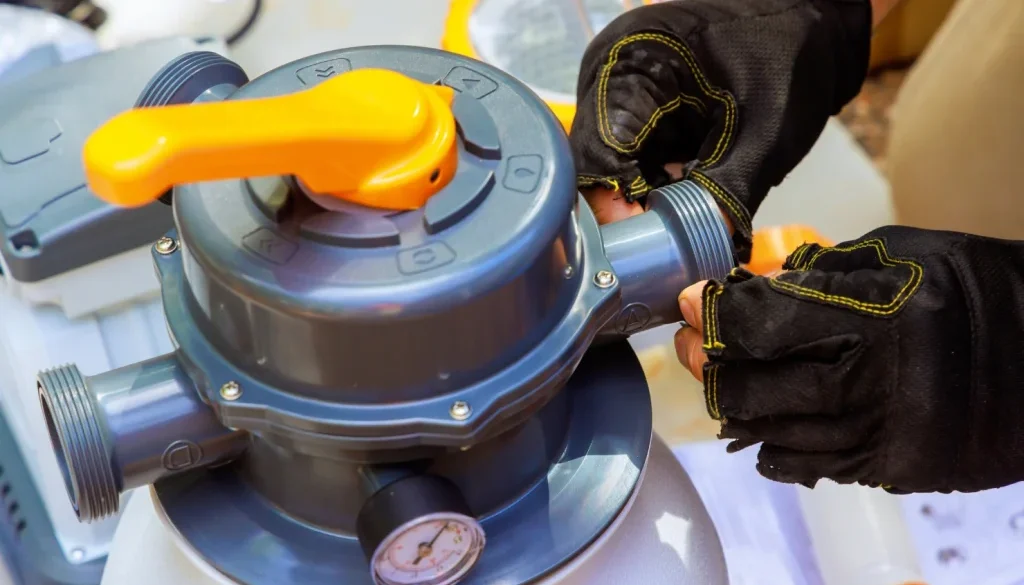
Your Pool Pump Running Without Circulation Needs Immediate Attention
A pool pump may sound like it is working normally even when water is barely moving through the system. That lack of circulation can quickly affect filtration, water clarity, chemical distribution, and the condition of your pool equipment.
“What should you do when the pump is running but the water is not circulating properly?”
The cause could be a clogged basket, low water level, an air leak, blocked plumbing, a dirty filter, or a failing pump component. Acting quickly can help prevent additional equipment problems and restore normal pool operation.
Key Takeaways
- Weak circulation can damage pool equipment.
- Low water can disrupt pump priming.
- Clogged baskets reduce proper water flow.
- Air leaks often cause circulation problems.
- Fast repairs prevent larger pool emergencies.
What It Means When Your Pool Pump Runs Without Circulation
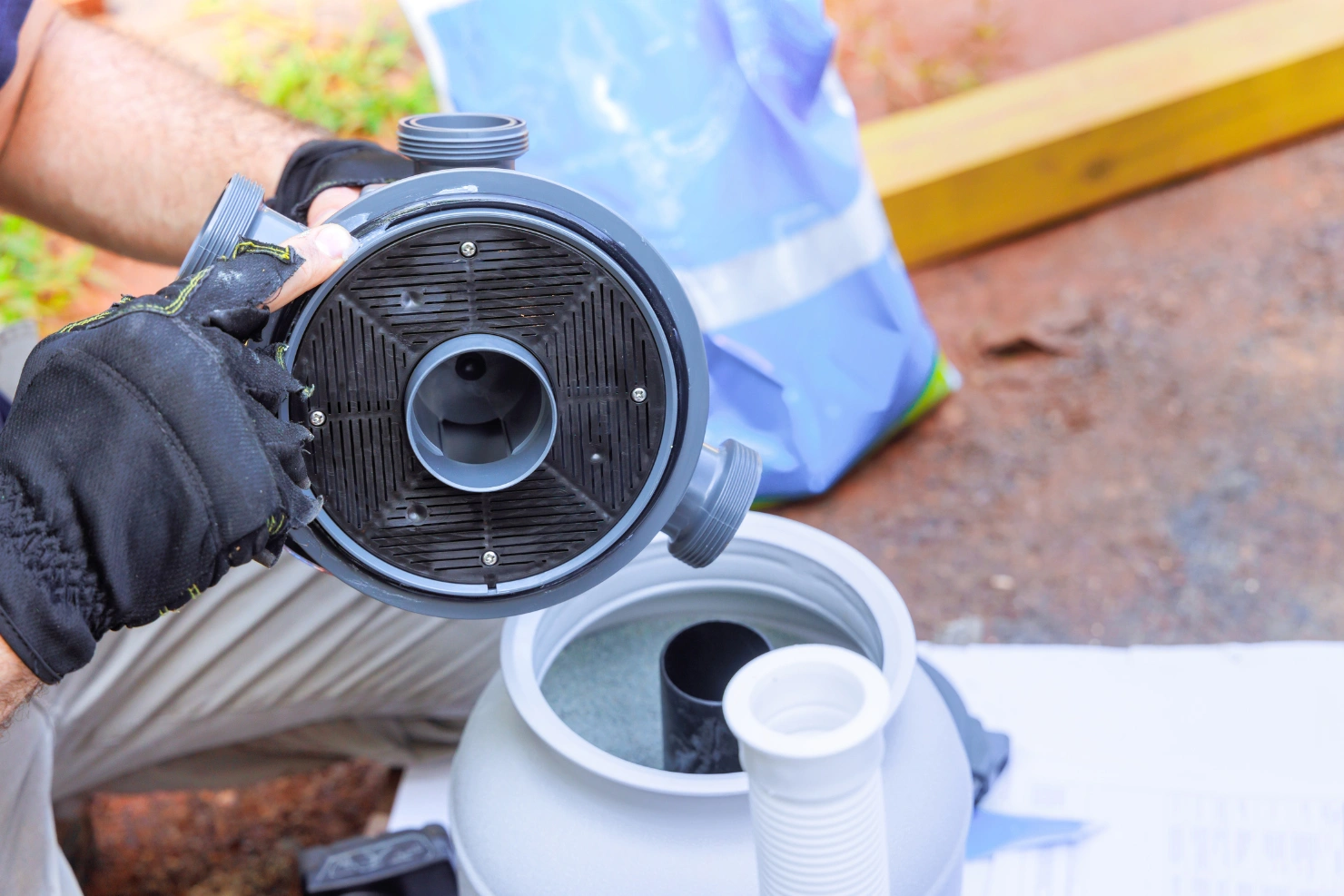
A pump motor can be operating even when the pump is not moving enough water through the filtration system. The motor and water flow are separate parts of the process, so hearing the pump run does not confirm that circulation is normal.
Poor circulation can appear as weak return-jet flow, an air-filled pump basket, low or unusual filter pressure, or water that becomes cloudy. Pentair troubleshooting guidance lists dirty baskets, clogged filters, air leaks, low water levels, blocked plumbing, and incorrect valve positions among common causes of inadequate flow.
Common Signs Your Pool Is Not Circulating Properly
Circulation problems often give homeowners several warning signs before the system stops moving water completely. Checking these symptoms early can make the source of the problem easier to identify.
Watch for:
- Weak or no water coming from return jets
- Air bubbles continuously entering the pool through the returns
- A pump basket that does not remain full of water
- Filter pressure that suddenly changes from its normal reading
- Cloudy water despite the pump running
- Unusual rattling, grinding, or surging sounds
- A pump that repeatedly loses its prime
Air bubbles in the pump pot or return lines can indicate that air is entering the suction side of the system. Low water level, clogged skimmer baskets, lid-seal problems, and suction-line leaks are among the possible causes.
Common Causes Of Pool Pump Circulation Problems
Several conditions can prevent a pump from moving enough water even though the motor remains on. Some are simple maintenance issues, while others involve plumbing or damaged pump components.
Low Pool Water
The water level needs to be high enough for the skimmer to continuously draw water. If the level drops too far, the skimmer may begin pulling air into the suction line.
Once enough air enters the system, the pump can lose its prime and struggle to maintain circulation. Manufacturer troubleshooting instructions specifically identify low pool water as a possible reason for air entering the system and poor pump performance.
Clogged Pump Basket
Leaves, insects, and other debris collect inside the skimmer and pump baskets. As debris builds up, less water can reach the pump.
A heavily clogged basket can substantially restrict suction and reduce return flow. Cleaning the baskets is one of the first troubleshooting steps recommended for pumps experiencing inadequate circulation.
Dirty Pool Filter
Your filter creates some normal resistance as water passes through it. When the filter becomes excessively dirty, that resistance increases and can reduce circulation.
Filter pressure should be compared with the normal clean operating pressure for your particular system rather than with a universal number. A sudden or significant pressure change can indicate that the filtration system needs attention.
Suction-Side Air Leaks
Air can enter around a damaged pump-lid O-ring, loose plumbing connection, leaking fitting, or suction-side pipe problem. The pump may continue running while struggling to maintain a solid column of water.
Persistent air in the pump basket or bubbles coming from the return jets are common clues. Pentair recommends checking suction piping, pump-lid seals, fittings, and pool water level when a pump will not prime properly.
Blocked Pool Plumbing
Debris can sometimes restrict the suction or return side of the plumbing. A partially closed valve can create a similar problem.
Pump troubleshooting guidance lists restricted suction piping, clogged discharge plumbing, dirty filters, and partially closed valves as possible reasons a pump runs without adequate flow.
Pump Losing Prime
A properly primed pump has enough water inside the housing and suction line to move water efficiently. When air replaces that water, circulation may fall sharply or stop.
Repeated loss of prime should not simply be corrected by restarting the pump again and again. The reason air is entering the system or water is failing to reach the pump needs to be identified.
Failing Pump Components
A clogged or damaged impeller can reduce the amount of water the pump moves. Certain internal mechanical problems can also cause a pump motor to operate while flow remains weak.
Manufacturer troubleshooting documentation lists clogged impellers as a potential cause of reduced pump capacity. Internal inspection or disassembly should generally be left to someone familiar with pool pump repair because electrical power must be safely disconnected before servicing.
What Happens If You Keep Running The Pump
Continuing to operate a pump with inadequate water flow can turn a manageable circulation problem into a larger equipment issue. The risk is especially concerning when the pump is running with little or no water inside its housing.
Poor circulation can also prevent the rest of the pool system from operating as intended. Water may not pass through the filter efficiently, and pool chemicals may not disperse evenly throughout the water.
Potential consequences include:
- Increased stress on pump components
- Damage to seals from inadequate water flow
- Reduced filtration performance
- Poor chemical distribution
- Cloudy or stagnant water
- Greater opportunity for algae growth
- More extensive repair needs if the original problem continues
Pro Tip: If you can see that the pump basket has little or no water while the motor is running, turn the equipment off rather than allowing it to continue operating dry. Identify why water is not reaching the pump before restarting it.
Quick Checks Homeowners Can Make First
Not every loss of circulation means the pump itself has failed. A few basic visual checks can reveal common problems without requiring homeowners to disassemble equipment.
Start with accessible parts of the system and avoid opening pressurized equipment while it is operating.
- Confirm that the pool water is at the proper level.
- Empty the skimmer baskets.
- Turn the pump off and inspect the pump basket for debris.
- Look through the pump lid for excessive air.
- Check whether system valves are in their normal positions.
- Compare the filter pressure with its normal clean reading.
- Look for obvious water leaks around the equipment pad.
- Listen for unusual pump sounds.
Pool filters can remain under pressure after the pump is switched off. Always follow the manufacturer’s shutdown and pressure-relief procedure before opening a filter or performing service.
Pool Pump Circulation Problem Guide
Different symptoms can point toward different parts of the circulation system. This table can help homeowners recognize where professional troubleshooting may need to begin.
| Symptom | Possible Cause | Next Step |
|---|---|---|
| Pump basket contains mostly air | Low water, air leak, or lost prime | Shut pump off and inspect water level and suction side |
| Weak return-jet flow | Dirty filter, clogged basket, or restriction | Check baskets, filter, and valve positions |
| Air bubbles from return jets | Suction-side air leak | Inspect pump lid, fittings, and visible suction plumbing |
| Suddenly high filter pressure | Dirty filter or flow restriction | Service the filter according to manufacturer instructions |
| Pump runs but flow remains very low | Blocked line or impeller problem | Schedule professional diagnosis |
| Pump repeatedly loses prime | Air leak or insufficient water supply | Locate the source before continued operation |
When A Circulation Problem Becomes An Emergency
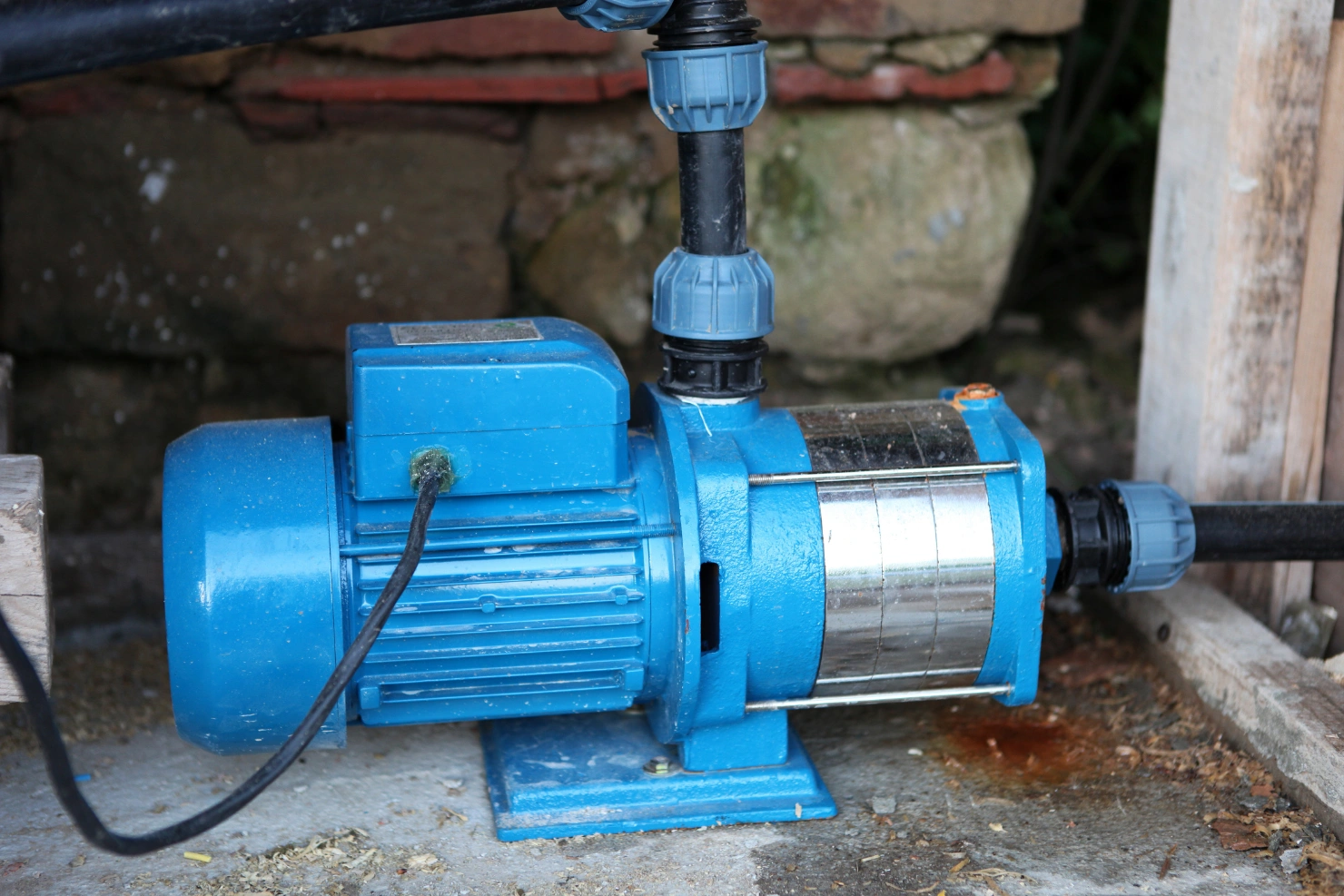
Some circulation issues can wait for scheduled service, but others deserve immediate attention. The deciding factor is usually the potential for equipment damage, electrical hazards, severe water loss, or property damage.
Stop operating the system and arrange professional service if you notice:
- The pump is running dry.
- Water is rapidly leaving the pool.
- A plumbing line is leaking heavily.
- The equipment area is flooding.
- The motor smells burned or appears to be overheating.
- The breaker repeatedly trips when the pump starts.
- Circulation stops completely during conditions that require active filtration.
Electrical problems around pool equipment should never be treated as routine DIY troubleshooting. Turn the equipment off and have the system evaluated by a qualified professional.
Repair Versus Replacement For A Failing Pool Pump
A circulation problem does not automatically mean you need a new pump. The right solution depends on which component failed, the pump’s condition, parts availability, and the cost of restoring reliable operation.
A professional inspection can separate relatively minor flow restrictions from more significant mechanical failures.
Repair May Work
Repair may be practical when the main pump is still in good condition and the problem is limited to a replaceable component. Examples can include certain seals, O-rings, clogged impellers, or other serviceable parts.
The repair should also address the cause of the circulation problem rather than simply getting the pump running again temporarily.
Replacement May Fit
Replacement may become more practical when the pump has severe motor damage, a damaged housing, repeated failures, or multiple worn components.
Older pumps can also be evaluated against modern replacement options. The goal should be dependable circulation that matches the pool’s plumbing, filtration needs, and required flow.
Preventing Future Pool Circulation Problems
Routine maintenance can prevent many circulation problems from becoming urgent repairs. Small changes in flow, pressure, sound, or water clarity should be investigated before they become severe.
Homeowners can reduce the likelihood of circulation problems by keeping the pool water at the correct level, clearing baskets regularly, maintaining the filter, checking equipment for leaks, and paying attention to changes in normal system operation.
A pump that suddenly sounds different or struggles to maintain prime is giving you useful information. Early service can often prevent a simple restriction or leak from placing unnecessary stress on additional components.
Get Your Pool Circulation Restored Quickly
A pool pump can make noise and appear operational while still failing to circulate water correctly. Ignoring weak flow, air in the system, loss of prime, or repeated pressure changes can allow the underlying problem to become more serious.
Residential Pool Service LLC provides emergency pool service for homeowners in Sterling, VA. If your pump is running without proper circulation or your pool equipment suddenly stops working correctly, Contact Us to have the problem professionally diagnosed and repaired.



