Floor Pool Cleaning Systems vs. Robots: Which Is Better for Your Pool?
Floor Pool Cleaning Systems vs. Robots: Which Is Better for Your Pool?
Keeping your pool crystal clear shouldn’t feel like a full-time job—and thanks to modern cleaning technology, it doesn’t have to. Between in-floor pool cleaning systems and robotic cleaners, today’s homeowners have more efficient options than ever. But with both promising convenience and sparkling results,
“How do you know which one truly gives you the best return on investment?“
In this guide, we’ll dive into the pros, cons, and real-world performance of each system so you can choose the smartest, most efficient way to keep your pool spotless all season long.
Key Takeaways

The Rise of Automated Pool Cleaning
From handheld brushes to fully automated systems, pool cleaning has evolved dramatically. Homeowners today value time, energy efficiency, and dependable cleanliness—three factors driving the demand for automation.
Manual cleaning once required hours of skimming and vacuuming every week. Automation changed that completely. Today’s pool owners can rely on advanced systems that clean, circulate, and sanitize water more efficiently than ever before. Among these, in-floor systems and robotic cleaners have become the most discussed options, each offering unique advantages for different pool types.
How In-Floor Pool Cleaning Systems Work
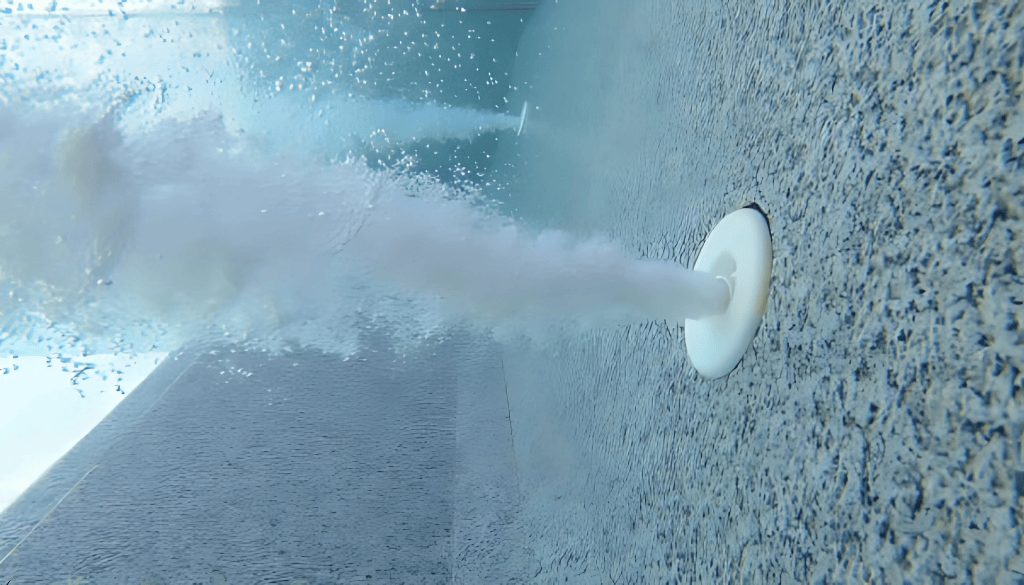
This permanent cleaning network consists of strategically placed nozzles installed along the pool floor and steps. When activated, these nozzles pop up and release pressurized water jets that push debris toward the main drain or skimmer. The system works in cycles, cleaning different pool zones one at a time to ensure full coverage.
Because these jets also enhance water circulation, they distribute heat and chemicals more evenly throughout the pool. The result?
- Fewer “dead zones” with stagnant water
- Reduced chemical usage
- A more balanced, comfortable swimming experience
With fewer moving parts exposed to wear and tear, in-floor systems also offer impressive longevity when maintained by qualified professionals.
How Robotic Pool Cleaners Work
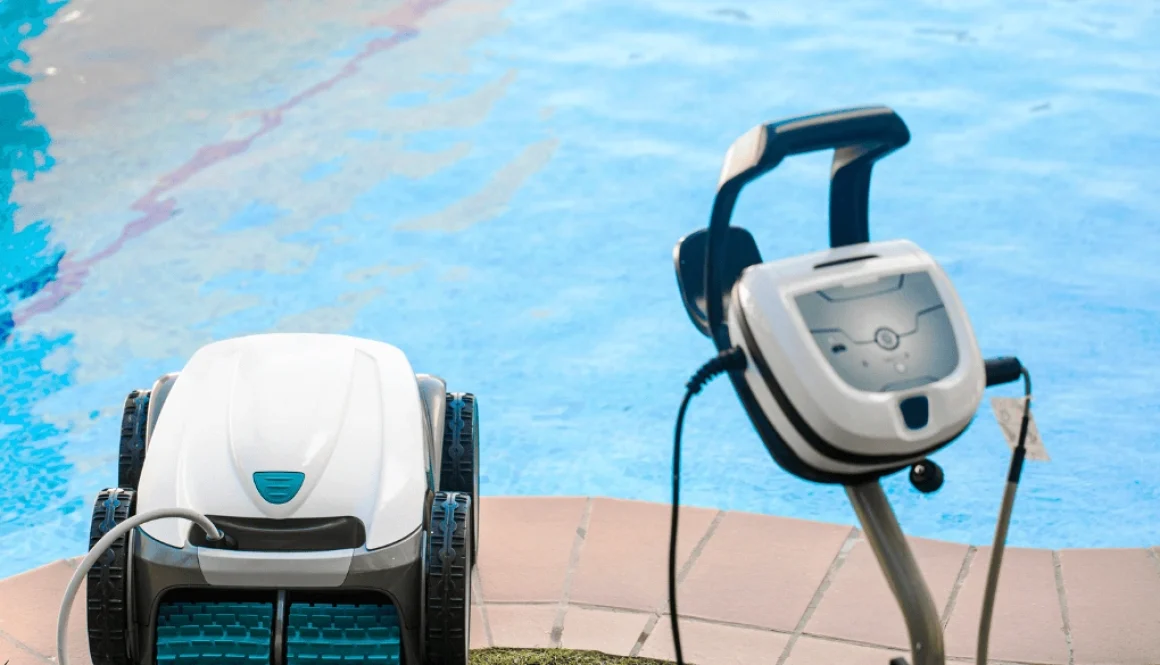
They feature internal motors, rotating brushes, and built-in filtration systems that vacuum debris and scrub surfaces simultaneously. Many newer models use smart navigation technology to map the pool for efficient cleaning patterns. They plug into a power supply and operate using low voltage, making them energy-safe and easy to use.
Robots are especially convenient for quick cleanups or pools without built-in systems. However, because they rely on removable filters and cords, they still need manual handling and regular maintenance—especially during heavy debris seasons like spring or fall. This is particularly true when Pool Algae begins to form, as robotic cleaners may not effectively scrub surfaces or treat the root cause without proper chemical balancing.
Side-by-Side Comparison: In-Floor Systems vs. Robots
While both systems aim to simplify pool care, understanding their technical and practical differences helps homeowners make informed decisions.
| Feature | In-Floor Cleaning System | Robotic Cleaner |
|---|---|---|
| Installation | Built into pool during construction or remodel | External device, plug-and-play setup |
| Cleaning Coverage | Cleans floor, steps, and circulation zones | Cleans floor and walls only |
| Maintenance | Minimal—occasional inspection and nozzle cleaning | Frequent filter emptying and cable untangling |
| Energy Source | Integrated with pool pump system | Separate electrical connection |
| Water Circulation | Excellent—improves heat and chemical balance | Limited—does not aid circulation |
| Initial Cost | Higher upfront investment | Lower initial cost |
| Durability | Long lifespan with professional upkeep | Moderate—parts wear faster |
| Convenience | Fully automatic, invisible operation | Manual placement and removal needed |
Note: In-floor systems deliver seamless, built-in performance, while robotic units offer flexibility but require more attention. The key is aligning the system with your long-term goals and pool design—not just the initial price.
Key Advantages of Each System
Each system shines in different ways, but both rely on proper maintenance and professional oversight to function their best.
Benefits of In-Floor Pool Cleaning Systems
- Fully automated: Once installed, the system works independently through the pool’s daily filtration cycles.
- Improved circulation: Ensures consistent heat and sanitizer distribution, keeping water balanced.
- Long-term savings: Reduced chemical use and less frequent manual cleaning lower ongoing costs.
- Aesthetic appeal: No visible hoses or equipment—just clean, clear water.
Benefits of Robotic Pool Cleaners
- Simple setup: Ideal for existing pools without built-in systems.
- Deep scrubbing power: Brushes remove algae and debris from pool walls and corners.
- Portable and flexible: Can be used for different pools or seasonal cleaning.
- Energy efficient: Operates on low-voltage power for short cycles.
Even though robotic cleaners are convenient, they still depend on manual oversight and routine emptying, meaning they don’t replace professional pool care—they complement it.
Common Misconceptions and Maintenance Insights

Automation simplifies pool ownership, but no system is completely hands-off. Regular professional service ensures reliability and performance.
Myth 1: Automated systems are maintenance-free.
False—both systems need attention. In-floor nozzles can clog with fine debris or calcium buildup, and robotic cleaners require periodic part replacements and filter cleaning.
Myth 2: In-floor systems waste energy.
In reality, they often reduce energy costs. By circulating heated and chemically treated water evenly, the pool requires less run time for pumps and heaters.
Myth 3: Robots can fully replace service technicians.
A machine can remove debris, but it can’t check chemical balance, inspect pump pressure, or detect early signs of wear. That’s why professional maintenance remains essential.
Expert Insights—Which One Is Right for You?
Choosing the right system depends on pool type, budget, and long-term maintenance goals—not just upfront convenience.
- In-floor systems are ideal for new pool constructions, homeowners who want total automation, and those seeking long-term reliability with minimal visible equipment.
- Robotic cleaners suit existing pools or homeowners who prefer portable equipment without structural changes.
However, the most consistent results come from partnering with a professional pool cleaning service. Experts can optimize your system’s programming, inspect hidden components, and maintain ideal chemical levels. This ensures either system delivers its best possible performance year-round.
Why Choose Residential Pool Service, LLC
Residential Pool Service, LLC specializes in automated pool care solutions, including in-floor system installation, nozzle replacement, and advanced water management. Their certified team performs everything from initial inspections to scheduled maintenance, ensuring every system runs efficiently and safely.
With years of experience serving the Sterling and Northern Virginia area, their technicians understand local pool challenges—like seasonal debris, hard water buildup, and fluctuating temperatures—and deliver precise, reliable Pool Tile Cleaning and maintenance solutions for every client.
Final Thoughts
In-floor pool cleaning systems offer discreet, automated performance and excellent water circulation. Robotic cleaners provide flexibility and accessibility for smaller or pre-existing pools. But no matter which you choose, the best pool is one cared for by professionals who know how to maintain balance, safety, and equipment efficiency.
A reliable pool cleaning provider ensures your investment keeps paying off—so you spend less time cleaning and more time swimming.
Ready for a cleaner, low-maintenance pool? Contact Residential Pool Service, LLC today to schedule expert cleaning or install a reliable in-floor system built to last.