Pool Water Feature Maintenance Tips for Clear, Smooth Operation
Pool Water Feature Maintenance Tips for Clear, Smooth Operation
Sparkling water, smooth flow, and that relaxing sound of moving water don’t happen by luck—they’re the result of consistent, smart maintenance. Those waterfalls, fountains, bubblers, jets, and scuppers that make your Sterling, VA pool feel like a resort also add more plumbing, surfaces, and equipment that need attention.
“But how do you keep your pool water features running quietly, cleanly, and without constant breakdowns?”
In this guide, you’ll learn how simple routines, basic inspections, and the right water balance can keep your pool water features looking great and operating smoothly season after season.
Key Takeaways
Why Pool Water Feature Maintenance Matters
Even if your water features look purely decorative, they are part of your overall circulation and filtration system. When they’re well maintained, they help move water, reduce “dead spots” in the pool, and make your backyard feel more relaxing and upscale.
Neglect, on the other hand, can cause clogged lines, noisy pumps, premature equipment failure, and ugly stains on stone or tile. In hard-water areas, mineral deposits can build up quickly on waterfalls, scuppers, and fountains, affecting both appearance and performance. Over time, that means higher repair costs and more downtime for your pool.
Regular maintenance helps:
- Keep water flowing evenly and quietly
- Protect pumps, valves, and plumbing from unnecessary strain
- Prevent algae growth around features where water moves slowly
- Preserve the look of stone, tile, and metal finishes
Know Your Pool Water Features and Equipment
Before you can maintain your water features properly, it helps to understand what you have and how it all works together.
Most residential pools in Sterling, VA use a dedicated pump or a shared system to power water features such as waterfalls, spillways, fountains, bubblers, jets, and scuppers. These are connected by plumbing lines, valves, and fittings that control how much water reaches each feature.
Common types of pool water features include:
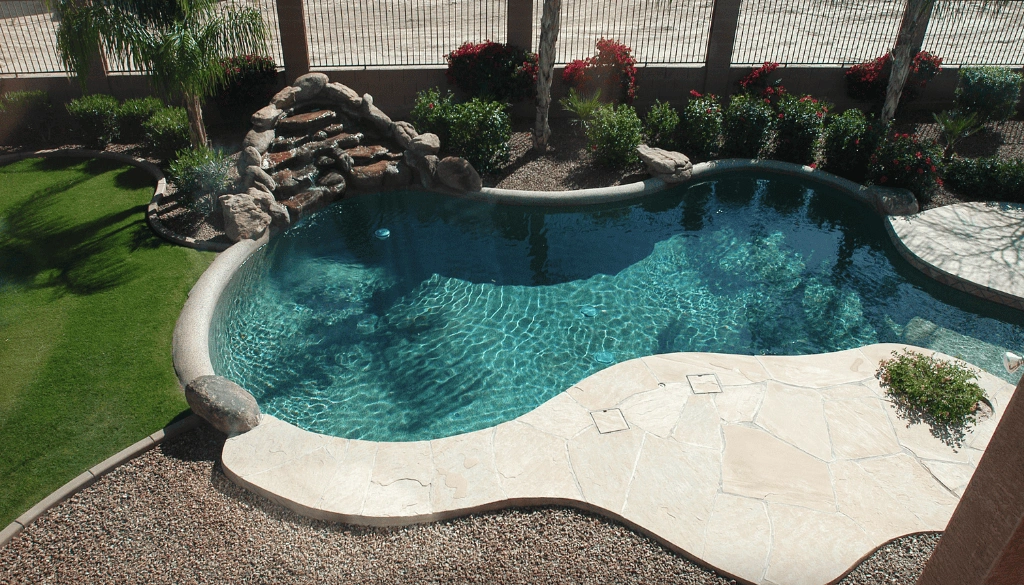
- Waterfalls – Often built with rocks or a weir/spillway, designed to create a natural, relaxing sound.
- Fountains – Vertical or arching streams of water that add a decorative, upscale look.
- Jets/laminar jets – Clean, smooth arcs of water, often combined with lighting for nighttime effect.
- Bubblers – Small jets set into shallow areas or tanning ledges, producing gentle bubbling columns.
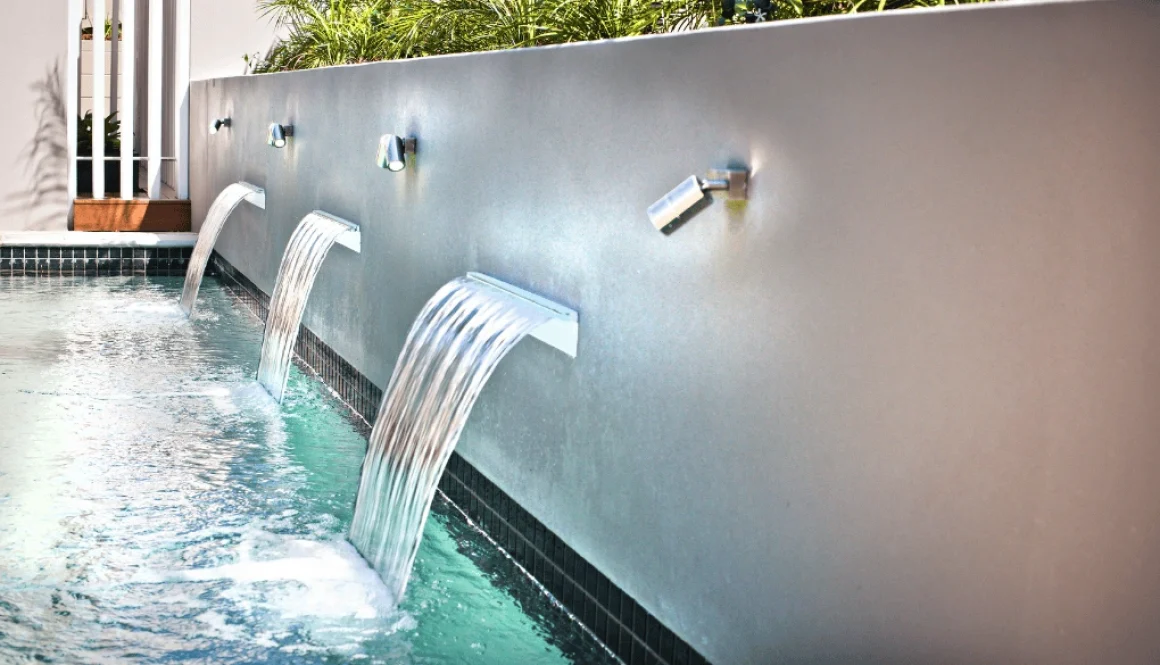
- Scuppers – Openings in a wall or ledge that let water sheet smoothly into the pool.
Each of these features depends on clean water, stable pressure, and well-maintained equipment. If a pump or valve is struggling, you’ll usually see it first in your water features—weak flow, uneven spray, or noisy operation.
Daily, Weekly, and Seasonal Maintenance Checklist
A simple, realistic routine goes a long way. You don’t need to work on your water features every day, but checking them regularly helps you catch small issues early.
Daily / Regular Visual Checks
Look at your water features whenever you’re near the pool. You’re checking for: unusual noise, reduced flow, obvious debris blocking an opening, or water spraying in the wrong direction. If something looks off, it usually is.
Weekly Tasks
Once a week, do a slightly deeper check:
- Inspect skimmer baskets and pump baskets and empty them as needed
- Look at intakes, nozzles, and openings and remove visible debris
- Check water level so the pump doesn’t run dry or suck in air
- Walk around and look for damp spots in landscaping that could hint at a small leak
Monthly and Seasonal Tasks
Once or twice a month during the season, and especially at the beginning and end of the pool season, plan to:
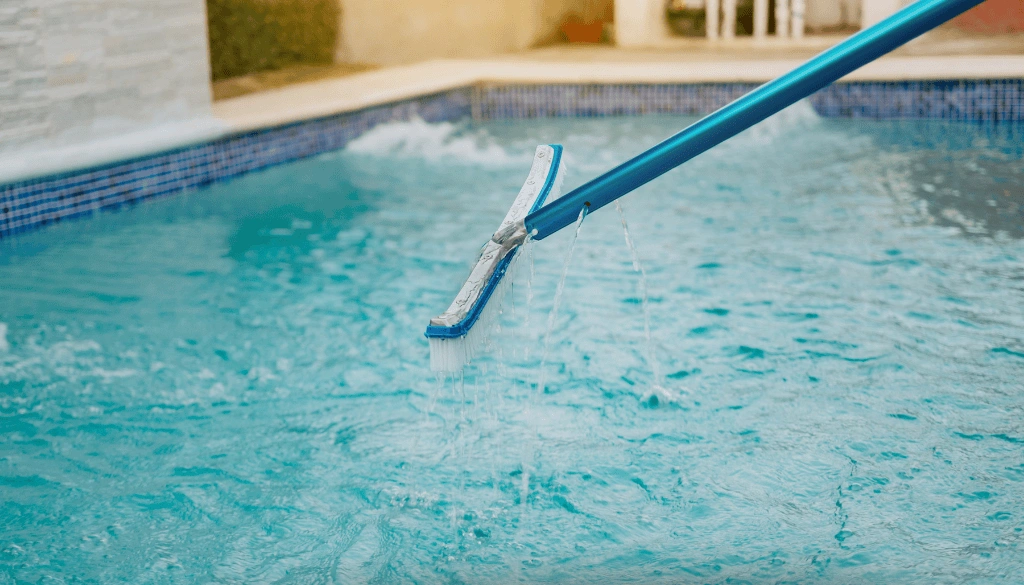
- Rinse or gently scrub scale and dirt from visible feature surfaces
- Backwash or clean filters according to manufacturer guidelines
- Check for drips at unions and fittings while the system is running
- Verify that valves fully open and close without sticking
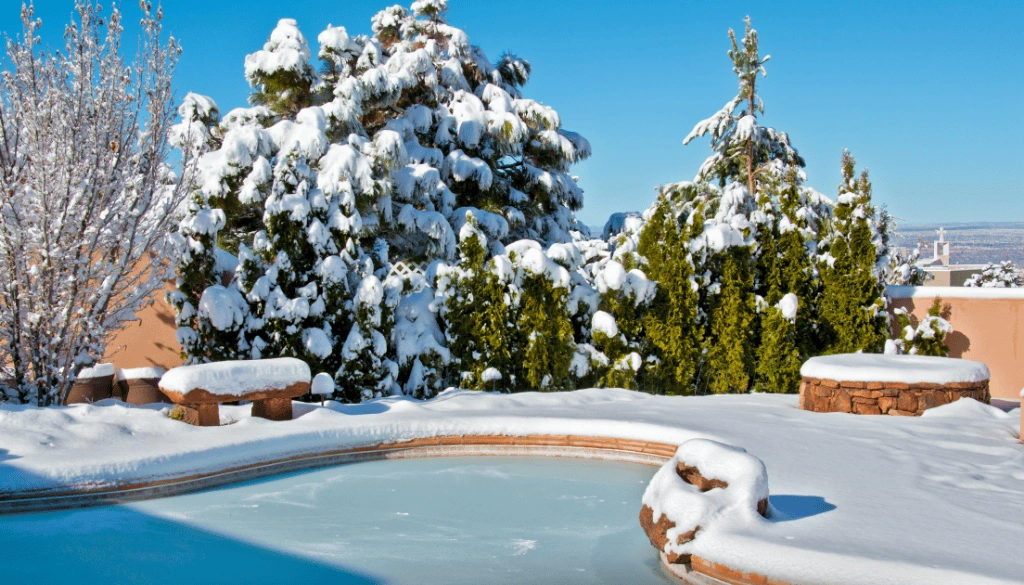
For areas with cold winters, part of seasonal maintenance should include proper winterization—draining lines, blowing out water where needed, and protecting equipment from freezing temperatures.
Feature-Specific Care Tips
Each type of pool water feature has its own maintenance quirks. A small issue in one feature may show up differently in another.
Waterfalls
Natural rock or faux rock waterfalls often collect leaves and fine debris. Over time, this can trap moisture and organic material, encouraging algae and staining. Periodically remove debris, brush slimy areas, and treat stains with cleaner approved for your stone or surface type. Make sure the spillway isn’t obstructed so water flows in a smooth sheet rather than splashing randomly.
Fountains and Jets
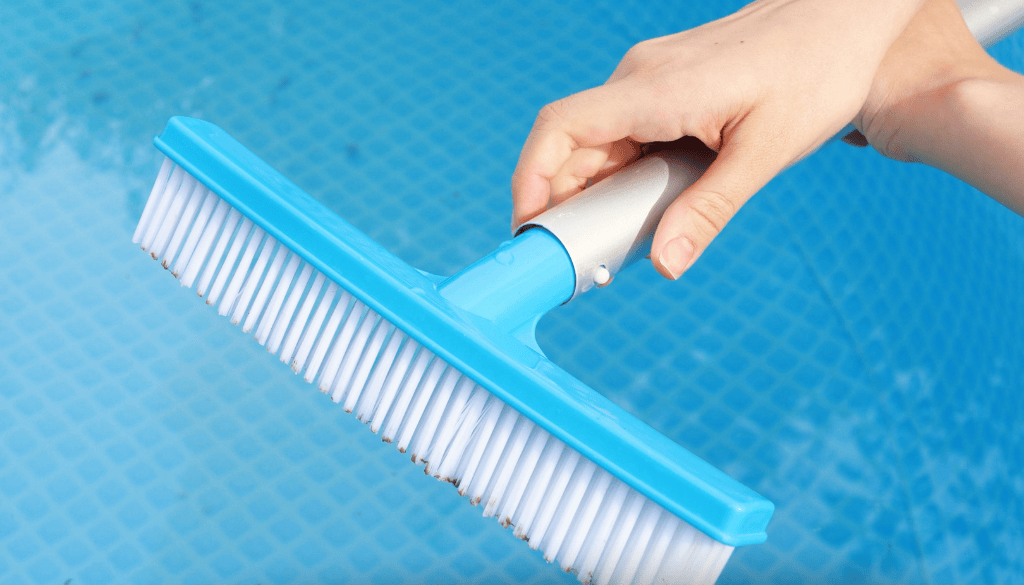
Fountains and jets tend to suffer from clogs and uneven spray when fine debris or mineral deposits build up in nozzles. If you notice crooked streams or weak flow from one jet, turn off the system and inspect the opening. Some nozzles can be carefully removed and cleaned with a soft brush or a mild descaling solution recommended for pool use.
Bubblers
Because bubblers are installed in shallow areas or tanning ledges, they are more sensitive to low water levels and debris. Make sure the water level never drops below the intake, and brush around the openings to prevent algae rings. If a bubbler sputters or blows more air than water, it can be a sign of low water level or air being drawn into the line.
Scuppers
Scuppers work best when they produce a smooth, continuous sheet of water. Mineral buildup, uneven flow, or partial obstructions can break that sheet. Clean the openings gently and keep water chemistry balanced to reduce scale. Watch for staining beneath scuppers; early treatment is easier than trying to remove deep discoloration later.
Water Quality and Chemistry for Trouble-Free Features
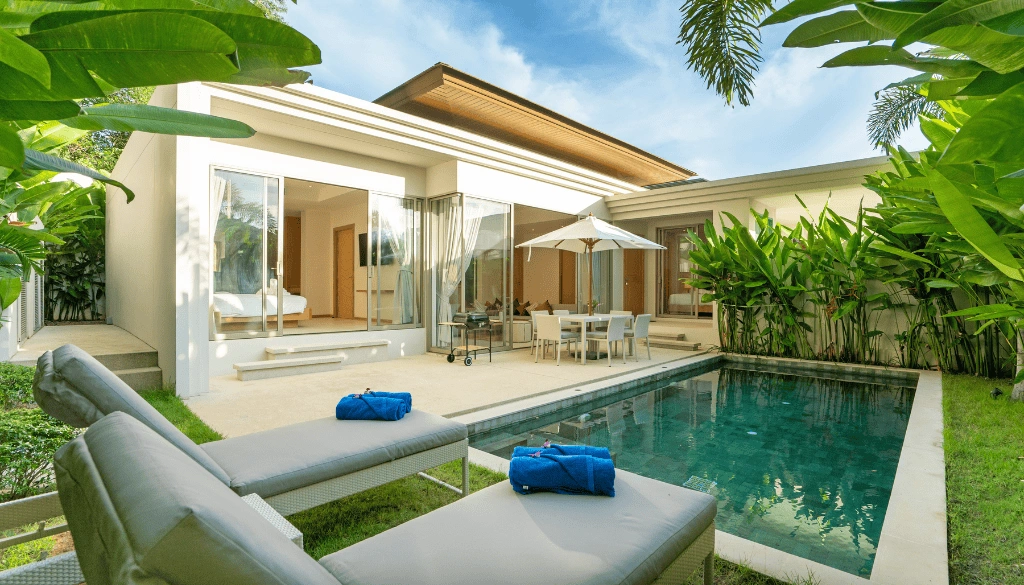
Your water features are only as good as your pool water. Balanced water chemistry is essential for protecting pumps, pipes, and surfaces.
In a typical residential pool, you should aim to keep:
- pH around 7.2–7.8
- Total alkalinity in the 80–120 ppm range (depending on system)
- Calcium hardness in the manufacturer-recommended range for your surface and equipment
- Chlorine or sanitizer in the recommended range for your system and climate
When pH and alkalinity stay in range, you reduce the risk of scale, corrosion, and cloudy water. If calcium hardness is too high, scale builds up faster on waterfalls, scuppers, tile, and metal. If it’s too low, water can become aggressive and slowly damage plaster and grout.
Consistent testing (with a reliable test kit or professional service) and timely adjustments help keep your water features clear and smooth.
Pro Tip: Have your water professionally tested at least a few times each season, even if you test it yourself at home. A second set of eyes and more precise equipment can catch early imbalances that might not show up on basic test strips but can still damage your water features over time.
Preventing Common Problems Before They Start
A proactive mindset saves time and money. Most major issues begin as minor annoyances—noises, small leaks, or slightly weaker water flow.
Early Warning Signs to Watch For
- Unusual pump noises when water features are on
- Air bubbles visible in return lines or feature outlets
- Noticeably weaker or uneven water streams from jets or fountains
- Water splashing where it didn’t before, indicating misaligned flow
- New stains or discoloration forming around waterfalls or scuppers
Addressing these early can prevent bigger issues like pump damage, major leaks, or expensive surface restoration. Sometimes the fix is as simple as cleaning a basket, raising water level, or clearing a clogged opening.
Managing debris is another big factor. Leaves, pollen, and fine dirt can quickly clog small pathways in water features. Regular skimming, trimming nearby plants, and using a good-quality pool cover when the pool isn’t in use all cut down on how much debris enters the system in the first place.
DIY Maintenance vs Professional Service
Many pool owners in Sterling, VA handle basic maintenance themselves and rely on a professional for seasonal checks, water balancing support, and more technical repairs. The right blend of DIY and expert service keeps your system safe and efficient.
Simple tasks like visual inspections, basket cleaning, light brushing, and routine water testing are generally safe for homeowners. You can also often handle minor nozzle cleaning or debris removal from waterfalls and scuppers, as long as you follow manufacturer guidance and avoid harsh tools.
However, electrical work, pump disassembly, major leaks, and plumbing line repairs are better left to a professional. Working on pressurized systems without training can cause further damage or create safety risks.
When It’s Time to Call a Pro
- You hear grinding, screeching, or loud humming from a pump
- A water feature stops completely or flow drops sharply
- You notice recurring air in the lines or persistent low pressure
- There are visible leaks around equipment pads, pipes, or walls
- Scale, staining, or discoloration keeps coming back despite cleaning
A trained technician can quickly diagnose whether the problem is mechanical, chemical, or structural and recommend the best long-term solution.
Sample Maintenance Planning Table
Use this simple reference table to plan your routine. You can adjust the frequency based on how often you use your pool and how many water features you have.
| Maintenance Task | Suggested Frequency | Main Benefit |
|---|---|---|
| Visual check of flow and noise | Every use / weekly | Catch issues early |
| Clean skimmer & pump baskets | Weekly | Prevent clogs and low flow |
| Brush feature surfaces | Weekly–biweekly | Reduce algae and staining |
| Test basic water chemistry | 1–2 times per week | Protect equipment and finishes |
| Inspect nozzles and openings | Monthly | Avoid uneven spray and blockages |
| Deep clean scale on features | As needed / seasonally | Maintain appearance and flow |
| Professional inspection/service | 1–2 times per season | Extend equipment lifespan |
Keeping Your Pool Water Features Running Smoothly
With the right mix of simple checks, good water chemistry, and timely professional help, your pool water features can stay clear, quiet, and reliable for years. It doesn’t require hours of work—just consistent, smart habits.
Walk around your pool regularly, listen for changes, and look closely at waterfalls, fountains, bubblers, jets, and scuppers. Small signs tell you a lot. Combine that with balanced water and occasional expert support, and your backyard in Sterling, VA can feel like a private resort every time you turn on those water features.
Ready to make your pool water features look and perform their best? Residential Pool LLC is here to help with inspections, cleaning, balancing, and reliable repairs. Schedule a visit today and enjoy clear, smooth-running waterfalls, fountains, bubblers, and jets that turn your backyard into a truly relaxing, stress-free escape oasis.