How Often Should You Refill A Chlorine Feeder?
How Often Should You Refill A Chlorine Feeder?
Refilling a chlorine feeder sounds simple, but it’s one of those small routines that can quietly make or break your water quality. If you wait too long, chlorine levels can drop fast—especially during hot weather, heavy swimming, or after a big rain—leading to cloudy water and a higher risk of algae. If you refill too often or load too many tablets, you can swing the other way and end up with chlorine that’s higher than you intended.
“So how often should you refill a chlorine feeder to keep your pool steady without overdoing it?”
The real answer depends on several practical factors, such as feeder size, pump run time, water temperature, and the rate at which your tablets dissolve. In this guide, you’ll learn what’s “normal,” what changes the schedule, and the simple signs that tell you it’s time to refill—before your pool water starts acting up.
Key Takeaways
- Refill timing depends on pool demand.
- Test chlorine to guide refills.
- Heat and swimmers increase consumption.
- Avoid running feeder completely empty.
- Handle tablets safely, never mix.
What “Refill Frequency” Really Means
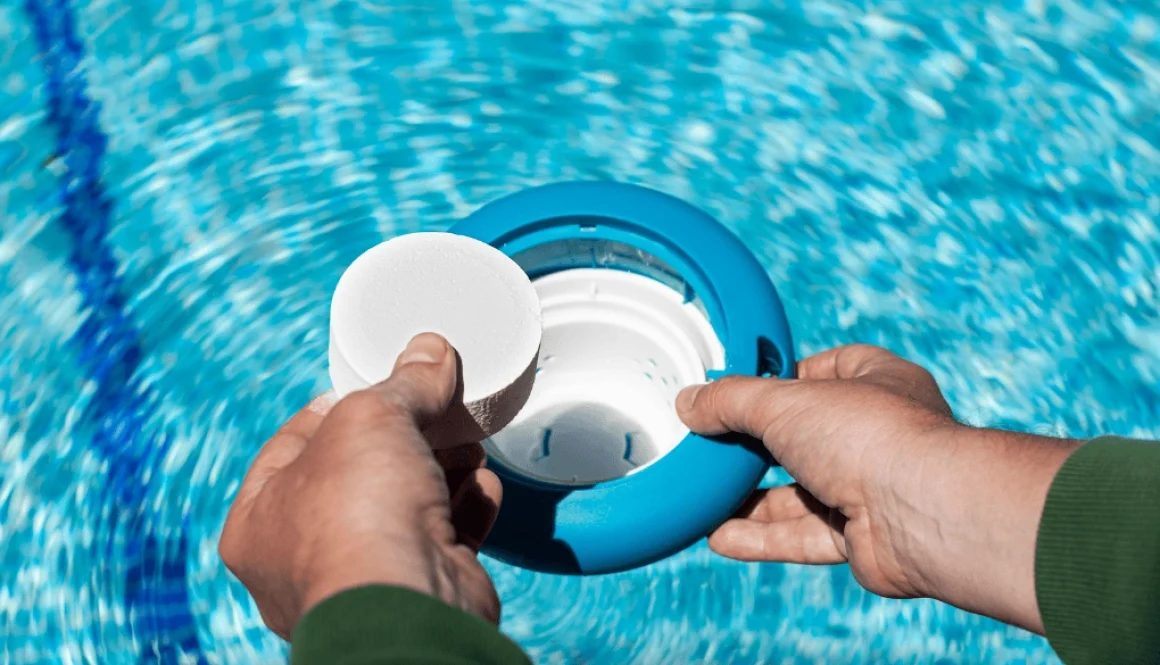
Refill frequency is less about a calendar reminder and more about how fast your system consumes chlorine at your current settings. A feeder doesn’t measure water needs by itself unless it’s a controller-based system; most tablet feeders simply dissolve chlorine tablets at a rate influenced by water flow and the dial setting. That’s why a “full” feeder can still lead to low chlorine if demand rises, and why a half-full feeder might be more than enough during mild weather. The goal is consistent sanitation, not constantly topping off tablets.
A helpful way to think about it is that refilling is only one part of the process. You also have to separate refilling (adding tablets) from adjusting (changing the dial or flow). If chlorine is trending low, adding tablets may not fix the immediate problem if the feeder isn’t dissolving them fast enough. If chlorine is trending high, refilling again won’t help either—your setting, run time, or demand may be the real issue. Testing tells you which lever to pull.
The Typical Refill Range For Most Pools
Most residential pools using 3-inch stabilized tablets in a standard feeder tend to refill on a multi-day cycle, not daily. In practical terms, many homeowners find they’re checking and refilling about once a week, give or take, because tablets dissolve over time and most feeders hold multiple tablets. That said, there isn’t a single “correct” number of days that applies to every pool, because water temperature, sunlight, pump hours, and swimmer load can change chlorine demand dramatically from week to week.
What is consistent is the pattern: refill frequency tightens up in peak summer and loosens in cooler or low-use periods. If you want a “normal” target, aim to build a routine where you inspect the feeder at least weekly and refill before it runs fully empty, because empty feeders can lead to sudden chlorine drop-offs. From there, your testing results should decide whether you need more tablets, fewer tablets, or a different dial setting.
The Big Factors That Change How Fast Tablets Dissolve
The fastest way to predict refill timing is to understand what changes tablet consumption. Tablets don’t dissolve at a fixed rate across all pools, and a feeder can only deliver what conditions allow it to dissolve. Below are the factors that most reliably push refill frequency in one direction or the other, and they’re the same levers you’ll use to “dial in” consistency.
- Water Temperature And Sun Exposure: Warm water and strong sun usually increase chlorine demand, because sunlight breaks down free chlorine over time and swimmers tend to use pools more in warm weather. That combination commonly means tablets disappear faster in summer than in spring or fall, even if you never touch the feeder setting. (This is why a refill routine that worked in May may feel “off” in July.)
- Bather Load And Organic Debris: Every swimmer adds oils, sweat, sunscreen, and contaminants that chlorine must oxidize. Heavy debris loads—pollen, dust, leaves, landscaping runoff, or frequent rain events—also increase what chlorine has to handle. More demand typically means you either refill more often or adjust settings and filtration time to keep free chlorine from drifting low.
- Pump Run Time And Circulation: Tablet feeders dissolve product while water is moving through or past them, so pump hours matter. If you cut pump run time, your feeder may deliver less chlorine per day even if the dial never changes. If you extend run time, tablets may dissolve faster and you may need fewer dial adjustments because delivery becomes steadier across the day.
- Feeder Setting, Tablet Type, And Water Balance: The dial setting controls how much water passes through the feeder chamber, which directly affects dissolution rate. Tablet formulas also matter: stabilized chlorine tablets contain cyanuric acid (stabilizer), so long-term tablet use can raise stabilizer over time, and trichlor is acidic and can influence pH and alkalinity trends. For trichlor specifically, a well-known chemistry relationship is that using it increases cyanuric acid as it chlorinates—about 0.6 ppm of cyanuric acid for each 1 ppm of available chlorine added.
A Simple Way To Estimate Your Refill Schedule
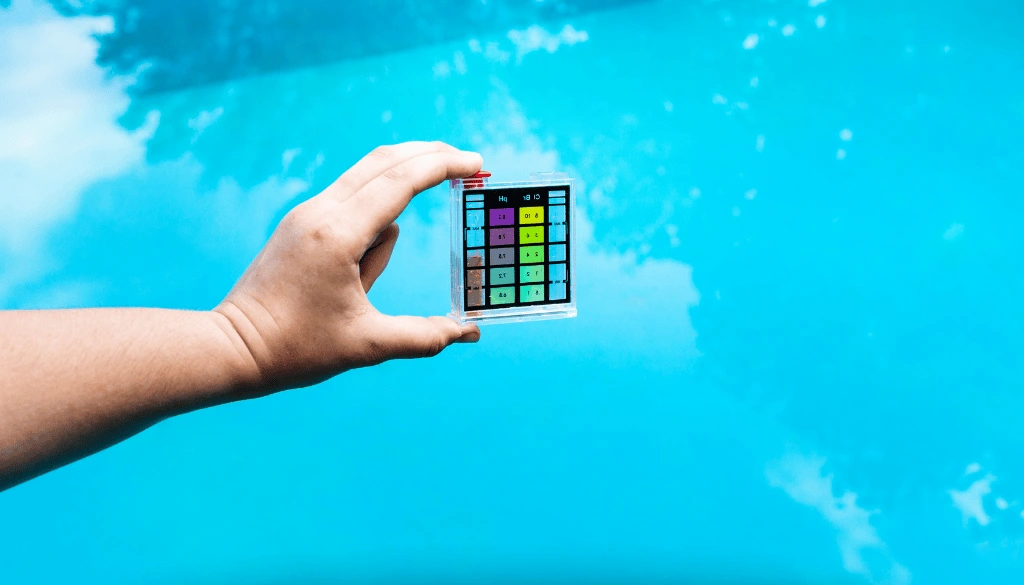
A reliable refill schedule comes from a short “baseline week” where you measure what your pool is actually using. Instead of guessing, you watch free chlorine trends and tablet consumption together, because those two data points tell you whether the feeder is matching demand. This approach is practical for homeowners and doesn’t require special equipment beyond a dependable test kit and a consistent pump schedule.
Start with clean, balanced water and set the feeder to a moderate setting you’ve used before. For the next 5–7 days, test free chlorine at about the same time each day, and briefly check tablet level in the feeder without changing anything unless chlorine drifts out of your target. At the end of the week, you’ll know two things: (1) whether chlorine stayed stable, and (2) how many tablets you used. That becomes your baseline, and you can repeat the same logic whenever weather or usage changes.
Here’s a quick reference table you can use to adjust your expectations without relying on a one-size-fits-all number:
| What Changes | What You’ll Usually Notice | What It Means For Refilling |
|---|---|---|
| Hotter Weather / More Sun | Chlorine drops faster between tests | Refill sooner or adjust delivery |
| More Swimmers / More Debris | Chlorine demand spikes, water dulls | Expect faster tablet use |
| Longer Pump Run Time | Tablets dissolve more consistently | You may refill a bit more often |
| Higher Feeder Setting | Tablets shrink faster | Shorter time between refills |
| Rising Stabilizer (CYA) From Tablets | Harder to maintain “effective” chlorine | Reassess tablet-heavy approach |
The Best Time To Check And Refill Your Chlorine Feeder
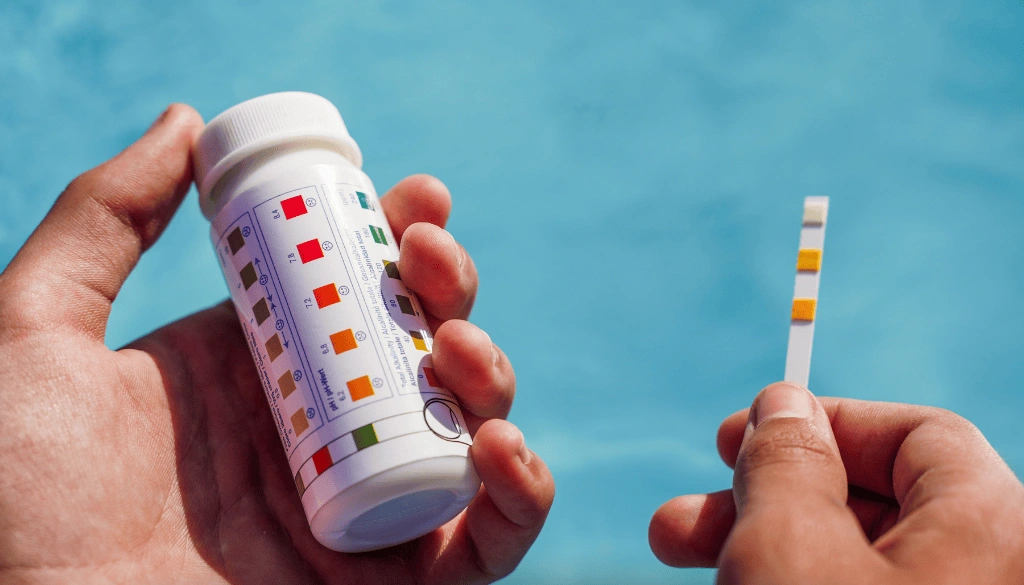
Checking and refilling at a consistent time makes your results easier to interpret. The “best” time is when your pool has been circulating normally, and you’re not measuring right after a major chemical correction that temporarily skews readings. If you test at random times, you can misread a normal daily swing as a problem and end up chasing your tail by constantly changing the feeder setting.
A simple routine that works for many homeowners is: pick one or two days per week as your “feeder check days,” test free chlorine first, then check tablet level, then decide whether you need to refill or adjust. Refill decisions should follow test results, not the other way around. If chlorine is stable and the feeder still has tablets, you may not need to refill yet. If chlorine is drifting down and tablets are nearly gone, refill and consider a small setting change.
Signs Your Chlorine Feeder Needs A Refill Soon
Your pool usually gives you early warning before things get ugly, as long as you know what to look for. The most reliable indicator is not water smell or “how it looks today,” but a trend in free chlorine testing paired with what you see inside the feeder. When those two line up, you can refill before chlorine falls into the range where algae and cloudiness can take off.
Look for patterns like free chlorine gradually dropping day over day, tablets shrinking to small pieces that dissolve unpredictably, or the feeder approaching empty right before your next planned check. If you notice water losing sparkle, surfaces feeling slightly slick, or the pool looking dull even when the filter is running, treat that as a prompt to test and inspect—not as proof you need to dump in more tablets. A feeder is a delivery tool; your test results tell you whether delivery is sufficient.
When Refilling More Often Is A Bad Sign
Sometimes frequent refills aren’t “normal summer,” they’re a symptom. If you suddenly go from a steady routine to burning through tablets, it’s smart to assume something changed in demand or in the plumbing conditions that control dissolution. That’s especially true if chlorine still tests low even though you’re refilling constantly, because the pool is telling you chlorine is being consumed faster than it’s being delivered.
Common culprits include early-stage algae (which can consume chlorine before you see green water), heavy contamination after storms, restricted circulation, or feeder problems like partial clogs and poor flow. It can also be a chemistry issue: stabilized tablet use increases cyanuric acid over time, and higher cyanuric acid changes how much free chlorine you need to stay effectively sanitized. That stabilizer rise is a known consequence of trichlor use, so if your “refill frequency” keeps climbing month after month, it’s worth testing stabilizer and reviewing your long-term sanitation plan.
Pro Tip: Instead of asking, “Is it time yet?” treat tablets like fuel and track how quickly your feeder uses a known amount under normal conditions. Mark your feeder check day on your calendar, then record how many tablets you add and how many remain at the next check. After two or three cycles, you’ll know your pool’s “tablet burn rate” during that part of the season, and you can refill before the feeder runs dry.
Safety Rules When Opening And Refilling A Chlorine Feeder
A chlorine feeder is convenient, but it still contains concentrated, reactive chemicals. The biggest safety rules are about preventing exposure to fumes, preventing chemical contact with skin and eyes, and avoiding dangerous reactions caused by contamination or mixing products. Public health and pesticide safety guidance consistently warns against mixing chemicals and stresses using appropriate protective equipment when handling pool chemicals.
Before opening a feeder, shut the system down so you’re not opening a pressurized vessel and so water doesn’t surge through while the lid is off. Keep your face away from the opening as you crack the lid, because concentrated sanitizer fumes can be irritating. Never add different sanitizers into the same feeder, never use wet hands or a dirty scoop, and never allow acids or incompatible products to contact chlorine products—those combinations can create toxic gases or violent reactions.
Conclusion
A good rule of thumb is to check your feeder weekly, but let testing and tablet consumption determine how often you actually refill. The “right” schedule changes with weather, swimmer load, pump run time, and feeder settings, so your best path is a repeatable routine: test, inspect, refill before empty, and make small setting changes only when the numbers support it.
If you need help dialling in your feeder, improving consistency, or creating a seasonal maintenance plan that avoids chlorine swings, contact Residential Pool Services LLC to schedule a pool water and equipment check.